


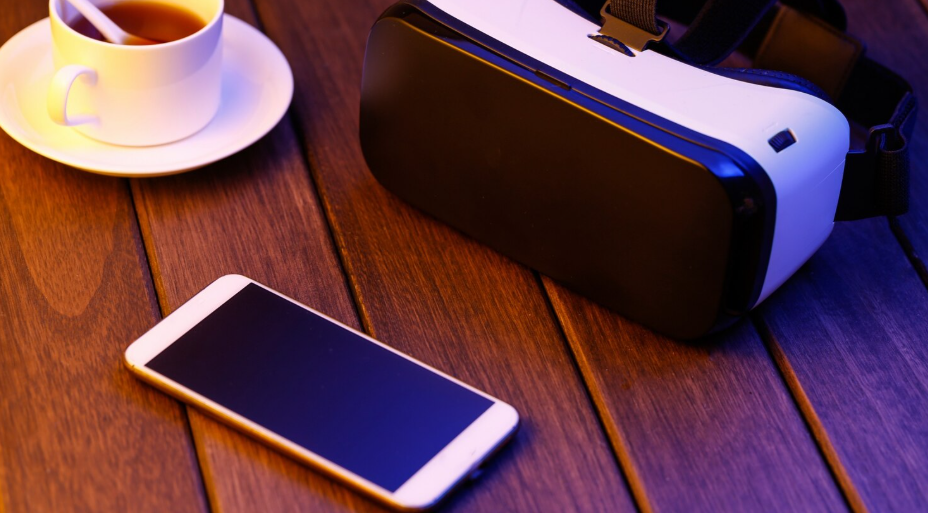
A young man is seen squinting, zooming, and rotating his phone toward a station map on a packed commuter train. The routine is the same: take out the device, finish the task, put the device back in your pocket. Apple seems certain that this small dance is only a passing phase, a clumsy transition from the era of screens to something more subdued. The idea that the next interface won’t be held in the hand is suggested by its reported push into smart glasses, AirPods with cameras, and even a pendant. They’ll wear it.
The company’s strategy, which should be implemented by 2027, depends on integrating cameras and microphones into commonplace accessories. The concept is simple but ambitious: Siri will learn context and react to what users are looking at in addition to voice commands. Asking “What is this building?” while looking up might finally result in a response that feels real rather than robotic. As this develops, it appears that Apple is more concerned with reducing friction than with innovation.
| Category | Details |
|---|---|
| Company | Apple Inc. |
| Initiative | AI-powered wearables (smart glasses, AI pendant, camera-equipped AirPods) |
| Expected Launch | Around 2027 |
| Core Function | Visual AI integration with Siri and iPhone ecosystem |
| Main Competitor | Meta Platforms smart glasses ecosystem |
| Strategic Goal | Shift user interaction from screens to ambient interfaces |
| Development Insight | Reported by Mark Gurman (Bloomberg) |
| Reference | https://www.bloomberg.com |
It is anticipated that Apple’s smart glasses will look like regular eyewear rather than the clunky futuristic design that plagued previous attempts. According to reports, early prototypes tried using off-the-shelf frames before switching to in-house designs, indicating that Apple realized that comfort and style are more important than futuristic flair. People don’t want to appear like beta testers outside of tech campuses. With its partnership with Ray-Ban, Meta recognized this and sold millions of AI-enabled glasses that fit in with everyday life. Apple’s tardiness suggests caution rather than hesitancy.
Perception, rather than photography, may be the true trick of the glasses. Siri could receive environmental data from cameras and sensors, allowing for text translation, object recognition, and navigation cues based on landmarks rather than screen arrows. The potential for accessibility tools, such as reading signs aloud, describing obstacles, and identifying products, feels tangible in a way that previous wearable promises did not. However, it is still unclear whether users will trust a device that continuously monitors their surroundings.
Apple seems to have options if glasses feel too noticeable. The idea for the pendant, which is internally referred to as the iPhone’s “eyes and ears,” is reminiscent of the unsuccessful Humane AI Pin but avoids its most serious drawback: it replaces the smartphone. Rather, the pendant would function as a sensor node, processing data via the iPhone. Although it may seem like a small distinction, it embodies Apple’s long-held belief that the ecosystem should be expanded rather than destroyed. It appears that investors think this incremental approach lowers risk.
Then there are AirPods with cameras, which is possibly the most unexpected concept. Apple has already transformed earbuds into voice interfaces, motion trackers, and health monitors. By including visual sensing, they venture into uncharted territory. Despite the harsh technical limitations (battery life, heat, and comfort), Apple has spent decades reducing complicated systems to unachievably tiny sizes. It’s difficult to overlook how frequently the company’s most daring changes start with what appears to be a small hardware adjustment.
The pressure to compete is genuine. While OpenAI is investigating new AI-first devices in collaboration with former Apple design chief Jony Ive, Meta is still improving its smart glasses. Apple’s Vision Pro headset, on the other hand, reminded observers that affordability and usefulness are still important despite its ambitious cinematic design. You should be able to forget you’re wearing smart glasses because they should feel normal. Anything less runs the risk of being just another device that people occasionally show off to friends before putting away.
The iPod came after MP3 players, the iPhone after smartphones, and the Apple Watch after fitness trackers. Historically, Apple has prospered by entering markets late and improving the user experience. That pattern is reflected in the multi-device strategy. Some individuals will never wear spectacles. A pendant will be resisted by others. However, millions of people already use AirPods every day, making them a natural starting point for visual AI.
There’s also the more profound query: what happens if gadgets start silently watching the world with us instead of waiting to be consulted? Convenience is promised by a wearable interface, but it also brings up issues of privacy, manners, and the psychology of continual help. Would people act differently in a café if they knew that their tablemate’s glasses might be translating conversations, examining menus, or recording moments?
This change may feel more incremental than revolutionary. Asking Siri to recognize a plant eventually becomes second nature. Another day, rather than glowing arrows, navigation cues come in the form of spoken hints. The phone’s role is becoming smaller but not going away; it stays in the pocket more frequently. The user interface blends in with the surroundings.
Apple’s bet appears to be straightforward: computing will become ambient, perceptive, and contextually aware, and the gadgets that make it possible must feel more like bodily extensions than tools. It’s unclear if users will accept that intimacy. However, as the business moves closer to a future in which technology sees us, it seems as though the dominance of the screen is being subtly—almost courteously—renegotiated.


Follow Live Media News on Google News
Get Live Media News headlines in your feed — and add Live Media News as a preferred source in Google Search.
Stay updated
Follow Live Media News in Google News for faster access to breaking coverage, reporting, and analysis.
- Search any trending topic on Google (for example: Greece news).
- On the results page, find the Top stories section.
- Tap Preferred sources and select Live Media News.