


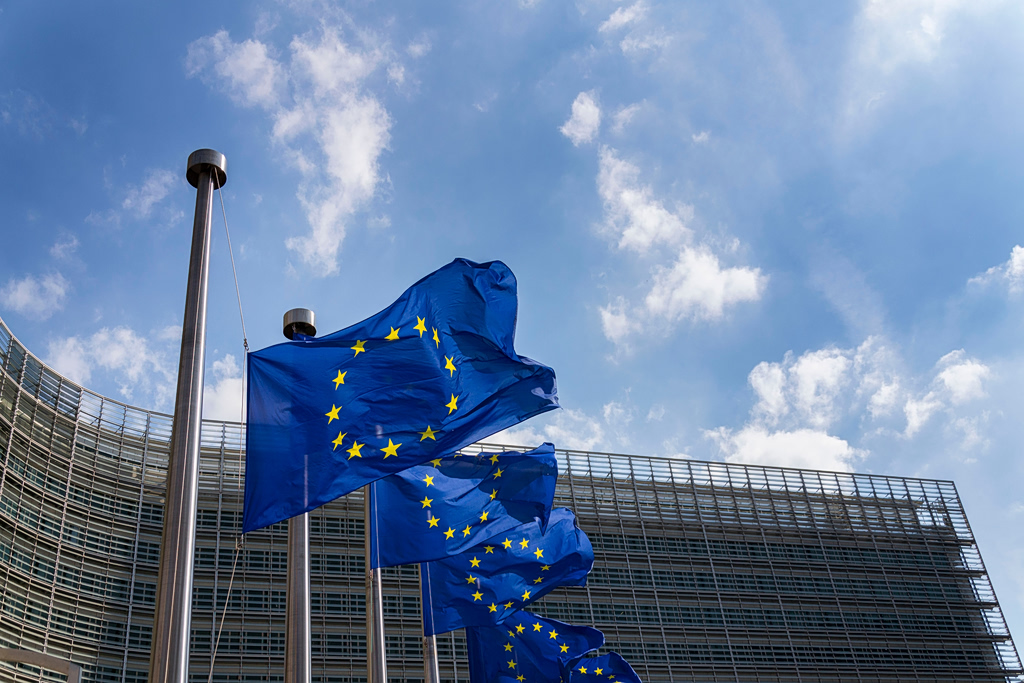
The European Union is set to introduce new public procurement rules that will prioritize EU-manufactured and low-carbon goods, European Commission President Ursula von der Leyen announced on Wednesday. The announcement marks a significant shift in how public funds are allocated across the bloc, with the aim of bolstering domestic industry and reducing reliance on foreign suppliers.
Speaking in Antwerp, von der Leyen explained that the new requirements are designed to ensure public buyers support European companies more effectively. The initiative will be incorporated into the Industrial Accelerator Act, which the European Commission plans to present later this month.
Addressing Subsidized Foreign Competition
According to von der Leyen, current procurement practices often result in public buyers selecting subsidized foreign products over high-quality European alternatives. She emphasized that this represents a missed opportunity for supporting home-grown value and strengthening the European industrial base.
The new EU procurement rules are expected to establish clear standards that favor domestically produced goods and products meeting specific environmental criteria. This dual focus addresses both economic competitiveness and climate objectives, aligning with the EU’s broader sustainability goals.
Industrial Accelerator Act Framework
The forthcoming Industrial Accelerator Act will serve as the legislative framework for implementing these procurement changes across member states. The initiative is part of a broader strategy to reshape how public contracts are awarded throughout the European Union.
By setting standards that prioritize EU-made products and low-carbon alternatives, the Commission aims to create a more level playing field for European manufacturers. However, the specific criteria and implementation timeline have not yet been fully detailed by EU authorities.
Strengthening European Industry Through Public Procurement
The announcement reflects growing concerns within the EU about industrial competitiveness in the face of heavily subsidized foreign competition. Public procurement represents a significant portion of economic activity across member states, making it a powerful tool for supporting domestic industry.
Additionally, the focus on low-carbon goods aligns with the EU’s ambitious climate targets and Green Deal objectives. By leveraging public spending to favor environmentally friendly products, the Commission seeks to accelerate the transition to a more sustainable economy.
Balancing Protectionism and Open Markets
Meanwhile, critics may raise questions about whether such measures comply with international trade rules and World Trade Organization commitments. The European Commission has not yet clarified how the new procurement requirements will be structured to avoid potential conflicts with existing trade agreements.
The initiative also raises questions about implementation across diverse member states with varying industrial capabilities and procurement systems. Authorities have not confirmed specific mechanisms for ensuring consistent application of the new standards throughout the bloc.
Economic and Environmental Implications
In contrast to previous procurement practices that primarily emphasized cost considerations, the new approach introduces additional criteria related to origin and carbon footprint. This represents a fundamental shift in how public value is defined and measured in EU procurement decisions.
European manufacturers in sectors such as clean technology, renewable energy equipment, and sustainable materials may benefit significantly from the new public procurement rules. The policy could provide a competitive advantage for companies already investing in low-carbon production methods.
The European Commission is expected to present detailed proposals within the Industrial Accelerator Act later this month, at which point the specific requirements and implementation timeline will become clearer. Member states will likely need to adapt their national procurement frameworks to align with the new EU-wide standards, though the exact process and deadlines remain to be announced.

Follow Live Media News on Google News
Get Live Media News headlines in your feed — and add Live Media News as a preferred source in Google Search.
Stay updated
Follow Live Media News in Google News for faster access to breaking coverage, reporting, and analysis.
- Search any trending topic on Google (for example: Greece news).
- On the results page, find the Top stories section.
- Tap Preferred sources and select Live Media News.