


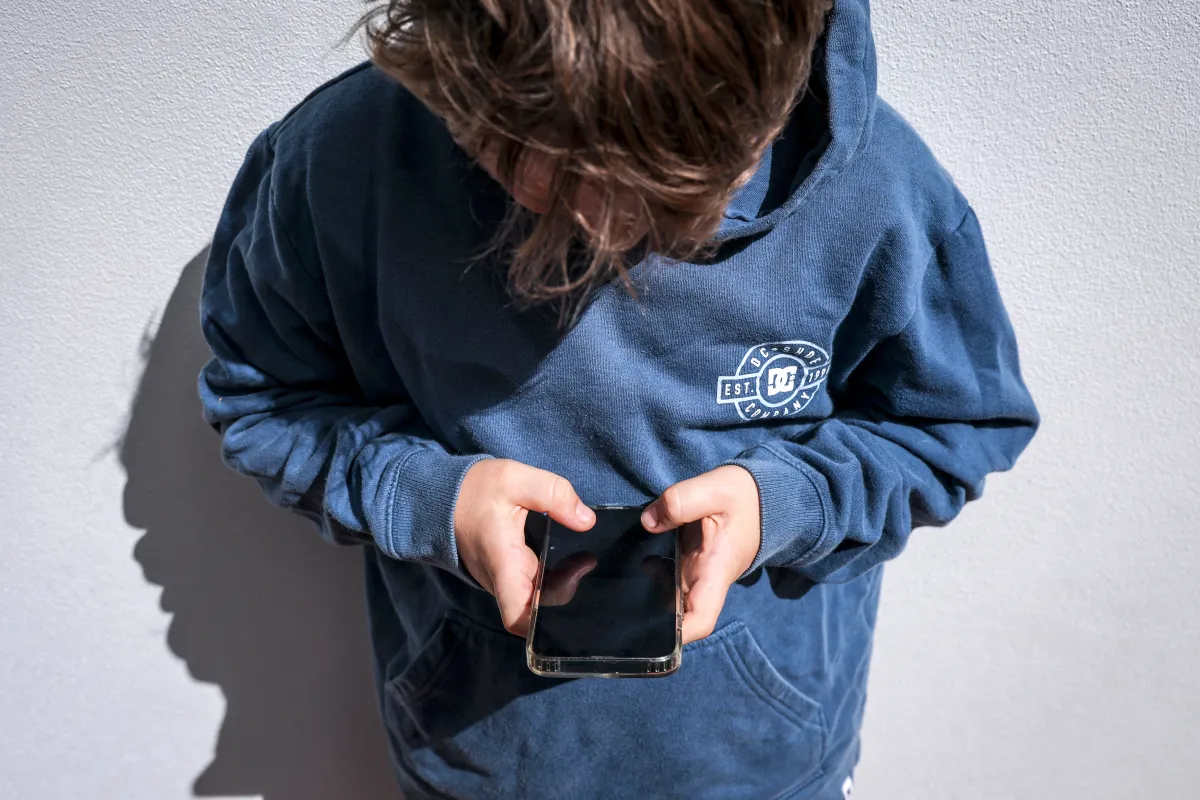
Countries around the world are implementing social media bans for children and teens in an effort to protect young users from online risks. Australia became the first country to enforce such a ban in December 2025, prohibiting children under 16 from accessing major platforms. This landmark decision has prompted several other nations to introduce similar legislation or proposals aimed at restricting youth access to social media.
The movement to ban social media for children spans multiple continents, with countries including France, Spain, Denmark, and Indonesia announcing plans to implement age restrictions. According to various government officials, these measures target platforms such as TikTok, Instagram, Facebook, Snapchat, and YouTube. The proposed bans typically affect users under 15 or 16 years old, depending on the country.
Reasons Behind Social Media Bans for Youth
Governments cite concerns about cyberbullying, addiction, mental health issues, and exposure to predators as primary reasons for implementing social media bans. The regulations aim to reduce the pressures young users face online and provide greater protection during critical developmental years. Additionally, authorities argue that social media companies have not done enough to safeguard minors on their platforms.
However, the approach has drawn criticism from digital rights organizations. Amnesty Tech has described such bans as ineffective quick fixes that ignore the realities of younger generations. Critics also raise concerns about privacy implications related to invasive age verification methods and excessive government intervention in digital access.
Australia Leads Global Social Media Restrictions
Australia’s ban covers Facebook, Instagram, Snapchat, Threads, TikTok, X, YouTube, Reddit, Twitch, and Kick, while exempting WhatsApp and YouTube Kids. The Australian government has said social media companies must use multiple verification methods rather than relying on self-reported ages. Companies that fail to comply face penalties of up to 49.5 million AUD, equivalent to 34.4 million USD.
The government emphasizes that platforms bear responsibility for keeping children off their services. This approach places enforcement burden on companies rather than parents or users, setting a precedent other countries are studying closely.
European Nations Moving Forward
France passed a bill in late January that would ban social media for children under 15, with President Emmanuel Macron supporting the measure to protect children from excessive screen time. The bill still requires Senate approval and a final vote in the lower house before becoming law.
Meanwhile, Denmark secured parliamentary support in November 2025 for a ban affecting children under 15. According to the Associated Press, the Danish government could implement these plans by mid-2026. The country is also launching a digital evidence app featuring age verification tools to support enforcement.
Spain’s prime minister announced in early February that the country plans to ban social media for children under 16. The Spanish government is additionally seeking to hold social media executives personally accountable for hate speech on their platforms, though both measures still require parliamentary approval.
Other Countries Considering Restrictions
In early February, Germany’s Chancellor Friedrich Merz discussed a proposal to bar children under 16 from using social media, Reuters reported. However, his center-left coalition partners showed hesitation about supporting an outright ban, indicating potential political challenges.
Greece is reportedly close to announcing a social media ban for children under 15, according to Reuters. Slovenia is drafting legislation to prohibit children under 15 from accessing platforms such as TikTok, Snapchat, and Instagram, the country’s deputy prime minister announced.
Asia-Pacific Region Joins Movement
Indonesia said in early March that it plans to ban children under 16 from using social media and other online platforms. The country intends to start with platforms including YouTube, TikTok, Facebook, Instagram, Threads, X, Bigo Live, and Roblox.
The Malaysian government announced in November 2025 that it plans to implement a social media ban for children under 16 this year. Meanwhile, the United Kingdom is weighing a similar ban and says it will consult parents, young people, and civil society before making a final decision.
Implementation timelines vary across countries, with some nations targeting mid-2026 for enforcement while others remain in consultation phases. Authorities have not confirmed specific age verification technologies or enforcement mechanisms in many cases, leaving significant details about these social media bans yet to be determined.

Follow Live Media News on Google News
Get Live Media News headlines in your feed — and add Live Media News as a preferred source in Google Search.
Stay updated
Follow Live Media News in Google News for faster access to breaking coverage, reporting, and analysis.
- Search any trending topic on Google (for example: Greece news).
- On the results page, find the Top stories section.
- Tap Preferred sources and select Live Media News.