


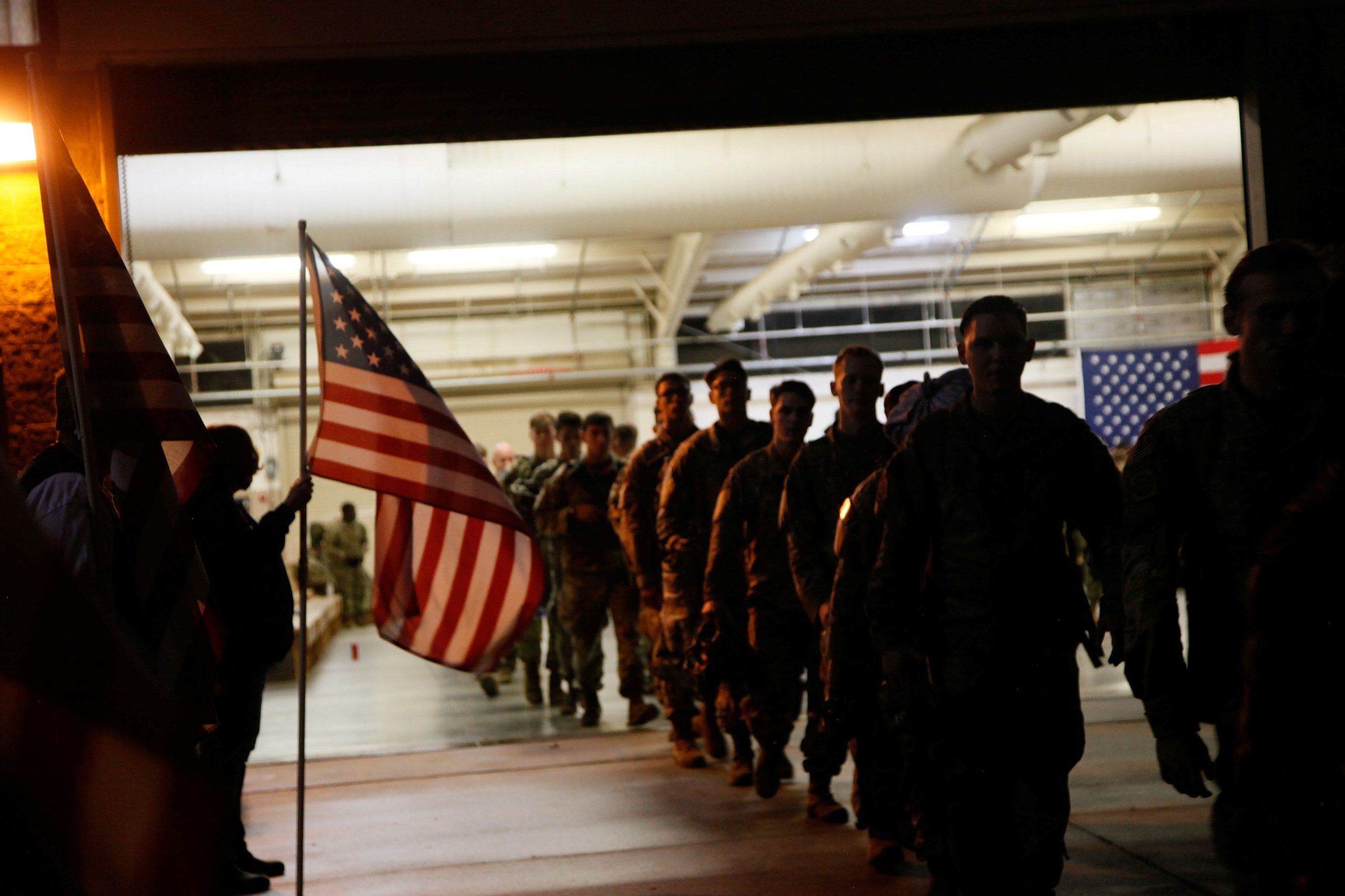
President Donald Trump and First Lady Melania Trump are scheduled to meet with special forces troops who participated in the controversial capture of Venezuelan leader Nicolas Maduro at Fort Bragg. The visit comes in recognition of the military personnel involved in Operation Absolute Resolve, which resulted in Maduro’s capture in Caracas on the night of January 3rd, 2026. The operation to capture Nicolas Maduro has sparked international debate over sovereignty and military intervention.
According to Venezuelan officials, the military operation resulted in 83 deaths and left 112 people injured during the assault, which included US bombing raids on the Venezuelan capital. No American personnel were killed during the operation, according to reports. Maduro and his wife, Cilia Flores, were both detained during the night raid and subsequently transported to the United States.
Details of Operation Absolute Resolve
White House Press Secretary Karoline Leavitt announced the presidential visit, stating that Trump and the First Lady would “meet with military families and the heroic members of our special forces who carried out the successful ‘Operation Absolute Resolve’ in Venezuela and helped bring narco-terrorist Nicolas Maduro to justice.” The operation represented a significant escalation in US-Venezuela relations, which have been strained for years over political and economic disputes.
The special forces troops currently based at Fort Bragg executed the complex military operation that involved coordinated strikes and ground operations in the Venezuelan capital. However, the circumstances surrounding the planning and authorization of the raid have not been fully disclosed by US officials.
Legal Proceedings Against Maduro
Nicolas Maduro remains detained in the United States and faces serious criminal charges including drug trafficking and other crimes. The former Venezuelan leader has entered a not guilty plea to all charges brought against him. Additionally, his wife Cilia Flores is also being held in US custody, though specific charges against her have not been detailed in official statements.
Meanwhile, the legal case has drawn attention from international human rights organizations and foreign governments questioning the legality of the military operation. The detention of a sitting head of state through a foreign military operation on sovereign soil represents an unprecedented move in recent international relations.
International Response and Domestic Reactions
In Venezuela, protests have erupted demanding the release of Maduro and his wife following what demonstrators call an illegal capture by US forces. Reports indicate that rallies have been held in multiple Venezuelan cities, with supporters holding portraits of the detained president and calling for international intervention.
In contrast, US officials have characterized the operation as a necessary action against what they describe as a narco-terrorist regime. The Trump administration has maintained that the operation was justified based on national security concerns and the fight against drug trafficking networks allegedly operating from Venezuela.
The humanitarian cost of Operation Absolute Resolve has raised questions about proportionality and civilian casualties. According to Venezuelan officials, the bombing raids on Caracas resulted in significant casualties, though independent verification of these figures has not been possible.
Maduro’s next court appearance is scheduled for March 17th in New York, where the legal proceedings are expected to continue. The outcome of this hearing could determine the trajectory of both the legal case and diplomatic relations between the United States and Venezuela, though the long-term implications remain uncertain.

Follow Live Media News on Google News
Get Live Media News headlines in your feed — and add Live Media News as a preferred source in Google Search.
Stay updated
Follow Live Media News in Google News for faster access to breaking coverage, reporting, and analysis.
- Search any trending topic on Google (for example: Greece news).
- On the results page, find the Top stories section.
- Tap Preferred sources and select Live Media News.