


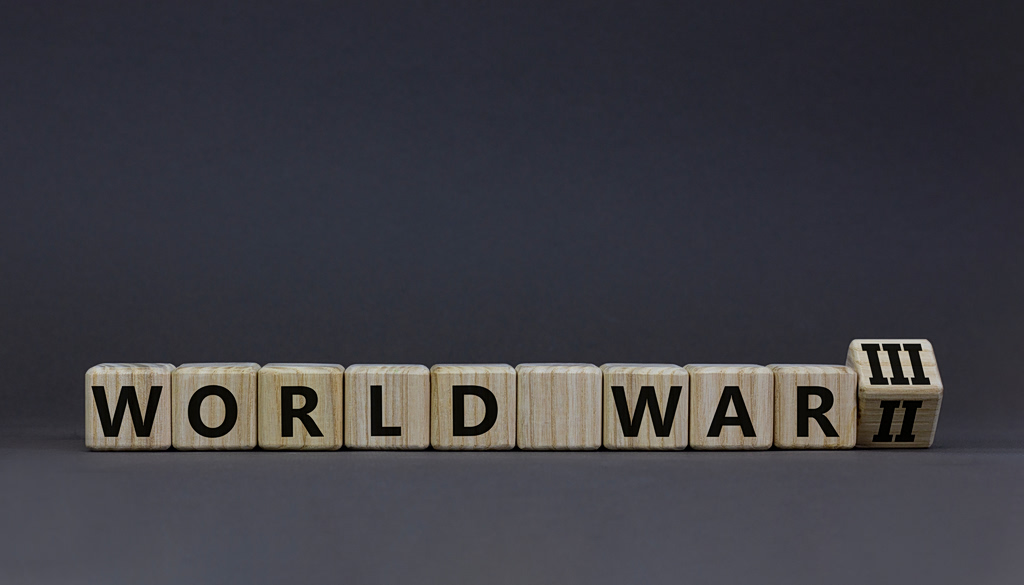
A recent POLITICO Poll reveals that citizens across Western countries increasingly fear the outbreak of World War 3 within the next five years. The survey, which sampled populations from the United States, Canada, the United Kingdom, France, and Germany, shows a majority of respondents believe the world is becoming more dangerous. Crucially, American, Canadian, French, and British participants view the likelihood of a third world war as more probable than not by 2031.
This represents a sharp increase from polling conducted in March 2025 by Public First on the same question. According to Seb Wride, head of Public First, the rising concern stems from an increasingly unpredictable world and unstable alliances among traditional partners.
Rising Fears of World War 3 Across Western Nations
The polling data indicates significant shifts in public perception over the past year. Among British respondents, 43% now believe a new world war is either likely or very likely to occur by 2031, up from 30% in March 2025. Meanwhile, American respondents show even greater concern, with 46% expressing this belief compared to 38% the previous year.
Of the five countries surveyed, only Germany stands out as the exception. German respondents, on balance, do not believe a global conflict is likely within the next five years, according to the poll results.
Nuclear Weapons Use Seen as Increasingly Possible
The survey reveals particularly alarming views regarding nuclear weapons deployment. At least one in three people across the United States, United Kingdom, France, and Canada believe the use of a nuclear weapon is either likely or very likely within the next five years. This reflects growing anxiety about the potential escalation of current geopolitical tensions into unprecedented territory.
Additionally, the poll explored perceptions of which nations pose the greatest threats. Russia remains viewed as the biggest threat by European countries surveyed, while Canadians identified the United States as their primary concern. Interestingly, European respondents ranked the United States as the second-biggest threat, well above China in their assessments.
Geopolitical Tensions Fuel Public Anxiety
The increased fear of global conflict appears rooted in current world events. Russia’s ongoing war in Ukraine shows no signs of slowing down, contributing to widespread security concerns across the Western world. Furthermore, increased U.S. military interventionism under President Donald Trump in countries including Iran, Syria, Venezuela, and Nigeria has created what analysts describe as a dangerous geopolitical moment.
However, despite heightened security concerns, the POLITICO Poll reveals reluctance among Western publics to support necessary financial commitments. While populations across the United Kingdom, France, Germany, and Canada express general support for increased defense budgets, this support weakens considerably when tied to specific measures such as budget cuts in other areas, increased government debt, or tax raises.
Public Willing to Prepare but Not to Pay
This disconnect between perceived threat levels and willingness to fund preparedness measures presents a significant challenge for policymakers. Citizens acknowledge growing dangers yet resist the economic sacrifices that enhanced military readiness would require. The gap between security concerns and fiscal commitment may complicate efforts by governments to strengthen defense capabilities in response to public anxiety.
As geopolitical tensions continue to evolve, future polling may reveal whether public opinion shifts further or whether current concerns stabilize. The extent to which governments act on these public fears while navigating resistance to increased defense spending remains uncertain.

Follow Live Media News on Google News
Get Live Media News headlines in your feed — and add Live Media News as a preferred source in Google Search.
Stay updated
Follow Live Media News in Google News for faster access to breaking coverage, reporting, and analysis.
- Search any trending topic on Google (for example: Greece news).
- On the results page, find the Top stories section.
- Tap Preferred sources and select Live Media News.