


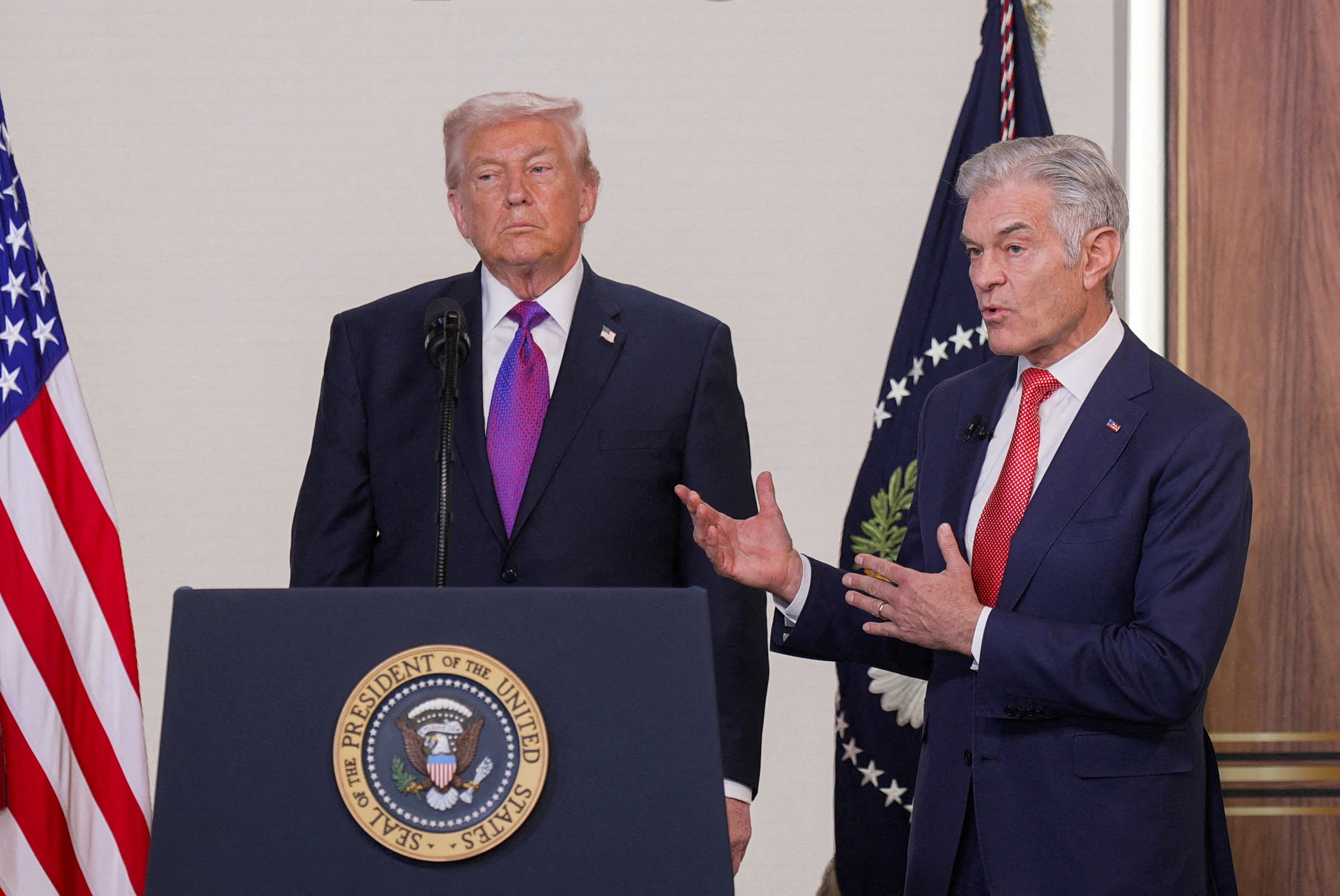
President Donald Trump has repealed the endangerment finding for greenhouse gas emissions, eliminating the scientific determination that carbon pollution threatens public health and scrapping federal vehicle emissions standards. The administration characterized the action as the largest deregulatory measure in United States history, reversing a cornerstone of federal climate policy established under President Barack Obama.
The move rescinds the 2009 endangerment finding that allowed the Environmental Protection Agency to regulate greenhouse gases under the Clean Air Act. According to the administration, the repeal also ends federal greenhouse gas emissions standards for cars and trucks nationwide.
EPA Justifies Greenhouse Gas Emissions Repeal
The EPA argued that the endangerment finding relied on an incorrect interpretation of federal clean air laws. According to the agency, these laws were intended to address pollutants causing local or regional harm rather than global climate change.
EPA Administrator Lee Zeldin described the repeal as eliminating what critics called the “holy grail of federal regulatory overreach.” The administration claims ending the finding and vehicle emissions standards will save U.S. taxpayers $1.3 trillion.
However, under former President Joe Biden, the EPA projected that stricter vehicle regulations would generate $99 billion in annual net benefits through 2055. These benefits included fuel savings and reduced maintenance costs for consumers.
Legal Challenges Expected Following Policy Reversal
The endangerment finding originated from a 2007 Supreme Court ruling in Massachusetts v. EPA, which determined the agency had authority to regulate greenhouse gases. Its repeal removes requirements for manufacturers to measure, report, certify and comply with federal greenhouse gas standards for vehicles.
Additionally, the rollback has drawn immediate opposition from environmental organizations. The Environmental Defense Fund warned the decision would increase pollution and impose greater costs on American families.
The Natural Resources Defense Council and Earthjustice announced plans to challenge the vehicle emissions rollback in court. Legal experts indicate the repeal could trigger years of litigation, potentially returning to the Supreme Court for final resolution.
Political and Industry Reactions Divided
Former President Obama criticized the decision, stating it would leave Americans “less safe, less healthy and less able to fight climate change.” Meanwhile, environmental advocates argue the repeal undermines decades of scientific consensus on climate policy.
Industry reaction to the greenhouse gas regulations repeal has been mixed. The Alliance for Automotive Innovation acknowledged that previous emissions regulations were challenging to meet given current electric vehicle demand but stopped short of explicitly endorsing the endangerment finding rescission.
In contrast, coal industry representatives welcomed the administration’s move. According to these stakeholders, eliminating federal climate regulations could slow the planned retirements of coal-fired power plants across the country.
Implications for Climate and Clean Air Policy
The repeal affects primarily vehicle emissions standards, though its full impact on stationary sources such as power plants remains unclear. Authorities have not confirmed whether the decision will immediately apply to industrial facilities and electricity generation.
The policy reversal represents a fundamental shift in how the federal government approaches climate change and air quality regulation. By eliminating the scientific basis for regulating carbon dioxide and other greenhouse gases, the administration has removed a key tool for addressing environmental protection.
Legal challenges to the repeal are expected to unfold over the coming months and years, with environmental groups preparing court filings. The ultimate fate of the endangerment finding reversal will likely depend on judicial review, though the timeline for any final court decision remains uncertain.

Follow Live Media News on Google News
Get Live Media News headlines in your feed — and add Live Media News as a preferred source in Google Search.
Stay updated
Follow Live Media News in Google News for faster access to breaking coverage, reporting, and analysis.
- Search any trending topic on Google (for example: Greece news).
- On the results page, find the Top stories section.
- Tap Preferred sources and select Live Media News.