


The United States and Iran are scheduled to hold high-stakes indirect nuclear talks in Geneva on Tuesday, as escalating military tensions threaten to overshadow diplomatic efforts. The negotiations, mediated by Oman, come amid a significant U.S. military buildup in the Middle East and Iranian military exercises in strategic waterways.
According to Reuters, U.S. envoys Steve Witkoff and Jared Kushner will participate in the discussions alongside Iranian Foreign Minister Abbas Araqchi. President Donald Trump stated he would be involved indirectly in the talks and suggested Tehran was motivated to reach an agreement, telling reporters that Iran does not want to face the consequences of diplomatic failure, referencing last year’s B-2 bomber strikes on Iranian nuclear facilities.
U.S.-Iran Nuclear Talks Occur Amid Military Buildup
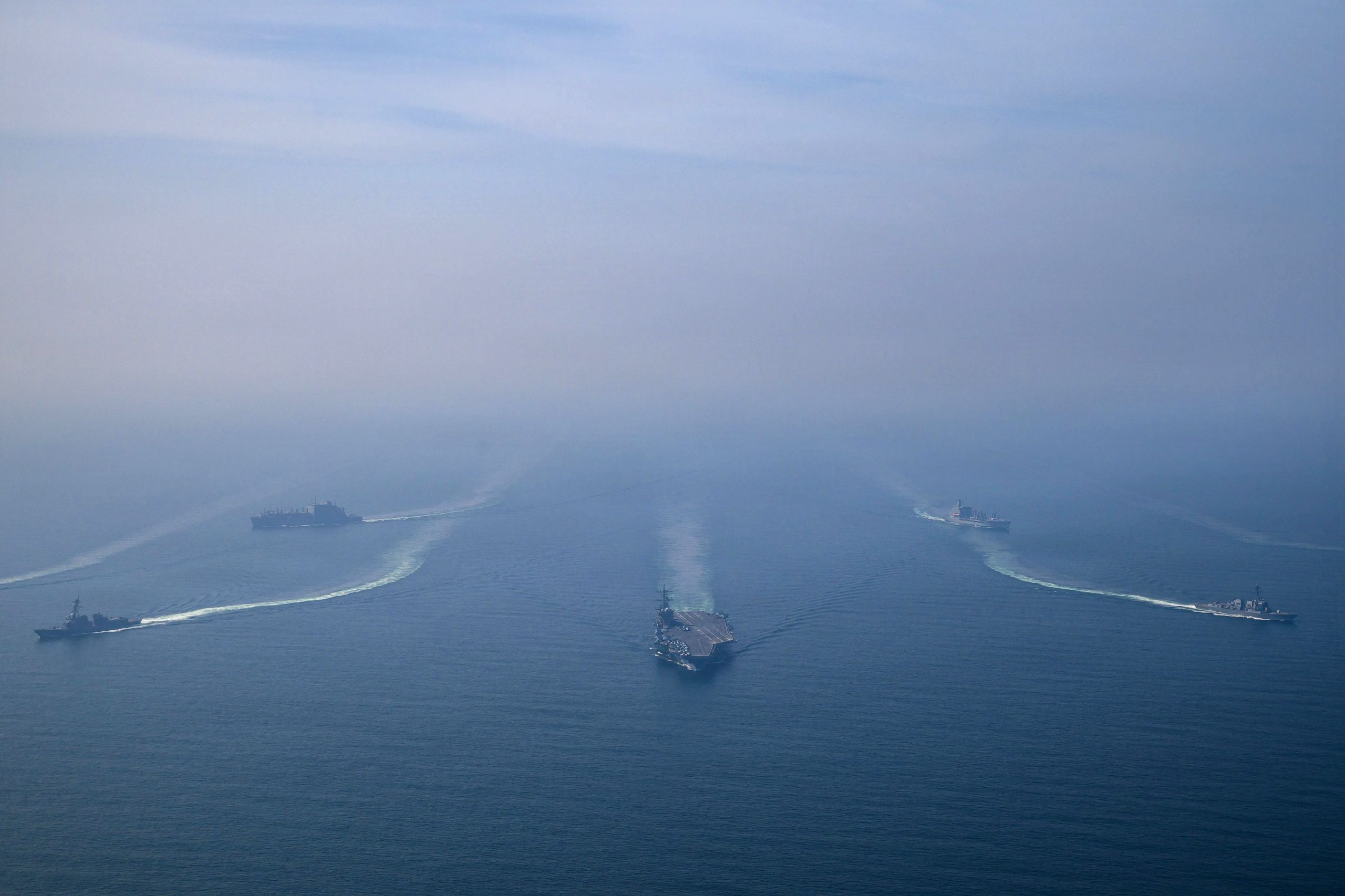
The negotiations take place against a backdrop of heightened military activity in the region. The United States has deployed a second aircraft carrier to the Middle East, creating what Trump described as a massive naval armada. Two U.S. officials told Reuters that military planners are preparing for the possibility of sustained operations if the U.S.-Iran nuclear talks fail to produce results.
Meanwhile, Iran has conducted military drills in the Strait of Hormuz, a critical chokepoint through which approximately one-fifth of global oil flows. Tehran has repeatedly threatened to close the strategic waterway in retaliation for any attack on its territory, a move that could have severe implications for global energy markets.
Background of Nuclear Dispute
Tensions escalated sharply following Israeli and U.S. strikes in June that targeted Iranian nuclear facilities at Natanz, Fordow, and Isfahan. Iran has stated it halted uranium enrichment activity following the attacks, though the country had previously enriched uranium far beyond levels required for civilian power generation.
International Atomic Energy Agency Director General Rafael Grossi met with Araqchi in Geneva on Monday to discuss cooperation and technical aspects of the upcoming nuclear negotiations. The IAEA has been pressing Iran to clarify the status of its stockpile, which reportedly includes 440 kilograms of highly enriched uranium, and to resume full inspections at the damaged sites.
Key Points of Contention
Washington and Israel maintain that Iran seeks to develop nuclear weapons, an allegation Tehran consistently denies. Iran insists its nuclear program serves purely peaceful purposes for civilian energy generation. Additionally, the United States has sought to expand the scope of negotiations to include Iran’s missile program, a proposal that has met resistance from Iranian officials.
Tehran has indicated it will only negotiate limits on its nuclear activities in exchange for comprehensive sanctions relief. However, Iranian officials have made clear they will not agree to give up uranium enrichment capabilities entirely, viewing the technology as a sovereign right under international law.
U.S. Secretary of State Marco Rubio acknowledged the challenges facing negotiators, describing it as difficult to reach a deal with Tehran but affirming that the United States remains willing to pursue diplomatic solutions. The resumption of dialogue on February 6 marked the first substantial engagement between the two nations on their decades-long nuclear dispute in recent years.
The outcome of Tuesday’s indirect nuclear talks remains uncertain, with no timeline announced for subsequent rounds of negotiations or expectations for immediate breakthroughs. Authorities have not confirmed whether the discussions will continue beyond the initial Geneva meeting or what specific proposals will be presented by either side.

Follow Live Media News on Google News
Get Live Media News headlines in your feed — and add Live Media News as a preferred source in Google Search.
Stay updated
Follow Live Media News in Google News for faster access to breaking coverage, reporting, and analysis.
- Search any trending topic on Google (for example: Greece news).
- On the results page, find the Top stories section.
- Tap Preferred sources and select Live Media News.