


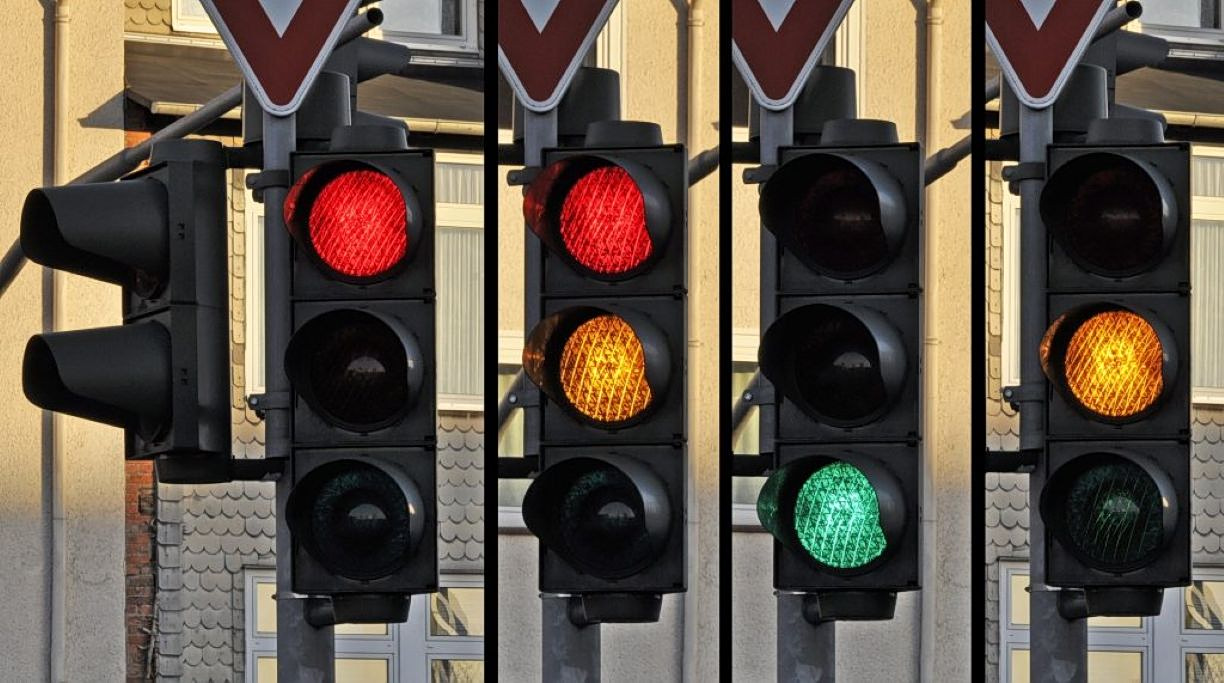
A new traffic light system designed to reduce urban congestion is being implemented in Granada, located in Spain’s southern Andalusia region. The innovative system features traffic signals that briefly display both red and orange lights simultaneously before turning green, marking a significant departure from traditional traffic light sequences used across most of Spain.
The combined red-and-orange signal aims to provide drivers with advance warning that the light is about to change. This allows motorists to prepare their vehicles to move immediately when the green light appears, according to local authorities managing the rollout.
Traffic Light Innovation Builds on European Models
The dual-signal approach is not entirely new to Europe, as several countries have already adopted similar systems with reported success. The United Kingdom and other European nations currently use this traffic light configuration, with authorities indicating it has contributed to easing congestion in busy urban areas. Granada’s decision to implement the system follows these successful international examples.
However, the implementation in Granada represents a notable development within Spain’s regulatory framework. The municipality has authority to introduce local traffic regulations that fall within parameters established by Spain’s General Directorate of Traffic, the national body responsible for road traffic oversight.
Municipal Autonomy Within National Framework
Spanish traffic regulations operate under a hierarchical system that balances local autonomy with national standards. While certain municipalities enjoy a degree of independence in traffic management, they must ensure compliance with Spain’s General Traffic Regulations, which maintain ultimate authority over traffic control measures in both urban zones and highways.
Additionally, cities across Spain can introduce new road signs and traffic control measures under specific conditions. These local innovations are permitted provided they do not duplicate items already included in the official national catalogue and do not contradict existing national traffic regulations.
How the New Traffic Light System Improves Flow
The simultaneous red-and-orange display functions as a preparatory phase in the traffic light cycle. By alerting drivers that the green light is imminent, the system theoretically reduces the reaction time lag that typically occurs when lights change from red directly to green. This shorter response time can lead to improved traffic flow at intersections, particularly during peak congestion periods.
Meanwhile, traffic management experts have long sought solutions to minimize idle time at intersections, which contributes significantly to urban congestion. The brief dual-light warning represents a relatively simple technological adjustment that requires minimal infrastructure changes to existing traffic signal systems.
In contrast to more complex smart traffic management systems that rely on sensors and artificial intelligence, this traffic light modification offers a cost-effective approach to addressing congestion. The system builds on driver psychology and behavior rather than requiring extensive technological investment.
Implementation Across Granada
According to the rollout plan, most traffic lights throughout Granada will eventually feature the combined red-and-orange signal system. The phased implementation allows local authorities to monitor the system’s effectiveness and make adjustments as needed based on traffic patterns and driver response.
The initiative reflects broader efforts across European cities to optimize traffic management through incremental improvements to existing infrastructure. As urban populations continue to grow, municipalities are increasingly exploring practical solutions that can be implemented without major construction projects or budget allocations.
Local authorities have not announced a specific timeline for completing the full deployment of the new traffic light system across all Granada intersections. The effectiveness of the measure will likely be evaluated over the coming months to determine whether similar implementations might be considered in other Spanish municipalities.

Follow Live Media News on Google News
Get Live Media News headlines in your feed — and add Live Media News as a preferred source in Google Search.
Stay updated
Follow Live Media News in Google News for faster access to breaking coverage, reporting, and analysis.
- Search any trending topic on Google (for example: Greece news).
- On the results page, find the Top stories section.
- Tap Preferred sources and select Live Media News.