


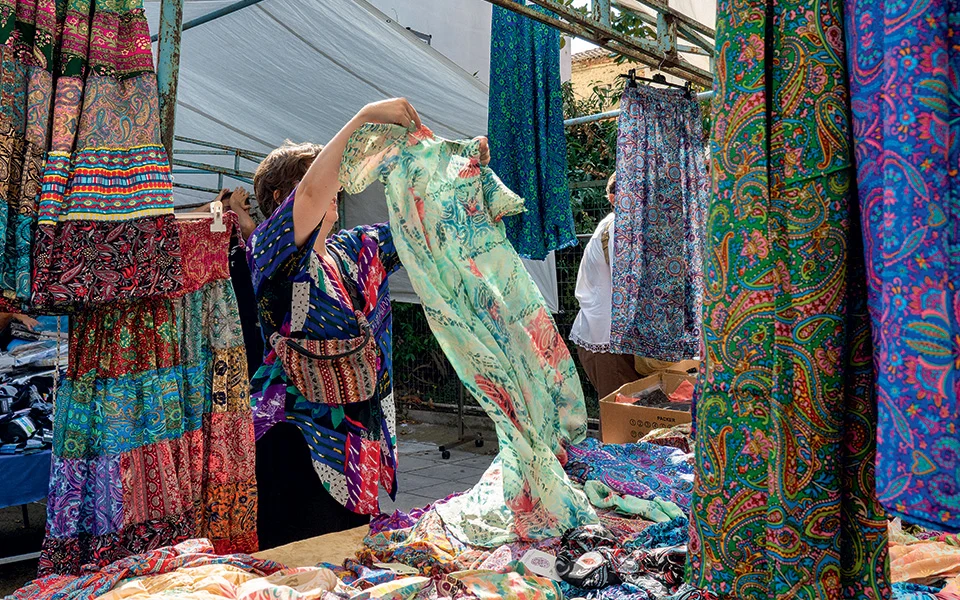
The historic Xanthi bazaar in northeastern Greece continues to thrive as a multicultural marketplace where vendors speak multiple languages and diverse communities converge each Saturday. This centuries-old open-air market in Emporiou Square showcases the unique cultural fabric of the region, where Greek, Turkish, Pomak, Roma, Armenian and Pontic Greek traders gather to sell everything from produce to textiles. According to local residents and vendors, the Xanthi bazaar remains an essential weekly destination that reflects the city’s rich multicultural heritage.
Every Saturday morning, the square transforms into a bustling commercial hub where vendors offer bargains ranging from fifty-cent socks to five-euro sheet sets and twenty-five-euro rugs. The market also features higher-end artisanal products including acacia oil, geranium liqueur, locally grown red potatoes and einkorn flour bread, catering to diverse shopping preferences.
A Multicultural Marketplace With Deep Historical Roots
What distinguishes the Xanthi bazaar from other regional markets is its remarkable linguistic and cultural diversity. Vendors seamlessly switch between Greek, Turkish and other languages mid-sentence as customers approach their stalls. Words like the Greek “oriste” blend naturally with the Turkish “buyurun,” creating a unique multilingual shopping experience that reflects the area’s demographic complexity.
According to Despina, a local mother of four who visits weekly, different ethnic communities traditionally specialize in particular goods. Pontic Greeks predominantly trade in fabrics and quality knock-off clothing, while Roma vendors from Kimmeria offer the most affordable apparel. Pomak sellers typically focus on agricultural products, Turkish-speaking Muslims commonly operate greengrocer stalls, and Greek vendors often specialize in artisanal items.
Vendors Who Have Shaped the Market for Decades
Andreas has sold mushrooms at the market for twenty-five years, offering five or six varieties depending on weather conditions. Some mushrooms are cultivated using substrate imported from Hungary, while others are foraged wild from local forests. However, he notes that changing climate patterns and rising transportation costs have made long-distance selling increasingly difficult.
Meanwhile, Irini—known as Sirin to Turkish-speaking customers—has maintained her vegetable stall for forty years, waking at four every morning. She operates an ambitious schedule selling produce on Saturdays in Xanthi, Sundays in Porto Lagos, Tuesdays in Evalo, Thursdays in Selero and Fridays in Kimmeria.
Additionally, Mr. Christos began selling seeds at age seven and now, in his eighties, continues working alongside multiple generations of his family selling olives and pickles. In contrast, Varouzan, an Armenian vendor who goes by Giorgos with Greek customers, expresses pessimism about the bazaar’s future. He believes increasing supermarket competition may cause the traditional market to disappear within two or three years.
Historical Significance of the Xanthi Bazaar
The market’s history extends back centuries, with accounts from Ottoman traveler Evliya Çelebi mentioning Xanthi’s street markets as early as the 17th century. Research indicates that during Ottoman times, the bazaar originally occurred every Sunday in what is now Democracy Square. However, this timing prevented Christian residents from attending due to church services.
Following petitions from the Christian community, an Ottoman firman issued in 1839 granted permission to change the market day. This administrative decision ultimately allowed the bazaar to expand significantly and gain regional prominence. Although Ottoman-era archives were destroyed during the Bulgarian occupation, the market’s continuous operation demonstrates its resilience through various political changes.
Regional Attraction Drawing International Visitors
Today, the Xanthi bazaar attracts visitors from across Greece and neighboring countries including Bulgaria and Turkey. For some tourists it serves as a sightseeing destination, while others seek an authentic cultural experience. According to Despina, local residents cannot imagine their weekly routine without the market, with many attending simply for the social atmosphere even when they have no specific purchasing needs.
The bazaar continues operating every Saturday despite concerns from some vendors about competition from modern retail establishments. Whether the traditional market can maintain its vibrancy amid changing consumer habits remains an open question for this historic multicultural institution.

Follow Live Media News on Google News
Get Live Media News headlines in your feed — and add Live Media News as a preferred source in Google Search.
Stay updated
Follow Live Media News in Google News for faster access to breaking coverage, reporting, and analysis.
- Search any trending topic on Google (for example: Greece news).
- On the results page, find the Top stories section.
- Tap Preferred sources and select Live Media News.