


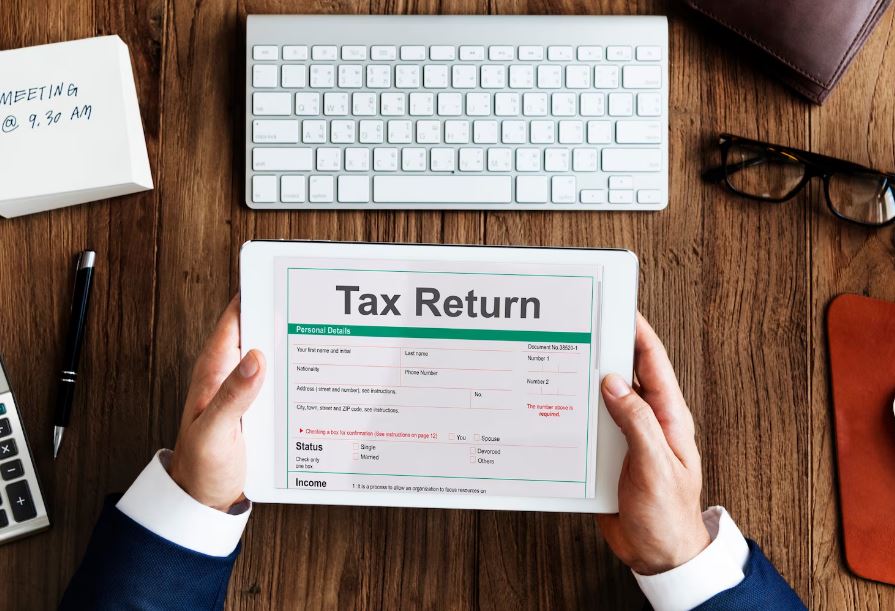
Millions of Illinois residents perform the same silent mental math every April: figuring out how much they owe, checking their bank accounts, and wondering when the state will return the money. For the majority of taxpayers who file electronically and choose direct deposit, it’s a familiar ritual that takes about four weeks to complete without much drama. However, for a significant portion of filers, the wait is longer than anticipated, and the uncertainty becomes unsettling, especially when money is at stake. Before they need it, most people don’t realize how helpful it is to understand how the Illinois refund process actually operates and what can slow it down.
The state’s approximately 6.3 million annual filers of individual income tax returns are processed by the Illinois Department of Revenue, and the 2025 tax year cycle has been under some noteworthy additional pressures. The filing deadline of April 15, 2026, coincides with a processing season marked by new guidelines regarding postal service changes, particularly a USPS announcement that postmarks may no longer reflect the date a piece of mail was dropped at a local post office.
That change has significant ramifications for anyone who still files paper returns and relies on the postmark to ensure timely filing. In January and March of 2026, the IDOR sent out direct alerts alerting taxpayers to the danger. This type of administrative change is hidden in the footnotes until it directly impacts someone, at which point it becomes the main narrative.
| Category | Details |
|---|---|
| Governing Agency | Illinois Department of Revenue (IDOR) — responsible for processing all Illinois individual income tax returns |
| 2025 Tax Year Filing Deadline | Wednesday, April 15, 2026 |
| Electronic Filing Refund Timeline | Typically around 4 weeks after filing when direct deposit is selected |
| Paper Return Refund Timeline | Typically 4 to 8 weeks after filing; can extend up to 15 weeks in some cases |
| Refund Status Tool | Where’s My Refund? — available on the IDOR website; updated each business day |
| Illinois Comptroller Refund Tracker | MyRefund tool at illinoiscomptroller.gov — provides status once IDOR releases funds to the Comptroller’s office |
| Information Required to Check Status | Social Security Number or Individual Tax ID Number, first and last name, and exact refund amount |
| Refund Status by Phone | Illinois Comptroller’s Office: 1-800-877-8078 (also handles lost or uncashed refund checks) |
| Extended Tax Season Phone Hours | April 14, 2026: 8:00 a.m. – 7:00 p.m.; April 15, 2026: 7:30 a.m. – 7:00 p.m. |
| Fastest Refund Method | E-file your return and request direct deposit — IDOR confirms there is no advantage to filing a paper Form IL-1040 |
| 2026 USPS Postmark Change | USPS postmark changes announced in 2026 may no longer reflect the date mail was dropped at a local post office — affecting time-sensitive paper filings |
| Common Causes of Delays | Filing errors, identity verification requirements, fraud security measures, high processing volume, type and amount of credits claimed |
The IDOR’s most reliable and useful advice is to file electronically and ask for direct deposit. The figures support the agency’s clear assertion that filing a paper Form IL-1040 has no benefits. Refunds for electronic filers should arrive in about four weeks. Under normal circumstances, paper filers may have to wait four to eight weeks; if processing volumes are high or the return is flagged for further review, they may have to wait up to fifteen weeks. When someone needs the money for a month’s rent, a utility bill, or a car repair, those aren’t insignificant distinctions.
After a return is submitted and approved, it is tracked using two distinct, sequential systems. The processing step is handled by the IDOR’s Where’s My Refund tool, which verifies that the return was received, that it is being examined, and ultimately that a refund has been authorized and a timeline set. The Illinois Comptroller’s Find Your Illinois Tax Refund System, which offers more precise status updates regarding the actual date of payment issuance, takes over after the IDOR releases the authorized refund to the Comptroller’s office. There is a 24- to 48-hour window during which neither system may display a precise date during the transition between the two systems, which can feel like an information blackout at the exact moment when people are most interested in learning something.

The identity verification component has gained prominence in recent years, and 2026 is no different. In response to the number of fraudulent refund attempts that state revenue departments nationwide have been handling, Illinois has been gradually bolstering fraud prevention measures to shield taxpayers from identity theft. As a result, some valid returns are flagged for further verification, necessitating that the taxpayer reply to a letter, complete an online test, or send supporting documentation via the IDOR’s electronic verification portal. All of this is managed by the portal without requiring a MyTax Illinois account, which is a logical accessibility enhancement. However, the fundamental truth is that these security procedures take time, and if a taxpayer does not reply to a verification letter right away, their refund will not be processed until the response is received.
The way the IDOR has been communicating this season gives the impression that the organization is genuinely trying to address the most frequent causes of taxpayer annoyance. The extended phone hours on April 14 and 15, which run until 7:00 p.m., are an acknowledgement that filers require access to actual people in order to meet the deadline. The March webinar recordings, which cover everything from withholding changes to individual income tax updates, provide professionals and taxpayers with access to advice that was previously only available in person. While none of this speeds up the process after a return is entered into the system, it does lessen the possibility of preventable filing errors that initially cause delays.
Incorrect Social Security numbers, missing W-2 or 1099 forms, missing supporting schedules, and mistakes in direct deposit banking information are the most frequent and avoidable errors that cause Illinois refunds to be delayed. The IDOR will alert filers to process errors, but these notifications take time to generate and necessitate a response, adding weeks to what could have been a seamless four-week turnaround. It’s difficult to ignore the fact that those who filed early, electronically, double-checked their entries, and asked for direct deposit into an account they still use typically have the fastest refund experiences.

Follow Live Media News on Google News
Get Live Media News headlines in your feed — and add Live Media News as a preferred source in Google Search.
Stay updated
Follow Live Media News in Google News for faster access to breaking coverage, reporting, and analysis.
- Search any trending topic on Google (for example: Greece news).
- On the results page, find the Top stories section.
- Tap Preferred sources and select Live Media News.