

Close Menu
Live Media NewsLive Media News
  • Home
  • News
  • Politics
  • World
  • Business
  • Economy
  • Tech
  • Culture
  • Auto
  • Sports
  • Travel
What's Hot

The Hidden Business Empire Behind the World’s Cheapest Airlines — and How It Really Makes Money

2 April 2026

Why Every Major Tech Company Is Betting Its Future on a Technology Most People Cannot Explain

2 April 2026

Why the IMF’s 2026 Growth Forecast Is the Most Controversial Document in International Economics

2 April 2026
Facebook X (Twitter) Instagram
Thursday, April 2
Contact
News in your area
Facebook X (Twitter) Instagram TikTok
  •  Weather
  •  Markets
Live Media NewsLive Media News
Newsletter Login
  • Home
  • News
  • Politics
  • World
  • Business
  • Economy
  • Tech
  • Culture
  • Auto
  • Sports
  • Travel
Live Media NewsLive Media News
  • Greece
  • Politics
  • World
  • Economy
  • Business
  • Tech
  • Culture
  • Sports
  • Travel
Home»Entertainment
Entertainment

Pokémon Pokopia Is the Game Nobody Saw Coming — And Now Nobody Can Put Down

News TeamBy News Team2 April 2026No Comments6 Mins Read
Share Facebook Twitter LinkedIn Telegram WhatsApp Email Copy Link
Follow Us
Google News
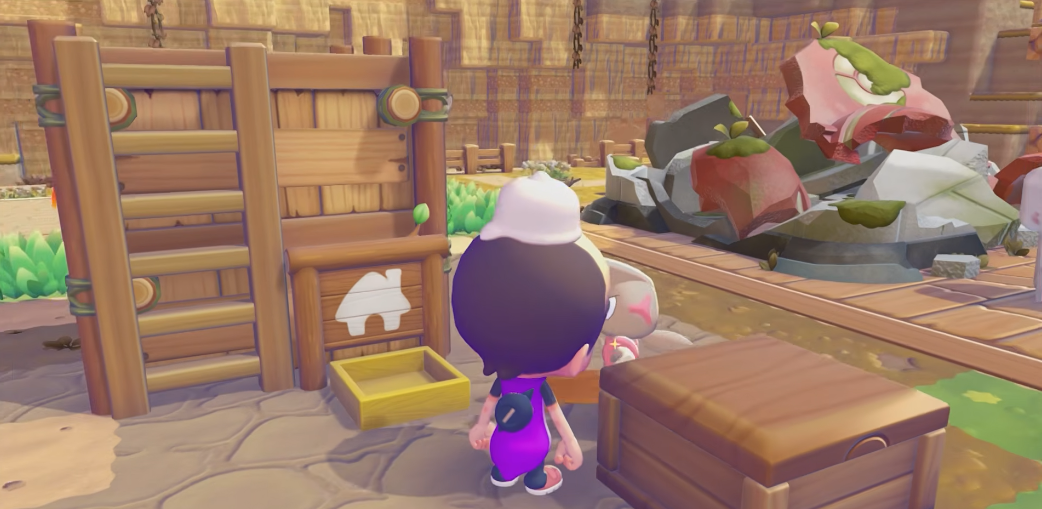
There's a certain irony in the fact that the best Pokémon game in decades stars a creature that isn't really a Pokémon at all — or rather, a creature that is desperately pretending to be everything else. Ditto, the amorphous purple blob with the unsettling blank smile, has always been something of a franchise oddity. A gimmick, most people thought. A novelty for competitive players who knew what they were doing. Nobody expected it to carry an entire game on its gelatinous shoulders. And yet here we are, in March 2026, watching people cancel plans because they can't stop planting grass under trees. Pokémon Pokopia released on March 5, quietly and without the kind of thunderous marketing campaigns that usually precede a major Nintendo launch. That restraint feels appropriate in hindsight. This is not a game that announces itself with explosions and drama. It arrives like a good Sunday morning — unhurried, generous, asking nothing of you immediately. You wake up in a ruined version of Kanto, weeds splitting through cracked pavement, the place stripped of every human voice. A Tangrowth who calls himself Professor Tangrowth — with the kind of gentle academic energy you'd expect from a tangle of vines who has decided he is, in fact, a scientist — greets you and explains the situation. Humanity has left. Pokémon are lost and scattered. Someone has to put things back together. That someone is you. Or rather, it's Ditto wearing the face of your old trainer, doing its best. It's a strange premise for a franchise that has always been fundamentally about combat. Battles, gyms, badges, the relentless forward motion of becoming a champion — that's the Pokémon loop most people know. Pokopia strips all of that away entirely. There are no gym leaders to defeat here, no rivals to out-pace. The tension comes from somewhere quieter: whether a Hoothoot will finally show up now that you've darkened the grove enough, whether the dehydrated Squirtle you nursed back to health has developed a personality you find charming. It probably sounds slight on paper. In practice, it is quietly, unexpectedly consuming. The game's development backstory is worth knowing. Shigeru Ohmori, who directed Scarlet and Violet, had the idea during the production of those games — which is interesting, because Scarlet and Violet were not exactly celebrated for their technical polish. Ohmori found himself thinking back to his earliest work in the series, drawing maps for Ruby and Sapphire, and wondered what it would feel like if players could just build habitats themselves. Game Freak, however, had never made a sandbox game. So Koei Tecmo's Omega Force — best known for hack-and-slash titles, and somewhat surprisingly for Dragon Quest Builders 2 — was brought in as co-developer. That partnership shows in the game's bones. The block-based building system feels more confident, more tactile than anything Game Freak has produced on its own. It's possible this collaboration quietly saved the game from being merely charming and made it genuinely great. The world of Pokopia is built on blocks, similar to Minecraft, though the comparison only goes so far. Where Minecraft rewards raw ambition and tends to reward those who enjoy thinking architecturally, Pokopia nudges you toward coziness. You're not building a fortress. You're curating a grove. There's a difference in feeling that's hard to articulate but immediately obvious when you're playing: instead of the pride of construction, you get the warmth of stewardship. You place a punching bag next to a bench because a particular Pokémon prefers it. You find a human bicycle buried under rubble, and your Pokémon companions crowd around to theorize about what this bizarre artifact could possibly be used for. The scene is funny and oddly moving. Critics have largely agreed the game lands. It scored 89 on Metacritic — the highest of any Pokémon game on the aggregator — with Game Informer and GameSpot both awarding it a 9 out of 10, while TechRadar went the full five stars. GameSpot called it one of the best Pokémon spinoffs ever made, noting specifically how it reframes the player's relationship with these creatures from battling them to simply knowing them. That shift matters more than it might seem. There's a sense that the series has always had this game somewhere inside it, waiting for someone to figure out the right container. Pokemon Pokopia
Pokemon Pokopia
Share
Facebook Twitter WhatsApp Telegram Email

The fact that the best Pokémon game in decades features a creature that isn’t actually a Pokémon at all, or rather, a creature that is frantically trying to pass for everything else, is somewhat ironic. Ditto has always been a bit of a franchise oddity—the amorphous purple blob with the eerie blank smile. Most people thought it was a gimmick. An innovation for skilled competitors. Nobody anticipated that its gelatinous shoulders would support an entire game. And yet, in March 2026, we are witnessing people postpone their plans because they are unable to quit putting grass under trees.

On March 5, Pokémon Pokopia was quietly released without the loud advertising campaigns that typically precede a significant Nintendo release. In retrospect, that restraint seems appropriate. This is not a dramatic or explosive game. It shows up like a pleasant Sunday morning—generous, leisurely, and not immediately demanding anything from you.

Pokémon Pokopia — key information

Full title Pokémon Pokopia
Developers Game Freak & Omega Force (Koei Tecmo)
Publishers Nintendo (worldwide) / The Pokémon Company (Japan)
Directors Shigeru Ohmori, Takuto Edagawa
Platform Nintendo Switch 2 (exclusive)
Release date March 5, 2026
Genre Social simulation, sandbox
Modes Single-player, multiplayer
Metacritic score 89/100 (highest-rated Pokémon game on Metacritic)
OpenCritic 98% critics recommend
First-week sales 2.2 million units (first 4 days); 1 million in Japan alone
Number of Pokémon 300 (Generations I–IX)
Official website pokopia.pokemon.com

When you wake up, Kanto has been completely destroyed, with weeds growing through the cracked pavement and no human voices. Greeting you and outlining the situation is a Tangrowth who identifies himself as Professor Tangrowth. He has the kind of soft academic energy you would expect from a tangle of vines who has decided he is, in fact, a scientist. Humanity has departed. Pokémon are dispersed and lost. It needs to be put back together by someone. You are that person. It’s actually Ditto trying its hardest while donning the face of your former trainer.

For a franchise that has always been essentially about fighting, this is an odd premise. Most people are familiar with the Pokémon loop, which includes battles, gyms, badges, and the never-ending quest to become a champion. Pokopia completely eliminates all of that. Here, there are no competitors to outpace or gym leaders to defeat. Whether a Hoothoot will eventually appear now that you’ve sufficiently darkened the grove, or whether the dehydrated Squirtle you nursed back to health has developed a personality you find endearing, are the quieter sources of tension. On paper, it probably sounds a little off. In reality, it is subtly and surprisingly draining.

It’s interesting to learn about the game’s development history. It’s interesting that Shigeru Ohmori, the director of Scarlet and Violet, came up with the concept while those games were being made because they weren’t particularly praised for their technical mastery.

Thinking back to his early work in the series, creating maps for Ruby and Sapphire, Ohmori wondered what it would be like if players could simply construct their own habitats. But Game Freak had never created a sandbox game. Thus, Omega Force, best known for hack-and-slash games and, somewhat surprisingly, for Dragon Quest Builders 2, was brought in as a co-developer by Koei Tecmo.

The foundation of the game reflects that collaboration. Compared to anything Game Freak has created independently, the block-based building system feels more assured and tactile. It’s possible that this partnership subtly prevented the game from being just endearing and instead made it truly fantastic.

Though the similarities to Minecraft are limited, Pokopia’s world is constructed using blocks. Pokopia encourages coziness, while Minecraft rewards unadulterated ambition and tends to reward those who enjoy thinking architecturally. You’re not constructing a stronghold.

A grove is being curated by you. When you’re playing, you experience a different emotion that is difficult to describe but instantly apparent: the warmth of stewardship rather than the pride of construction. Because a certain Pokémon likes it, you put a punching bag next to a bench. When you discover a human bicycle buried beneath debris, your Pokémon friends congregate to speculate about the potential uses for this strange artifact. The scene is both humorous and strangely poignant.

Most critics concur that the game lands. It received a score of 89 on Metacritic, the highest of any Pokémon game on the aggregator. TechRadar gave it five stars, while Game Informer and GameSpot both gave it a nine out of ten. It reframes the player’s relationship with these creatures from fighting them to just getting to know them, which is why GameSpot named it one of the best Pokémon spinoffs ever made. That change is more significant than it first appears. There’s a feeling that this game has always existed within the series, just waiting for someone to find the appropriate container.

It became the fourth best-selling game on the Switch 2 after selling 2.2 million copies in its first four days of release, including a million in Japan alone. These figures don’t point to a niche experiment. They allude to something more akin to a cultural moment, where a game finds a larger audience than anyone anticipated and makes its publisher appear surprisingly astute. It’s difficult to think that The Pokémon Company won’t notice, but it’s still unclear if this represents a more significant change in their approach to spinoffs.

One thing about Pokémon Pokopia should be stated clearly because it gets overlooked in the excitement surrounding the game: it takes some time to get used to. The hours of operation are actually quite slow. The tasks seem insignificant. During the first two or three sessions, it may seem like the game is asking you to wait for rewards that have not yet appeared.

When new zones open, Pokémon begin to add personality and noise to your restored habitats, and the culmination of all those tiny choices suddenly clicks into something that feels alive, your patience is eventually rewarded in a rush. But first, it makes a request of you. That isn’t exactly a flaw. It’s just something to be aware of before entering.

In the end, Pokémon Pokopia is a game about what is left behind when people depart and what is still willing to take care of what they left behind. It’s a kind notion. If you sit with it long enough, it can be a little depressing. However, the melancholy never quite lands because the execution is sufficiently warm. You’re too preoccupied with waiting for someone to arrive while you’re planting grass beneath a tree.

Follow Live Media News on Google News

Get Live Media News headlines in your feed — and add Live Media News as a preferred source in Google Search.

Stay updated

Follow Live Media News in Google News for faster access to breaking coverage, reporting, and analysis.

Follow on Google News Add to Preferred Sources
How to add Live Media News as a preferred source (Google Search):
  1. Search any trending topic on Google (for example: Greece news).
  2. On the results page, find the Top stories section.
  3. Tap Preferred sources and select Live Media News.
Tip: You can manage preferred sources anytime from Google Search settings.
30 seconds Following takes one tap inside Google News.
Preferred Sources Helps Google show more Live Media News stories in Top stories for you.
Pokemon Pokopia

Keep Reading

Why Every Major Tech Company Is Betting Its Future on a Technology Most People Cannot Explain

The Swiss Franc Is Doing Something It Has Not Done in 15 Years – Here Is What It Signals.

Fargo’s Anomaly – How One Midwestern City is Beating the National Hiring Freeze

The Antibiotic That Can Kill Every Known Drug-Resistant Superbug Was Just Discovered in a Norwegian Fjord

UK Sanctions Hit a Crypto Platform Nobody Had Heard Of — Until Now

UiPath PATH Stock – The Automation Giant That the Market Has Quietly Given Up On

Add A Comment
Leave A Reply Cancel Reply

Editors Picks

Why Every Major Tech Company Is Betting Its Future on a Technology Most People Cannot Explain

2 April 2026

Why the IMF’s 2026 Growth Forecast Is the Most Controversial Document in International Economics

2 April 2026

The Swiss Franc Is Doing Something It Has Not Done in 15 Years – Here Is What It Signals.

2 April 2026

The Stay-at-Home Boyfriend Economy – Inside the Radical Shift Redefining the American Workforce

2 April 2026

Latest Articles

Fargo’s Anomaly – How One Midwestern City is Beating the National Hiring Freeze

2 April 2026

The Antibiotic That Can Kill Every Known Drug-Resistant Superbug Was Just Discovered in a Norwegian Fjord

2 April 2026

UK Sanctions Hit a Crypto Platform Nobody Had Heard Of — Until Now

2 April 2026
Facebook X (Twitter) TikTok Instagram LinkedIn
© 2026 Live Media News. All Rights Reserved.
  • Privacy Policy
  • Terms
  • Contact us

Type above and press Enter to search. Press Esc to cancel.

Sign In or Register

Welcome Back!

Login to your account below.

Lost password?