


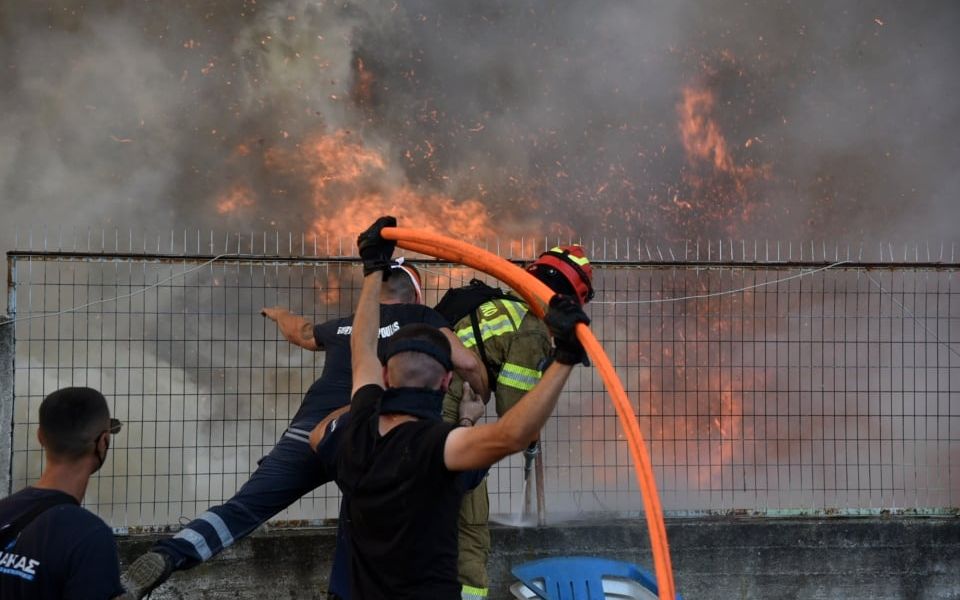
Europe faces a critical shortage of resources to combat an escalating wildfire crisis and must urgently modernize its firefighting aircraft fleet while increasing investment, according to a new industry report. The analysis warns that climate change, rural depopulation, and accumulated vegetation are creating unprecedented fire risks across southern Europe, with blazes increasingly spreading to northern regions previously considered low-risk.
The report, commissioned by Portugal-based aviation company Avincis and prepared by consulting firm Lead by Thought, will be presented at the Aerial Fire Fighting Conference in Rome on Wednesday. Meanwhile, the European Commission is set to propose a new strategy the same day aimed at strengthening prevention measures and reducing fire risk across the bloc.
Wildfire Crisis Extends Beyond Traditional Season
Traditional wildfire seasons that historically ran from early June to mid-September are now starting earlier and lasting longer, the report indicates. This extended timeline is compressing the window for transporting firefighting aircraft between hemispheres, effectively reducing the available global aerial firefighting fleet.
Additionally, fires are moving northward into countries with limited experience managing such threats. Sweden recorded 1,100 hectares burned last year, representing a surge of more than 120 percent above recent averages, according to the report. Finland and Denmark also registered figures exceeding their long-term baselines.
Record-Breaking Destruction Across EU
Blazes destroyed 1.03 million hectares of forest across the European Union in 2025, marking the highest level since records began. Spain suffered the most extensive damage with 393,079 hectares burned, followed by Portugal, Romania, Italy, Greece, and France, the report said.
However, the bloc’s capacity to respond remains severely constrained. Independent EU advisers echoed concerns about preparedness last month, highlighting systemic gaps in Europe’s firefighting infrastructure and coordination mechanisms.
Equipment Shortages Hamper Response Capabilities
John Boag, Group CEO of Avincis, emphasized the urgency of the situation. “There is no question that fire seasons are getting longer,” he said in the report. “The window for transporting aircraft from one hemisphere to another is getting smaller, forcing the available global aerial-firefighting fleet into decline.”
The EU committed 600 million euros in 2024 to purchase 12 DHC-515 amphibious firefighting aircraft across six countries, with deliveries scheduled between 2027 and 2030. Nevertheless, bureaucratic obstacles are complicating efforts to expand production capacity.
Brian Chafe, CEO of De Havilland Canada, the manufacturer producing the aircraft, stated that regulatory delays present significant challenges. “We’re trying to start a second production line, but government bureaucracies are very slow,” he said, according to the report. “That’s not just for our aircraft, but any firefighting asset.”
Workforce Challenges Compound Equipment Problems
In contrast to equipment shortages, the report also identified a critical lack of skilled personnel. Foreign pilots seeking employment in the EU must now complete more than a dozen examinations to obtain an EU Aviation Safety Agency license, compared with just one or two tests required in the United States or Australia.
This regulatory complexity creates barriers to quickly expanding the pool of qualified aerial firefighting professionals across Europe. The combination of equipment delays and workforce constraints leaves many member states vulnerable as fire seasons continue to intensify and expand geographically.
The European Commission’s forthcoming strategy announcement on Wednesday is expected to outline specific measures for prevention and risk reduction. However, authorities have not confirmed whether the proposal will address the aircraft procurement delays and pilot licensing concerns highlighted in the report.

Follow Live Media News on Google News
Get Live Media News headlines in your feed — and add Live Media News as a preferred source in Google Search.
Stay updated
Follow Live Media News in Google News for faster access to breaking coverage, reporting, and analysis.
- Search any trending topic on Google (for example: Greece news).
- On the results page, find the Top stories section.
- Tap Preferred sources and select Live Media News.