


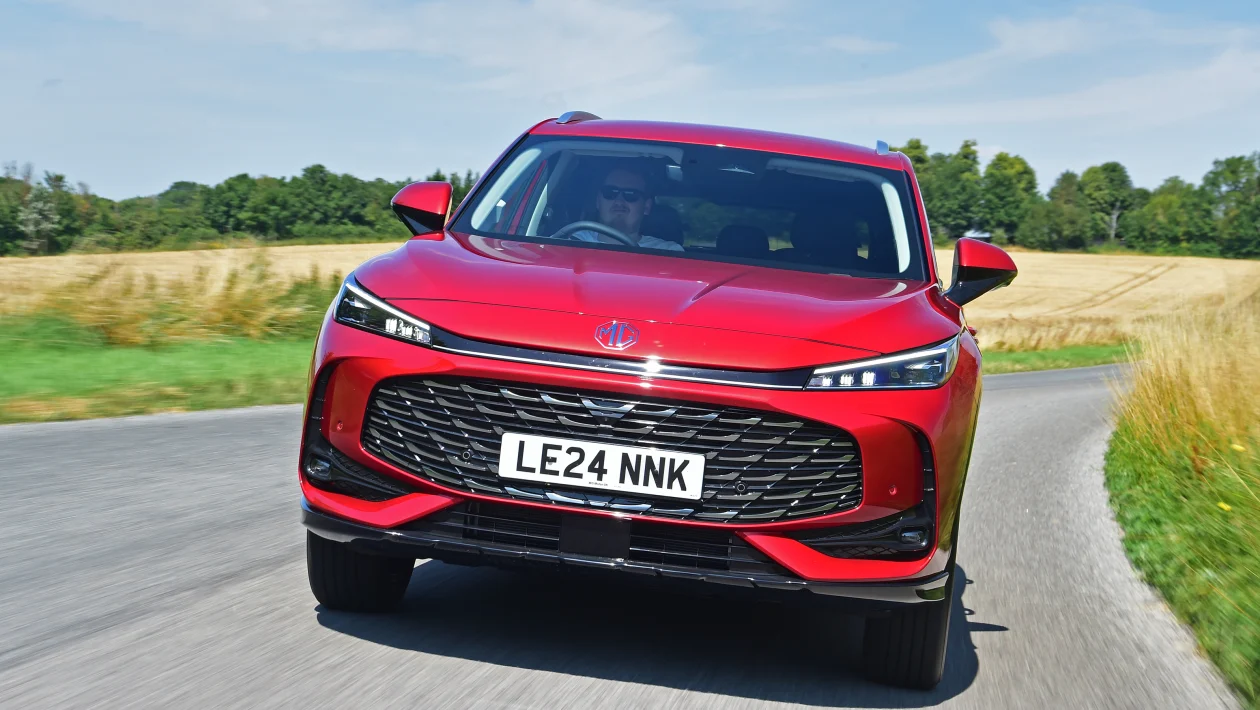
Range extender hybrid vehicles face significant regulatory hurdles in Europe, as automotive industry experts reveal these powertrains struggle to meet upcoming Euro 7 emissions standards. According to MG’s head of research and development, Qiu Jie, the fundamental design of range extender technology creates compliance challenges that could effectively block their adoption across European markets, despite their apparent advantages as a bridge between conventional and electric vehicles.
Speaking to Auto Express, Qiu Jie stated that it is very difficult to make range extenders Euro 7 compliant, noting that while plug-in hybrid electric vehicles can pass the stringent regulations, range extenders cannot. This revelation explains why these vehicles, which are popular in certain Asian markets, remain largely absent from European showrooms even as manufacturers expand their electrified offerings.
Understanding Range Extender Hybrid Technology
Range extender vehicles operate primarily as electric cars, equipped with substantial battery packs typically ranging from 40kWh to 80kWh in Chinese-market models. These batteries power electric motors that drive the wheels, offering purely electric driving for significant distances. However, when the battery charge depletes, a small petrol engine activates to generate electricity and recharge the batteries.
Critically, range extenders maintain no physical connection between the combustion engine and the wheels. The petrol motor functions solely as an onboard generator, distinguishing this architecture from traditional hybrid systems where engines directly contribute mechanical power to vehicle propulsion.
The Euro 7 Compliance Problem for Range Extenders
The regulatory challenge emerges specifically when range extender batteries reach low charge states. According to Qiu Jie, the petrol engine must work extremely hard under these conditions to generate more power than the electric motors demand. This intensive operation occurs precisely when Euro 7 testing procedures evaluate hybrid vehicles with depleted batteries, creating an assessment scenario that exposes range extender weaknesses.
Additionally, many range extender designs incorporate limited emission-control devices. Manufacturers face cost pressures when combining large battery packs, electric motors, and combustion engines with associated components, often resulting in compromises on exhaust treatment technology. These limitations become problematic when engines operate at maximum output to replenish batteries while simultaneously powering the vehicle.
Plug-in Hybrids Offer Different Advantages
In contrast, plug-in hybrid vehicles typically include more comprehensive emissions technology because their combustion engines play more active roles throughout normal operation. These powertrains feature direct mechanical connections between engines and wheels, allowing more efficient operation when running on petrol alone. Meanwhile, plug-in hybrids essentially function as conventional hybrid vehicles when their batteries are depleted, rather than relying entirely on stressed generators.
Furthermore, the established integration of emission-control systems in plug-in hybrid architectures positions them favorably for Euro 7 compliance. Their engines are designed for regular use rather than emergency power generation, enabling manufacturers to optimize emissions performance across various operating conditions that regulatory testing encompasses.
Market Implications and Future Outlook
The regulatory incompatibility between range extender hybrids and Euro 7 standards effectively closes the European market to this powertrain configuration. While some drivers might rarely experience the problematic low-charge operating conditions, certification requirements demand compliance across all tested scenarios. Manufacturers seeking European sales must therefore focus on plug-in hybrid or fully electric alternatives.
The Euro 7 regulations, when fully implemented, will determine which electrified powertrains can compete in European markets. Industry observers continue monitoring whether manufacturers might develop enhanced emission-control solutions for range extenders, though current indications suggest plug-in hybrids and battery-electric vehicles will dominate Europe’s transition away from conventional combustion engines.

Follow Live Media News on Google News
Get Live Media News headlines in your feed — and add Live Media News as a preferred source in Google Search.
Stay updated
Follow Live Media News in Google News for faster access to breaking coverage, reporting, and analysis.
- Search any trending topic on Google (for example: Greece news).
- On the results page, find the Top stories section.
- Tap Preferred sources and select Live Media News.