


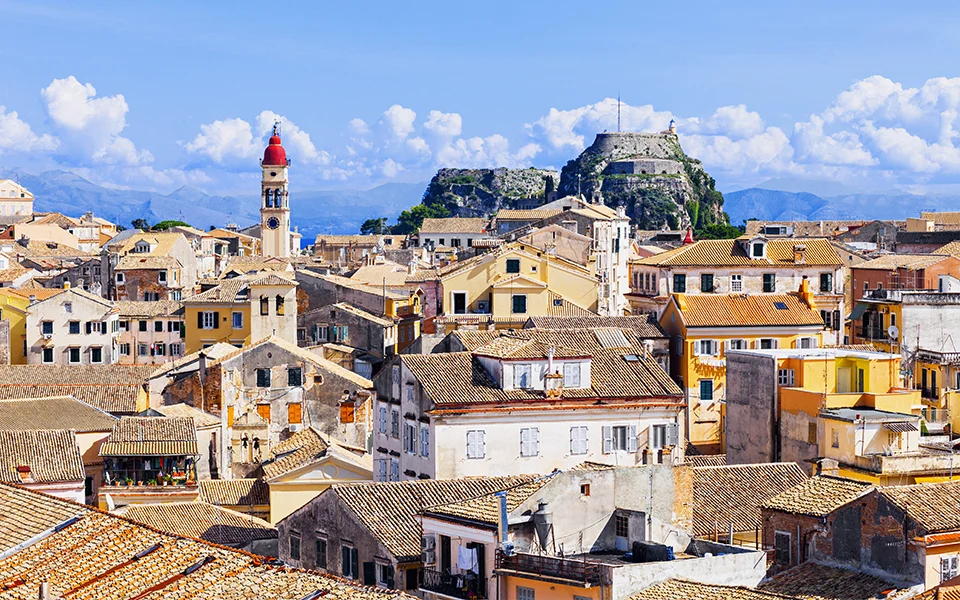
Corfu Town proves that Greek island destinations offer compelling experiences beyond the traditional peak season, according to a recent travel guide. While many assume Greek islands shut down outside Easter and summer months, Corfu Town maintains its vibrant character through winter, thanks to mild temperatures and the welcoming nature of local residents. The comprehensive 30-hour guide showcases how visitors can explore the city’s rich history, diverse cuisine, and cultural attractions during the quieter months.
The guide highlights key experiences throughout Corfu’s Old Town, from its medieval Kampiello neighborhood to its impressive Venetian architecture. Travelers can begin their journey at Saroko Square before wandering through the labyrinthine streets known locally as kantounia, discovering architectural details like stone volta and traditional portonia entrance doors along the way.
Museum of Asian Art Offers Unexpected Cultural Journey
One of Corfu’s most surprising attractions is the Museum of Asian Art, housed in the Palace of St. Michael and St. George. According to the guide, the institution was established in 1928 following diplomat Grigorios Manos’s donation of his Asian art collection to the Greek state. The palace itself, constructed from Maltese stone in 1824 during British High Commissioner Thomas Maitland’s tenure, provides an impressive setting for the exhibits.
The museum’s collection includes approximately 15,000 artifacts, though only a selection is displayed at any given time. Visitors can explore Hindu wood carvings, Noh theater masks, samurai swords, porcelain figurines, and ceramics representing cultures from India, Turkmenistan, and the Far East. Additionally, the palace’s first-floor gallery features the official rooms of the Ionian Senate, including the circular Reception Hall with its striking domed skylight.
Local Cuisine Reflects Italian and Greek Traditions
The culinary landscape of Corfu Town demonstrates strong Italian influences alongside traditional Greek specialties. At Periklis Alexis Dairy Shop, operating since the 1950s, visitors can sample fresh bread rolls covered with Corfiot butter and honey, along with house-made vanilla custards and rizogalo. The establishment sources its bread daily from local bakeries.
For traditional Corfiot dishes like sofrito, pastitsada, and bourdeto, the guide recommends Marina’s Taverna on Velissariou Street. Meanwhile, Di Santo Premium Sandwiches offers focaccia variations that highlight the island’s Italian heritage, including options topped with local noumboulo cured pork and imported ingredients like burrata and pistachio-studded mortadella.
Serbian Historical Connection Preserved
Corfu maintains significant historical ties to Serbia, stemming from World War I when approximately 150,000 Serbian soldiers found refuge on the island following their army’s defeat by Austria-Hungary. The island also hosted the Serbian government-in-exile under Nikola Pašić until the war’s conclusion. Today, the Serbian Museum of Corfu displays photographs, uniforms, weapons, and documents from this period in a neoclassical building on Moustoxydi Street.
A monument on Vidos island, located at the harbor entrance, commemorates the thousands of Serbian soldiers who were quarantined there due to infectious diseases. Many of these soldiers perished and were buried at sea, making the site an important pilgrimage destination for Serbian visitors to Corfu.
Evening Activities and Cultural Venues in Corfu Town
After sunset, the guide suggests exploring the illuminated Liston and Spianada Square, along with the pedestrianized Nikiforou Theotoki Street. Plous Café-Bookshop, operating since 1987, offers an extensive section dedicated to historical and literary publications about the island. The Corfu Philharmonic Society frequently rehearses at its headquarters on Theotoki Street, adding live music to the evening atmosphere.
For wine enthusiasts, Locale wine bar on Sotiros Street provides an extensive wine list with personalized recommendations and accompanying cheese and cured meat platters. The intimate venue represents the type of local establishment that keeps Corfu Town lively during off-season months.
Historic Fortifications Dominate Harbor
The Old Fortress of Corfu stands as one of numerous Venetian fortifications along the Mediterranean coastline and attracts thousands of annual visitors. Accessible via a tall bridge crossing the Contra Fossa moat from Spianada Square, the fortress contains several significant buildings, including the Department of Music Studies of the Ionian University and the Church of St. George, constructed by the British in 1840.
The fortress’s Great Lighthouse, reached by climbing stone steps, offers panoramic views across Corfu Town. The site demonstrates the strategic importance the island held for various powers throughout Mediterranean history, from the Venetians to the British.
The guide appeared in Greece Is, a Kathimerini publishing initiative focused on Greek travel destinations. No specific updates regarding seasonal opening hours or admission policies for the mentioned attractions were provided, though visitors planning off-season trips should verify current operating schedules before arrival.

Follow Live Media News on Google News
Get Live Media News headlines in your feed — and add Live Media News as a preferred source in Google Search.
Stay updated
Follow Live Media News in Google News for faster access to breaking coverage, reporting, and analysis.
- Search any trending topic on Google (for example: Greece news).
- On the results page, find the Top stories section.
- Tap Preferred sources and select Live Media News.