


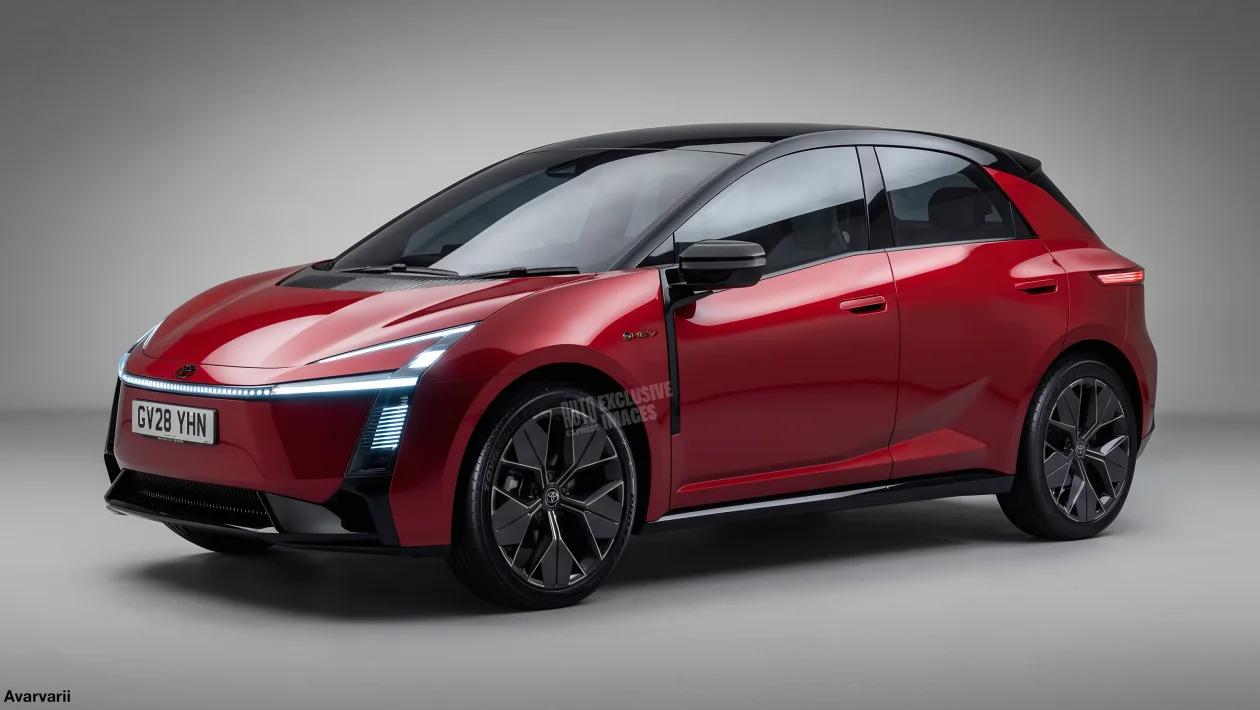
Toyota is developing the next-generation Yaris supermini with plans to offer both hybrid and electric powertrains on a new flexible platform. The upcoming Yaris will arrive no earlier than 2027, according to industry reports, though the replacement could be delayed until 2028 as Toyota transitions to new architecture. This approach mirrors the strategy used for the GR Yaris, with the new model being built to homologate a front-wheel-drive rally car for the Rally4 competition class.
The redesigned Yaris will feature significant interior updates including floating digital screens, simplified dashboard surfaces, and increased glass area for a more open cabin feel. Toyota aims to address criticisms of the current model’s complex and chunky dashboard design while incorporating clever storage solutions that were hallmarks of the original Yaris.
New Platform and Dual Powertrain Strategy
The new Yaris will adopt a far more flexible architecture capable of accommodating both hybrid and fully electric powertrains. This dual-powertrain approach sets Toyota apart from competitors who are designing dedicated models for specific powertrains. The extended development timeline reflects the complexity of engineering this versatile platform.
Additionally, the new platform will incorporate torsion-bar rear suspension designed for maximum space efficiency. This hardware setup aims to keep rear boot space and legroom competitive within the supermini segment, addressing key practical concerns for mainstream buyers.
Rally Heritage Continues
Similar to the performance-oriented GR Yaris, the next-generation model is being developed to homologate a rally car for competition purposes. However, this version will compete in the lower Rally4 class that requires front-wheel drive rather than the all-wheel-drive system used in higher competition tiers. This rallying connection maintains Toyota’s motorsport heritage in the supermini category.
The rally-focused development approach influences various engineering decisions throughout the vehicle’s design. Meanwhile, mainstream Yaris models will benefit from technology and refinements developed through the motorsport program.
Facing Tough Competition in the Supermini Market
The new Yaris will enter a rapidly evolving supermini segment where hybrid and electric options are becoming essential in the UK market. The model will face strong competition from purpose-built rivals including the Volkswagen ID. Polo, which has demonstrated impressive refinement, driving engagement, and range in prototype testing. Industry observers suggest the ID. Polo will lead its segment for technology and sophistication.
In contrast, the Renault Clio hybrid represents another formidable competitor with its efficient powertrain and engaging chassis dynamics. The Clio offers competitive technology features while maintaining distinctive French design characteristics that appeal to buyers seeking alternatives to Japanese and German rivals.
Timeline Remains Uncertain
Traditional automotive model cycles would suggest a replacement Yaris should arrive in 2027, but Toyota has historically extended development timelines when major architectural changes are involved. The substantial transition to a new flexible platform capable of supporting multiple powertrains adds complexity that could push the launch date further back. The manufacturer has not confirmed specific timing details for the next-generation Yaris.
Industry sources indicate minimal news is expected about the new Yaris until 2027 at the earliest, with 2028 being an increasingly likely timeframe for the model’s debut. The extended development period reflects Toyota’s methodical approach to ensuring the new architecture meets reliability and performance standards before market introduction.

Follow Live Media News on Google News
Get Live Media News headlines in your feed — and add Live Media News as a preferred source in Google Search.
Stay updated
Follow Live Media News in Google News for faster access to breaking coverage, reporting, and analysis.
- Search any trending topic on Google (for example: Greece news).
- On the results page, find the Top stories section.
- Tap Preferred sources and select Live Media News.