


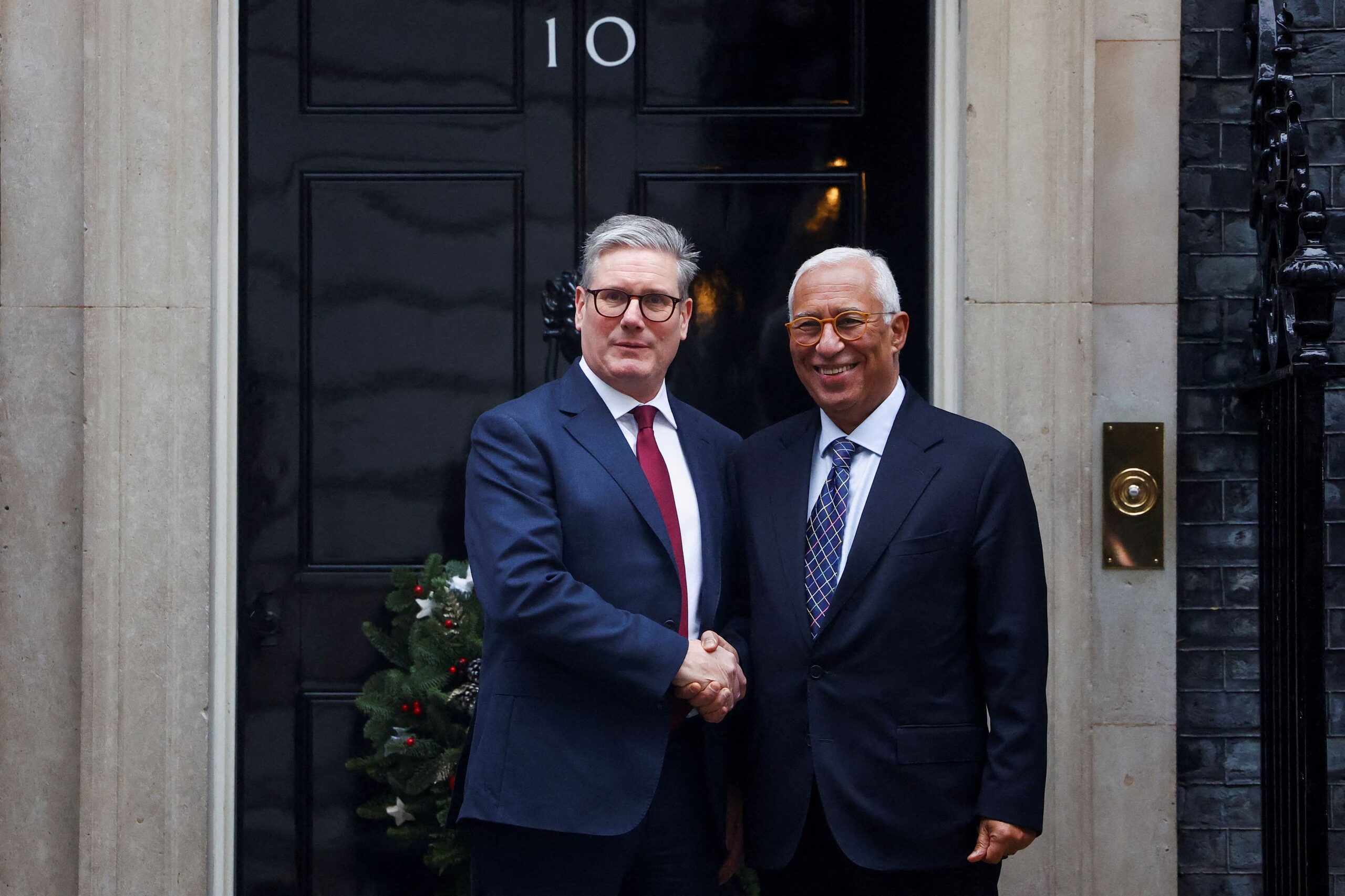
Britain and the European Union are moving closer to an agreement on UK participation in the bloc’s SAFE defense fund, according to European Council President Antonio Costa. The European official expressed confidence that negotiations would ultimately succeed, marking a significant step in post-Brexit defense cooperation between London and Brussels.
Speaking in Paris, Costa acknowledged that discussions could take several weeks or months but remained optimistic about reaching a deal. This comes after negotiations collapsed last November when the UK government refused to contribute financially to the original 150 billion euro fund, effectively ending Britain’s initial attempt to join the defense initiative.
Improving UK-EU Relations Drive SAFE Defense Fund Progress
Costa attributed the renewed momentum to warming relations between Britain and the European Union. Since becoming Prime Minister, Keir Starmer has actively pursued a “reset” in ties with the bloc following years of post-Brexit tensions.
“The reset is going well,” Costa told reporters, suggesting that the improved diplomatic climate has created favorable conditions for resolving the financial disagreements that previously derailed talks. The shift in tone represents a marked departure from the contentious atmosphere that characterized earlier UK-EU negotiations.
Defense Cooperation Beyond Financial Commitments
Additionally, Costa emphasized existing defense collaboration between Britain and EU member states. He specifically highlighted the UK’s joint leadership role with France in the “Coalition of the Willing,” a group providing military support to Ukraine amid ongoing conflict with Russia.
This practical cooperation demonstrates that UK-EU defense ties extend beyond formal financial arrangements. However, participation in the SAFE fund would represent a more structured and institutionalized form of collaboration between Britain and the bloc.
Understanding the SAFE Fund Initiative
The SAFE fund is a multi-billion-euro defense financing mechanism through which the European Union raises capital on financial markets. The program then provides loans to member states for defense-related expenditures, enabling countries to strengthen their military capabilities without immediate budget pressures.
Britain initially sought to join the original 150 billion euro SAFE defense fund but withdrew after disagreements over required financial contributions. The sticking point centered on how much the UK would need to pay into the program as a non-EU member state.
New Opportunities for British Participation
Meanwhile, recent statements from Prime Minister Starmer indicate his government may consider applying to a potential second SAFE fund. This approach would allow Britain to participate in future defense cooperation initiatives while avoiding the contentious issues that complicated earlier negotiations.
In contrast to the previous administration’s approach, Starmer’s government has prioritized closer ties with European partners on security matters. This strategic shift reflects growing recognition that defense challenges require coordinated responses, regardless of Brexit-related political sensitivities.
The Prime Minister’s willingness to explore participation in future SAFE initiatives signals continued interest in institutionalized defense collaboration. However, the financial contribution formula remains a critical detail that negotiators must resolve to secure UK involvement.
Strategic Implications for European Security
British participation in the SAFE defense fund would strengthen European security architecture at a time of heightened geopolitical uncertainty. The UK maintains one of Europe’s most capable military forces and significant defense industrial capacity, making its involvement particularly valuable.
Furthermore, closer UK-EU defense cooperation could complement NATO activities while providing additional mechanisms for coordinated European responses to security challenges. This layered approach would enhance overall resilience and flexibility in addressing diverse threats.
According to Costa’s assessment, the timing of these negotiations coincides with broader momentum toward deeper European defense integration. Multiple EU member states have increased defense spending and procurement following Russia’s invasion of Ukraine, creating opportunities for collaborative initiatives.
The timeline for concluding negotiations remains uncertain, with Costa indicating discussions could extend for weeks or months. Both sides must still resolve technical details regarding financial contributions and governance arrangements before any agreement can be finalized.

Follow Live Media News on Google News
Get Live Media News headlines in your feed — and add Live Media News as a preferred source in Google Search.
Stay updated
Follow Live Media News in Google News for faster access to breaking coverage, reporting, and analysis.
- Search any trending topic on Google (for example: Greece news).
- On the results page, find the Top stories section.
- Tap Preferred sources and select Live Media News.