


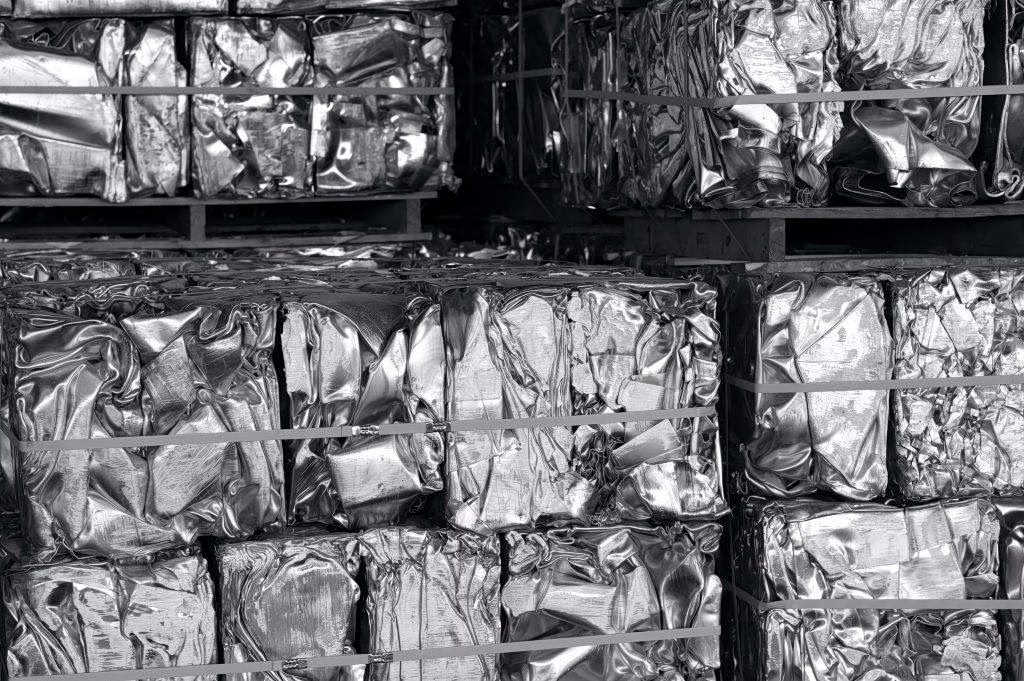
Major global automakers are racing to secure aluminum supplies as the ongoing Gulf conflict disrupts production and shipping routes, threatening to deplete inventories within months. The aluminum shortage has prompted industry-wide concerns about potential production slowdowns as tensions in the region continue into their fourth week.
Producers in the Gulf, including Aluminium Bahrain and Qatalum, have scaled back operations due to energy interruptions and shipping bottlenecks that are affecting both exports and the import of raw materials. Aluminum remains a critical component across multiple industries, from automotive manufacturing to aerospace and construction.
Automakers Build Emergency Aluminum Reserves
Executives from automotive companies and parts suppliers have confirmed to the Financial Times that firms are building emergency stockpiles to mitigate the aluminum supply crisis. According to an aluminum industry executive, panic buying could intensify if the situation persists, noting that this crisis differs significantly from previous supply disruptions.
Several Western carmakers report difficulties securing new aluminum supplies and are relying on existing inventories expected to last only a few months. One company noted that a major shipment departed the Gulf just before hostilities began, while others are maximizing the use of recycled scrap metal to compensate for primary aluminum shortages.
Japanese Automakers Consider Russian Sources
Meanwhile, Japanese companies are exploring the possibility of sourcing aluminum from Russia despite ongoing boycotts following Moscow’s 2022 invasion of Ukraine. Koji Sato, CEO of Toyota, acknowledged that Japanese automakers are investigating alternative suppliers given their substantial dependence on Gulf imports.
Additionally, the automotive industry faces particular challenges due to strict material specifications that cannot be quickly replaced. Certain specialized aluminum products, such as alloys used for car wheels and engine blocks, are experiencing acute shortages across global markets.
Regional Dependencies and Shipping Vulnerabilities
Europe, the United States, and Japan import significant quantities of Gulf aluminum, which accounts for approximately 10% of global refined metal production. European imports from the Gulf constitute 14% of regional demand, while Japan relies on the region for 25% of its aluminum supplies.
However, these supplies face mounting risks from shipping delays through the Strait of Hormuz, compounded by rising natural gas prices that have further reduced production output. Automotive executives warn that manufacturing may need to slow by mid-year unless Gulf shipments resume normal levels.
One Japanese carmaker described the market as extremely turbulent, predicting potential production cuts within four months if aluminum supplies remain constrained. The automaker’s assessment reflects broader industry concerns about the sustainability of current inventory levels.
Price Volatility and Market Pressures
Aluminum prices on the London Metal Exchange surged up to 12% following the onset of the conflict, with premiums in the US, Europe, and Japan climbing even higher. The price spikes have added financial pressure to automakers already navigating complex supply chain challenges.
In contrast to expectations for rapid recovery, industry experts caution that automakers could require up to 18 months to secure alternative suppliers meeting their stringent quality specifications. Recent disruptions, including a fire at a New York aluminum plant, have already affected production of popular vehicles like the Ford F-150.
Dan Hers, a supply chain specialist at AlixPartners, told the Financial Times that companies cannot absorb further disruption or unexpected price increases, particularly amid tariffs and ongoing supply chain pressures from the previous year. The convergence of these factors has created unprecedented strain on automotive manufacturing operations.
Industry observers expect the situation to remain fluid in coming weeks as diplomatic efforts continue and automakers assess their medium-term supply options. Authorities have not confirmed when normal production levels in the Gulf might resume, leaving the timeline for resolution uncertain.

Follow Live Media News on Google News
Get Live Media News headlines in your feed — and add Live Media News as a preferred source in Google Search.
Stay updated
Follow Live Media News in Google News for faster access to breaking coverage, reporting, and analysis.
- Search any trending topic on Google (for example: Greece news).
- On the results page, find the Top stories section.
- Tap Preferred sources and select Live Media News.