


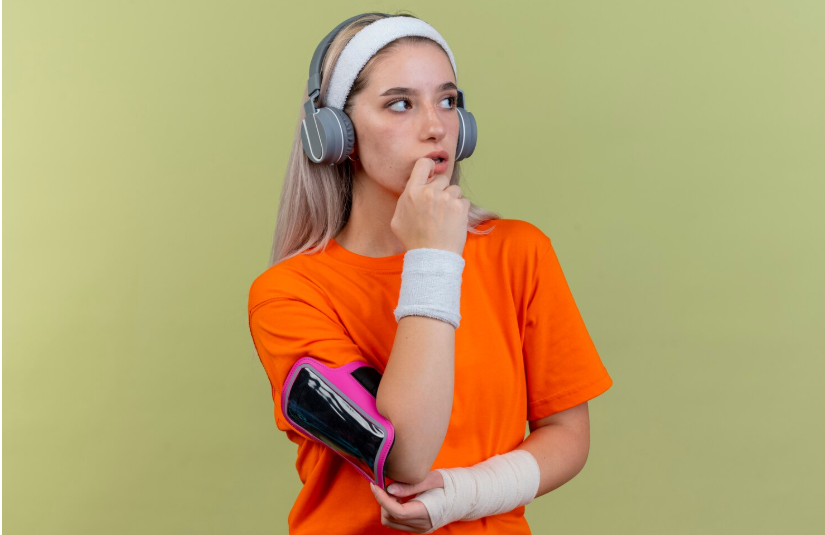
The headphones on a desk appear innocuous enough. cushions for the ears. smooth arcs made of plastic. The padding still has a hint of yesterday’s workout. Wearing them on trains, in open offices, or while playing video games late at night makes them feel like extensions of modern life. However, a recent study indicates that those same cushions might be harboring something much less reassuring: PFAS, also known as “forever chemicals.”
81 headphone models were tested in the study, which was carried out by the ToxFree LIFE for All project and covered by The Guardian. Each and every one of them contained dangerous materials. Just that detail sticks out. Not a few. Not the majority. Everything.
| Category | Details |
|---|---|
| Study Name | ToxFree LIFE for All Headphones Investigation (2026) |
| Conducted By | ToxFree LIFE for All (Central European civil society partnership) |
| Key Partner | Arnika |
| Products Tested | 81 headphone models (in-ear and over-ear) |
| Chemicals Detected | PFAS (“forever chemicals”), BPA, BPS, phthalates |
| Report Highlighted By | The Guardian (Feb 18, 2026) |
| Reference | https://www.theguardian.com |
Manufacturers value PFAS because they prolong the life of products by repelling perspiration and water. It’s chemistry in practice. Ear pads are less likely to crack. Skin oils are not absorbed by plastics. Headphones withstand summer heat and exercise. However, these substances do not decompose readily in rivers, landfills, or even in our bodies. It seems as though the very durability that customers value could be the cause of ongoing discomfort.
The lab results went beyond PFAS. 98% of the samples contained bisphenol A (BPA). BPS, its cousin, appeared in over three-quarters of them. Flame retardants and phthalates were also found, albeit frequently in trace amounts. Some of these substances have long been associated by scientists with reproductive problems, hormone disruption, and some types of cancer. Whether exposure from headphones alone is sufficient to produce quantifiable harm is still up for debate. However, dermal absorption is not hypothetical, particularly when sweat and heat are involved. These substances can move into sweat, according to earlier research.
Imagine an 8:30 a.m. London Underground carriage that is packed. With their headphones pressed against their warm skin, commuters were crammed shoulder to shoulder. Or an adolescent running on a treadmill with sweat-dampened earpads and music blaring. If the exposure happens, it won’t be very noticeable. It would be sluggish. gradually. repeating every day.
Chemical expert Karol Rodríguez Brabcová of Arnika cautioned that endocrine disruptors that imitate natural hormones have no “safe” level. It’s a powerful language. Maybe on purpose. The situation, according to campaigners, is a “market-wide failure.” That statement seems accusatory, targeting a whole supply chain that is covertly optimizing for cost and durability rather than a single rogue manufacturer.
Manufacturers may see these chemicals as necessary compromises—small quantities, strictly regulated, integrated into intricate worldwide production networks. After all, the electronics sector has previously grappled with issues ranging from lead in solder to laptop flame retardants. Each time, reform was gradual and frequently the result of growing public pressure.
Nevertheless, it’s difficult to ignore how little information is provided to customers. Battery life and noise cancellation levels are bolded on headphones boxes. Polymer additives are hardly ever mentioned. In this instance, transparency appears to be lacking.
The larger picture is important. Regulations pertaining to PFAS in food packaging and water supplies are being tightened globally. Scientists are looking into connections between synthetic chemicals and increased rates of cancer and infertility. There is a growing perception that there are unseen trade-offs associated with modern convenience. Even though they aren’t the most dangerous, headphones are a powerful symbol.
However, skepticism is justified. In many samples, the amounts found were negligible. Listening for one afternoon won’t make you sick. For most people, even daily use may not result in quantifiable risk. It is still challenging to measure the so-called “cocktail effect,” which is the cumulative exposure from several sources. Scientists are aware of its existence. They find it difficult to pinpoint its exact effects.
There is an odd tension created by that uncertainty. Customers are forced to weigh potential harm against enjoyment. Do you no longer wear headphones? Not likely. Work, travel, exercise, and even sleep routines all incorporate them. The gadgets are now almost constant companions rather than accessories.
Some experts recommend practical measures, such as limiting prolonged sweaty use, using fabric covers, and cleaning ear pads on a regular basis. These are not drastic lifestyle changes, just small adjustments. Although there is a lack of long-term data, it is possible that such measures significantly lower exposure.
Advocates counter that there are already safer materials available. Why not electronics if waterproof jackets can be produced without specific PFAS compounds? Despite the differences in manufacturing constraints, that comparison is convincing. Investors appear to think that over the next ten years, consumer goods industries will change due to sustainability pressures. It’s unclear if headphones will be included in that change.
Under bright lighting, rows of glossy boxes line the shelves of an electronics store. Adolescents experiment with noise-cancelling technology. Prices are compared by office workers. Bisphenols are not questioned. There seems to be a significant disconnect between laboratory results and routine purchasing decisions.
As you watch this happen, you come to the silent realization that technology rarely comes clean. Data trails and digital footprints are examples of metaphorical residue. It can be chemical at times.
Whether this investigation leads to regulatory change or just becomes another one of the alarming headlines is still up in the air. However, the study has accomplished one goal. It has introduced a brief pause into a routine that would otherwise be effortless.
The music might sound the same the next time those ear cushions come into contact with warm skin. However, the quiet in between songs may seem different—full of questions rather than answers.

Follow Live Media News on Google News
Get Live Media News headlines in your feed — and add Live Media News as a preferred source in Google Search.
Stay updated
Follow Live Media News in Google News for faster access to breaking coverage, reporting, and analysis.
- Search any trending topic on Google (for example: Greece news).
- On the results page, find the Top stories section.
- Tap Preferred sources and select Live Media News.