


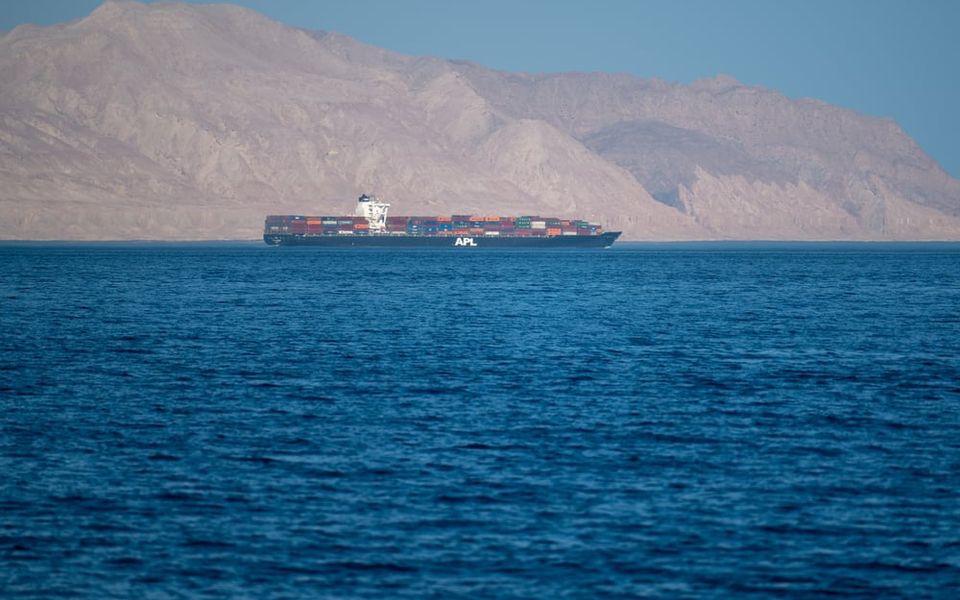
The Greek Ministry of Maritime Affairs and Insular Policy has issued an urgent warning to Greek-flagged vessels navigating the Strait of Hormuz, advising heightened vigilance amid escalating military activity in the Persian Gulf. According to the ministry, a Greek ship entering the strait on February 3 was subjected to suspicious radio communications demanding it cut engines and prepare for boarding, while two armed small vessels made repeated approaches without providing legitimate justification.
The vessel ignored the unauthorized calls and continued safely on its course, the ministry reported. However, the incident has prompted Greek maritime authorities to alert all Greek ships operating in the region to exercise extreme caution when transiting one of the world’s most strategically important waterways.
Rising Security Concerns in the Strait of Hormuz
The Strait of Hormuz serves as a critical chokepoint for global energy supplies, with approximately one-fifth of the world’s petroleum passing through the narrow waterway. The recent incident involving the Greek vessel highlights growing security challenges for commercial shipping in the region.
Additionally, the ministry warned of a significant increase in GPS jamming activity throughout the area. Maritime officials urged ship masters to be prepared to navigate using traditional methods without relying on digital navigation assistance, as electronic interference could compromise vessel safety and positioning systems.
Geopolitical Tensions Threaten European Shipping
The warning comes amid heightened tensions between Iran and Western nations, creating an increasingly precarious environment for European commercial vessels. The Ministry of Maritime Affairs and Insular Policy specifically cautioned that Iranian authorities might attempt what it described as “aggressive actions” against European ships transiting the region.
Meanwhile, Greek maritime authorities have advised ship masters to maintain maximum distance from the territorial waters of Iran, Yemen, and Somalia. These recommendations reflect broader concerns about maritime security risks extending beyond the Strait of Hormuz to encompass wider areas of the Red Sea and Gulf of Aden.
Navigation Safety Protocols for Greek Ships
In response to these emerging threats, the ministry has instructed Greek ships to implement enhanced security protocols when operating in Persian Gulf waters. Vessel operators are being advised to maintain constant communication with Greek maritime authorities and report any suspicious activity immediately.
Furthermore, the ministry emphasized the importance of crew preparedness for potential electronic warfare scenarios. The prevalence of GPS jamming requires crews to maintain proficiency in celestial navigation and other traditional seafaring techniques that do not depend on satellite systems.
Regional Maritime Security Implications
The incident involving the Greek vessel on February 3 represents part of a broader pattern of maritime confrontations in the Strait of Hormuz. Over recent years, the strategic waterway has witnessed numerous incidents involving commercial shipping, reflecting ongoing geopolitical competition in the region.
In contrast to previous periods of relative calm, current conditions suggest an escalation in attempts to intercept or interfere with commercial vessels. The use of armed small boats to approach merchant ships poses significant risks to crew safety and freedom of navigation.
Security experts note that GPS jamming technology has become increasingly sophisticated and widespread in conflict zones. This development presents serious challenges for modern vessels heavily dependent on electronic navigation systems for safe passage through congested shipping lanes.
Greek authorities have not confirmed whether additional incidents have occurred since February 3, though the urgent nature of the ministry’s advisory suggests ongoing concern about the security environment. The ministry continues to monitor the situation closely and has pledged to provide updated guidance as circumstances evolve in the Persian Gulf region.

Follow Live Media News on Google News
Get Live Media News headlines in your feed — and add Live Media News as a preferred source in Google Search.
Stay updated
Follow Live Media News in Google News for faster access to breaking coverage, reporting, and analysis.
- Search any trending topic on Google (for example: Greece news).
- On the results page, find the Top stories section.
- Tap Preferred sources and select Live Media News.