


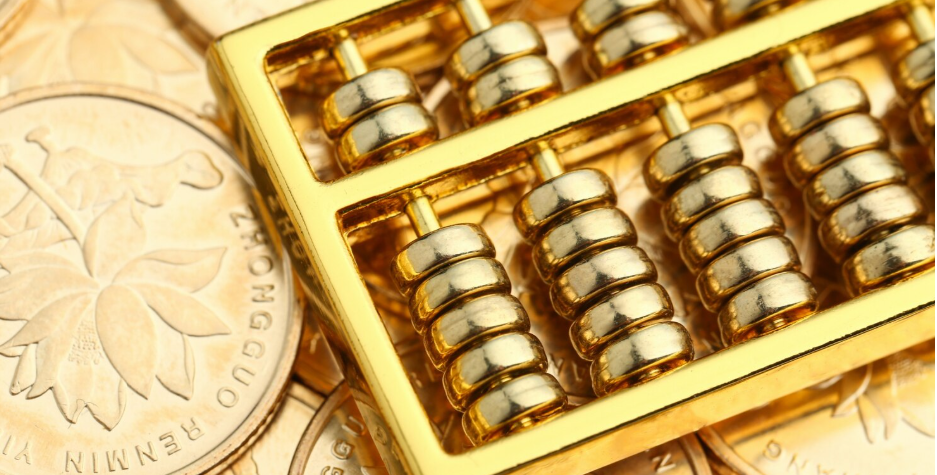
On Tuesday morning, the screens at commodity trading desks flickered once more. The price of gold had risen to about $5,170 an ounce, regaining the ground it had lost the day before. There’s a feeling that the market is attempting to make a significant decision when you watch the charts move in real time, but nobody is quite sure what that decision will be.
The dollar contributed to part of the change. After former President Donald Trump hinted that tensions in the Middle East might soon ease, the value of the US dollar slightly declined. He referred to the recent military action involving Iran as a “little excursion” while standing in front of reporters, which is an oddly casual description for something that just hours earlier had traders preparing for energy shocks. Markets responded almost instantly, with gold recovering as the dollar slipped.
| Category | Details |
|---|---|
| Commodity | Gold |
| Current Reference Price | Around $5,170 per ounce after recent rebound |
| Previous Session Low | Near $5,096 per ounce |
| Major Trading Markets | London OTC Market, COMEX (U.S.), Shanghai Gold Exchange |
| Standard Futures Contract | 100 troy ounces |
| Global Gold Use | ~50% jewelry, 40% investment, 10% industrial |
| Major Producers | China, Australia, United States, Russia, South Africa |
| Major Consumers | India, China, United States, Turkey, UAE |
| Market Drivers | Inflation expectations, geopolitical tension, central bank policy |
| Reference Source | https://tradingeconomics.com/commodity/gold |
However, the atmosphere is cautious rather than assured. Gold had fallen by about 1.5% earlier in the week to about $5,096 an ounce. For the first time since 2022, crude oil prices rose above $100 per barrel at the time of that action. This pattern is familiar to anyone who has spent enough time observing commodity markets. Fears of inflation frequently follow sharp increases in oil prices, driving up bond yields and temporarily decreasing the appeal of non-yielding assets like gold. It’s simple to follow the reasoning. It’s less tidy to live through.
The economy is subtly impacted by rising oil prices; diesel prices increase, shipping costs rise, and the cost of factory inputs rises. It’s the kind of domino effect that eventually manifests itself in grocery stores and airline tickets. Investors appear to recognize that possibility once more, making the necessary adjustments to their portfolios.
However, there is more to the narrative. In the past, energy-driven inflation shocks have caused investors to gravitate back toward tangible assets. The same factors that depress gold one day may subtly increase its appeal in the long run the next. Perhaps today’s reluctance is just a part of that well-known pattern. The jobs report on Friday didn’t calm people down.
In February, the U.S. economy unexpectedly lost 92,000 jobs. The modest gain of roughly 59,000 was what economists had predicted. Things appeared worse after revisions to previous months. December was discreetly rewritten as a loss after it was initially reported as a slight increase. When one looks at the numbers, a pattern starts to emerge: payrolls have decreased three times in the last five months, something that hasn’t happened since the post-2008 recovery years.
The Federal Reserve is put in an awkward situation as a result. Interest rate reductions are typically encouraged by a weakening labor market, but aggressive easing is risky due to inflation risks, which are partially fueled by rising oil prices. Price pressure could be rekindled if cuts are made too soon. The slowdown could get worse if you wait too long.
A few weeks ago, markets anticipated rate cuts of over 55 basis points; today, they anticipate about 40 basis points by year’s end. Investors appear to think the Fed will act cautiously, possibly grudgingly. Stagflation is a term that frequently comes up in quiet discussions among traders.
The phrase evokes memories of the 1970s, a time when inflation persisted and economic growth stalled. It’s difficult to ignore reminders of that time period when commodity prices rise in tandem with declining employment statistics. It’s another matter entirely whether history actually repeats itself. These moments frequently become defining for gold.
Across the world, central banks have been steadily accumulating bullion. Over 800 tonnes of gold were bought by official institutions in 2025 alone. The logic seems straightforward enough: gold is still a widely accepted store of value even though currencies and political allegiances change.
Even governments now view it more as a flexible financial tool than as a static treasure. For instance, it is said that Poland has thought about selling a portion of its approximately 550-ton reserve to pay for military expenditures. It’s interesting that officials have hinted at the possibility of repurchasing it in the future. That little fact shows how governments are beginning to view gold as capital as well as protection. The metal still has a different meaning outside of financial hubs.
Every day, gold necklaces and bracelets pass through glass counters in jewelry stores from Dubai to Mumbai. Jewelry still accounts for half of the global demand for gold. As one strolls through those marketplaces, one observes something that is rarely seen in economic models: people purchase gold for memories, such as weddings, festivals, and inheritances, in addition to financial gain.
It’s simple to overlook that aspect of the story when watching the price of gold fluctuate on digital screens these days.
Investors are waiting for now. The next indication of the direction of interest rates may come from U.S. inflation data, including CPI and PCE figures that are due later this week. Gold may be under pressure as yields return to focus if inflation declines. The metal may swiftly pick up steam if inflation continues.
The gold market seems to be at a turning point once more. over $100 for oil. Silently, job losses are mounting. Central banks are reluctant. The current price of gold cannot be explained by a single headline.
However, when taken as a whole, they create a pattern that investors are finding more and more difficult to ignore.

Follow Live Media News on Google News
Get Live Media News headlines in your feed — and add Live Media News as a preferred source in Google Search.
Stay updated
Follow Live Media News in Google News for faster access to breaking coverage, reporting, and analysis.
- Search any trending topic on Google (for example: Greece news).
- On the results page, find the Top stories section.
- Tap Preferred sources and select Live Media News.