


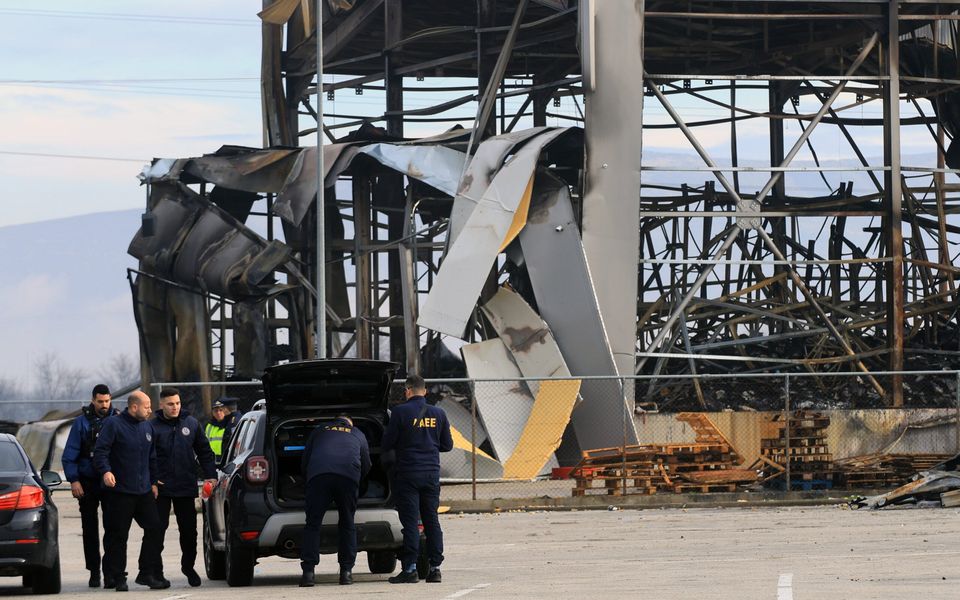
The owner of a cookie factory in Trikala, central Greece, where a deadly explosion claimed five workers’ lives last month, has requested a one-day postponement of his testimony before an investigative magistrate. The defendant is scheduled to return to court at 1 p.m. on Wednesday for his second appearance regarding the Trikala factory explosion, following the upgrading of charges against him from a misdemeanor to a felony.
The factory owner initially faced charges of negligent homicide, explosion, negligent arson, and bodily harm following his arrest on January 27. However, prosecutors upgraded the primary charge to homicide with possible intent last week, significantly increasing the severity of the case. Two other individuals, including the factory’s safety technician and shift supervisor, were also arrested in connection with the incident.
Trikala Factory Explosion Leads to Multiple Closures
Meanwhile, authorities have sealed a second facility owned by the same company. Regional authorities in Thessaly ordered the closure of Vitafree, another cookie factory belonging to Violanta’s parent company, on Monday after the business failed to provide required fire protection certificates during an inspection.
According to state-run broadcaster ERT, the inspection took place last Thursday and was announced in advance. The company was given 24 hours to present the necessary certifications and fire safety studies, but no documents were submitted by the deadline.
Safety Concerns Prompt Regulatory Action
The sealing of the second factory underscores growing concerns about workplace safety standards at facilities operated by the company. Regulatory authorities have intensified scrutiny of industrial sites following the fatal explosion that occurred in late January. The incident has raised questions about enforcement of fire protection regulations and safety protocols in manufacturing facilities across the region.
Additionally, the upgrade of charges against the factory owner reflects prosecutors’ assessment that the deaths may have resulted from more than simple negligence. Homicide with possible intent carries significantly heavier penalties than negligent homicide under Greek law. This distinction suggests investigators have uncovered evidence indicating a higher degree of culpability in the workplace tragedy.
The investigation into the Trikala factory explosion continues to examine potential violations of safety regulations and fire protection standards. Authorities are reviewing whether proper safety measures were in place at the time of the incident and whether management adequately addressed known risks. The case has drawn attention to enforcement gaps in occupational safety oversight within Greece’s industrial sector.
Legal Proceedings Continue for Factory Owner
In contrast to the initial misdemeanor charges, the felony upgrade means the factory owner now faces the possibility of substantial prison time if convicted. The postponement request granted on Tuesday allows the defendant additional time to prepare his defense against the more serious allegations. Legal experts note that homicide with possible intent requires prosecutors to demonstrate awareness of risk beyond ordinary negligence.
Furthermore, the bodily harm charges relate to survivors of the explosion who sustained injuries during the incident. The explosion and negligent arson charges address the physical damage to the facility and the circumstances that led to the fire. Each charge carries distinct legal implications and potential penalties under Greek criminal law.
The factory owner’s testimony on Wednesday will mark a critical juncture in the legal proceedings, as investigators seek to understand the decisions and conditions that preceded the deadly explosion. The outcome of this hearing may influence whether the case proceeds to trial and what additional evidence prosecutors pursue. Authorities have not indicated when they expect to complete the investigation or bring formal charges before a court.

Follow Live Media News on Google News
Get Live Media News headlines in your feed — and add Live Media News as a preferred source in Google Search.
Stay updated
Follow Live Media News in Google News for faster access to breaking coverage, reporting, and analysis.
- Search any trending topic on Google (for example: Greece news).
- On the results page, find the Top stories section.
- Tap Preferred sources and select Live Media News.