


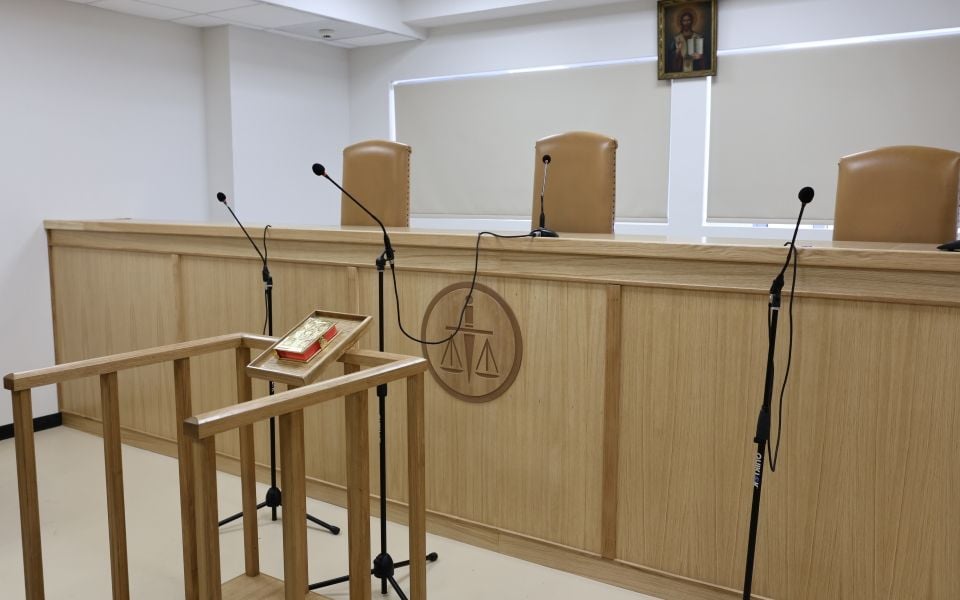
A criminal court in Thessaloniki has convicted two former municipal officials of breach of trust for failing to protect public land in Halkidiki, northern Greece. The breach of trust conviction on Tuesday targeted an ex-mayor and a former legal adviser of the Municipality of Sithonia, who were found guilty of neglecting their duty to defend municipal property against adverse possession claims, according to court officials.
The case centers on a 10-hectare municipally owned property located in Sykia, a prominent village and tourist destination in Halkidiki. According to the Athens-Macedonian News Agency, neighboring landowners attempted to claim portions of the municipal plot through adverse possession procedures.
Financial Damage and Criminal Charges
Prosecutors argued that the two officials failed to employ available legal mechanisms to contest the ownership claims and safeguard municipal assets. The financial damage inflicted on the municipality as a result of their inaction exceeded €150,000, elevating the offense to the status of a serious felony under Greek law.
The breach of trust charges reflect the significant responsibility placed on public officials to protect state and municipal property. In Greece, adverse possession allows individuals to claim ownership of land they have occupied for extended periods, making timely legal defense essential for municipalities.
Defense Arguments and Court Sentencing
During the trial, the former mayor rejected allegations of intentional wrongdoing in the breach of trust case. He told the court that determining whether private individuals were encroaching on municipal land was challenging and acknowledged potential negligence while denying criminal intent.
However, the court found both defendants guilty and imposed seven-year prison sentences on each of the former municipal officials. The severity of the sentences reflects the substantial financial harm caused to public resources and the deliberate failure to act in defense of community assets.
Nevertheless, both sentences have been suspended pending appeal, meaning the convicted officials will remain free while their legal teams challenge the verdict in a higher court. This suspension is standard procedure in the Greek judicial system for certain categories of offenses when defendants file appeals.
Implications for Municipal Governance
The conviction sends a strong message about accountability in municipal administration across Greece. Local government officials are expected to exercise due diligence in protecting public property, particularly in areas with high tourism value and real estate pressure like Halkidiki.
Additionally, the case highlights the risks municipalities face from adverse possession claims in popular tourist regions where land values are substantial. The €150,000 financial loss represents a significant blow to municipal resources that could have been allocated to public services and infrastructure.
Meanwhile, the conviction raises questions about oversight mechanisms within Greek municipalities and whether adequate systems exist to ensure officials fulfill their legal obligations. The failure to contest the ownership claims suggests potential gaps in administrative procedures or insufficient monitoring of municipal assets.
In contrast to typical corruption cases involving bribes or embezzlement, this breach of trust prosecution focuses on passive negligence and failure to act. Such cases are less common but equally important in establishing standards for public service performance and protecting taxpayer interests.
The outcome of the appeal process remains uncertain, and authorities have not confirmed when appellate proceedings will commence. Legal experts suggest the suspended sentences could be reduced, confirmed, or potentially overturned depending on the arguments presented and judicial review of the evidence regarding the officials’ intent and responsibilities in defending municipal land.

Follow Live Media News on Google News
Get Live Media News headlines in your feed — and add Live Media News as a preferred source in Google Search.
Stay updated
Follow Live Media News in Google News for faster access to breaking coverage, reporting, and analysis.
- Search any trending topic on Google (for example: Greece news).
- On the results page, find the Top stories section.
- Tap Preferred sources and select Live Media News.