


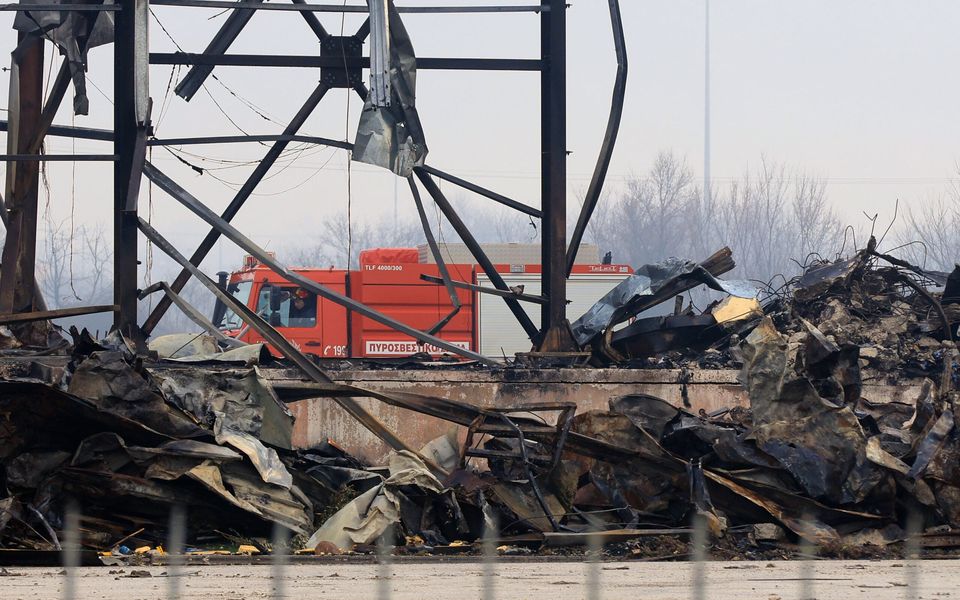
Workers at the Violanta biscuit factory in Trikala, Greece, have testified that they were instructed by management to conceal concerns about gas odors in the weeks leading up to a deadly explosion. A 10-year employee told fire investigators he had detected a smell resembling liquefied petroleum gas for at least two months prior to the incident, according to testimony gathered during the ongoing investigation into the factory explosion.
The worker, who served as an unlicensed plumber at the facility, reported that the gas-like odor was strongest in restrooms and the dishwashing area of Building 2. He further testified that management was aware of the situation and allegedly instructed him to attribute the smell to septic tanks “until we see what has happened,” the investigation revealed.
Safety Concerns Raised Before Factory Explosion
Multiple employees corroborated the plumber’s account, describing a persistent odor that differed markedly from typical sewage smells. According to witness statements, the smell was severe enough to cause eye irritation. The plumber also noted that gas pressure loss had occurred in the factory’s ovens, though he maintained that repairing such issues fell outside his assigned responsibilities.
The testimony paints a troubling picture of workplace safety protocols at the Violanta facility. These revelations have intensified scrutiny of the company’s management practices and adherence to industrial safety standards in the aftermath of the explosion.
Critical Safety Equipment Was Disabled
Additionally, a mechanical engineer provided testimony indicating that essential safety mechanisms had been compromised. The engineer told investigators that a critical safety valve had been disconnected, which prevented gas detectors from automatically shutting off the gas supply in the event of a leak. This malfunction would have eliminated a key layer of protection designed to prevent exactly the type of catastrophic incident that occurred.
The disconnection of safety equipment raises serious questions about regulatory compliance and oversight at the factory. Industrial facilities handling flammable gases are typically required to maintain multiple redundant safety systems to protect workers and prevent disasters.
Authorities Expand Investigation Into Factory Safety
Meanwhile, authorities have taken enforcement action against related facilities. Inspectors suspended operations at a Vitafree unit due to missing safety certificates, according to reports. The suspension demonstrates that regulatory concerns extend beyond the immediate explosion site and may involve broader systemic issues within the company’s operations.
The investigation continues as authorities work to piece together the sequence of events that led to the deadly factory explosion. Fire investigators are examining whether management’s alleged instructions to workers constituted obstruction of safety protocols or potential negligence. The testimony about disconnected safety valves and ignored gas odors suggests possible violations of occupational safety regulations.
Wider Implications for Industrial Safety
In contrast to standard safety procedures, the alleged cover-up instructions represent a serious breach of workplace protection standards. Employers are legally required to address hazardous conditions promptly and transparently rather than concealing them from workers or authorities. The Violanta case may prompt regulatory agencies to conduct wider reviews of safety compliance at similar industrial facilities across Greece.
However, the full scope of management’s knowledge and decision-making remains under investigation. Authorities have not confirmed whether criminal charges will be filed or what administrative penalties may be imposed on the company.
Investigators are expected to complete their technical analysis of the explosion site in the coming weeks, though authorities have not announced a specific timeline for concluding the investigation or releasing final findings. The outcome may determine whether additional safety regulations will be implemented for food manufacturing facilities handling gas systems.

Follow Live Media News on Google News
Get Live Media News headlines in your feed — and add Live Media News as a preferred source in Google Search.
Stay updated
Follow Live Media News in Google News for faster access to breaking coverage, reporting, and analysis.
- Search any trending topic on Google (for example: Greece news).
- On the results page, find the Top stories section.
- Tap Preferred sources and select Live Media News.