


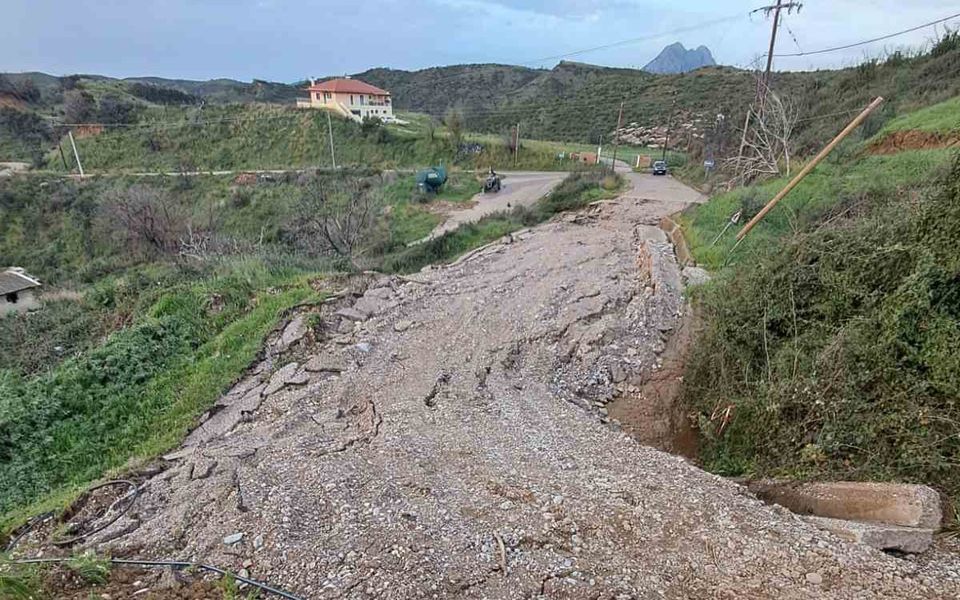
Severe weather in Greece continued to wreak havoc across multiple regions on Tuesday, with a third consecutive wave of intense rainfall triggering widespread landslides and evacuations. Western Greece bore the brunt of the extreme weather conditions, as hillside communities were forced to flee and critical infrastructure sustained major damage. The persistent storms have overwhelmed already vulnerable areas, prompting emergency responses and urgent government intervention.
Two settlements on Mount Taygetos were evacuated after buildings and roads collapsed under the pressure of relentless rainfall. The settlement of Machalas in Alagonia experienced the most severe damage, according to local reports, with yard walls crumbling and roadways suffering extensive destruction.
Greece Landslides Affect Island Communities and Transportation Networks
The island of Corfu faced significant challenges as landslides and ground subsidence created widespread problems across the road network. The damage has severely impacted mobility and access throughout the island, leaving residents and authorities scrambling to assess the full extent of the destruction.
On Wednesday, the regional governor of the Ionian Islands is scheduled to travel to Athens alongside three mayors from Corfu to meet with Deputy Minister for Climate Crisis Kostas Katsafados. The meeting at the Ministry of Climate Crisis and Civil Protection will focus on discussing possible interventions and securing immediate funding for affected areas.
Multiple Regions Report Infrastructure Damage
In the Epirus region, the town of Agnanta recorded multiple landslides resulting from intense rainfall. However, authorities have described the situation there as currently controlled, according to local accounts. Emergency crews continue to monitor the area for any further ground movement.
Meanwhile, the Louros area witnessed continuous heavy rains that caused river levels to surge dramatically. The rising waters transformed the surrounding plain into what observers described as a “lake,” submerging agricultural land and threatening nearby communities.
In Ilia, the village of Mazaraki in the municipality of Ilida remained completely cut off due to a massive landslide triggered by the severe weather. The landslide front exceeded 700 meters in length, beginning at the entrance to the settlement and effectively blocking all access routes. Residents have been left isolated as authorities work to determine the safest approach to restoration.
Emergency Response and Safety Measures
Authorities are monitoring affected zones closely and have issued warnings to residents to avoid areas impacted by landslides and flooding. Emergency crews are standing by to provide assistance as soon as safe access can be restored to isolated communities. The coordinated response reflects growing concerns about the cumulative impact of three consecutive waves of severe weather.
Additionally, the repeated storms have raised questions about infrastructure resilience and climate adaptation measures in vulnerable regions. The concentration of damage in western Greece highlights the particular susceptibility of mountainous and coastal areas to extreme rainfall events. Climate experts have not yet confirmed whether these events are linked to broader climate patterns.
In contrast to previous isolated weather events, the sustained nature of this third wave has compounded existing damage and stretched emergency resources thin. Local governments have emphasized the urgent need for national support to address both immediate safety concerns and longer-term infrastructure rehabilitation.
The Wednesday meeting between regional officials and the Deputy Minister for Climate Crisis is expected to produce concrete commitments for emergency funding and intervention strategies. However, authorities have not confirmed specific timelines or amounts for potential assistance, leaving affected communities uncertain about the pace of recovery efforts.

Follow Live Media News on Google News
Get Live Media News headlines in your feed — and add Live Media News as a preferred source in Google Search.
Stay updated
Follow Live Media News in Google News for faster access to breaking coverage, reporting, and analysis.
- Search any trending topic on Google (for example: Greece news).
- On the results page, find the Top stories section.
- Tap Preferred sources and select Live Media News.