


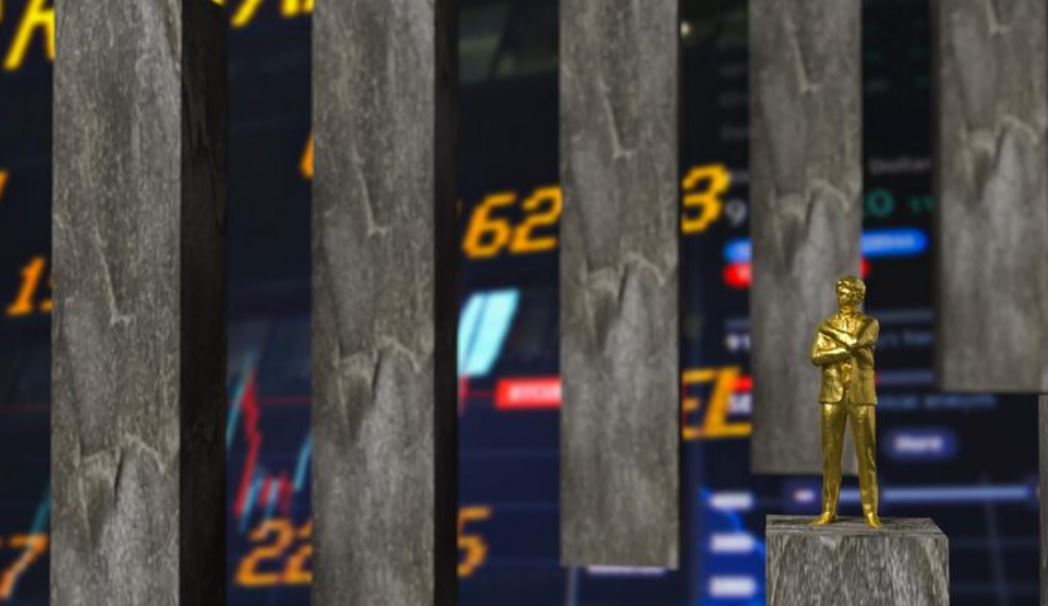
You can almost feel the change when you pass the Athens Stock Exchange building on Athinon Avenue. The lobby still has the same polished floors, the same ticker, and the same atmosphere of an overly worn-out institution. However, the individuals entering and leaving are now different. More accents from other countries. There are more suits with luggage tags from Frankfurt and Paris. The ownership structure and the type of attention the location draws have both changed as a result of the Euronext acquisition. The majority of what you need to know about why this rally feels different can be found in this small, easily overlooked detail.
The figures are useful. The average daily turnover increased from €240 million to €299 million in 2026. That increase is more significant than the index points themselves for a market that was written off for more than ten years as being too thin and too reliant on local sentiment. In addition to being the dull center of any market narrative, liquidity also plays a crucial role in determining whether big institutional investors can take actual positions without frightening the tape. Speaking with traders in Athens, there’s a feeling that the bourse has at last surpassed a level it hadn’t attained prior to the bailout years.
| Exchange Name | Athens Stock Exchange (ATHEX) |
| General Index Close (Apr 23, 2026) | 2,234.68 points (+0.23%) |
| FTSE-25 Large-Cap Index | 5,675.52 points (+0.19%) |
| Mid-Cap Performance | +0.85% on the same session |
| 2026 Avg. Daily Turnover | €299 million (vs €240 million avg in 2025) |
| Parent Group | Euronext, Europe’s largest stock exchange operator |
| Estimated Passive Inflows on FTSE Upgrade | Around $400 million (CHANGE Global Investment estimate) |
| Hellenic Asset Management Inflow Range | $250 million to $1 billion |
| Recent Rating Move | Moody’s lifted Greek government bonds to investment grade |
| Cyprus Stock Exchange (Same Day) | 286.81 points (+0.01%) |
| Key Sectors Drawing Flows | Banks, energy, construction, infrastructure |
The team at HSBC Global Private Banking and a few independent strategists at Hellenic Asset Management are among the analysts who saw the early indications of the post-crisis recovery, and they suggest a different combination of catalysts this time. The previous rally, which continued into 2024 and 2025, was mostly caused by Greek banks getting rid of bad loans from the past. The trade has developed. Structural factors are currently driving the situation. Greek stocks were placed back on a list that they had not been on for years thanks to the FTSE Russell developed market upgrade. Sovereign bonds were upgraded to investment grade by Moody’s. Additionally, local exchanges lack a distribution machine that Euronext brought with them.
Banks remains in the midst of the narrative. During the Thursday session, Piraeus gained 1.31%. The Bank of Cyprus gained 0.65%. The fact that the rally isn’t moving in unison indicates that fund managers are picking rather than chasing, which is a positive indication in and of itself. Alpha and National had a harder day. As this develops, it’s difficult to avoid drawing comparisons to comparable times in markets like Ireland following its own crisis or Portugal in the middle of the 2010s. The rhythm rhymes, but the pattern isn’t exactly the same. A protracted period of quiet recovery, followed by a moment of recognition from overseas investors and a second leg that is primarily driven by index rebalancing rather than valuations.
Nevertheless, there is still a lot of skepticism. The Middle East situation has kept European markets cautious, unlike American and Asian indices, and the S&P credit rating verdict has been a frequent source of anxious chatter. Leading the gains are mid-caps, which some see as late-cycle behavior and others as healthy breadth. Both readings might be partially accurate. The question for the future is whether ATHEX can maintain its momentum in the face of a global slowdown or if it is still susceptible to the kinds of headline shocks that have derailed previous recoveries.
The political context is intriguing. Together, European investors own nearly $8 trillion in US assets, and as Washington’s policy decisions become more uncertain, a gradual shift back toward Europe appears to be in progress. Almost by coincidence, Greece has benefited. It is now technically integrated into Euronext’s pipes, has a smaller market, and is simpler to reposition in. This time, the rally seems to be more about a European narrative being rewritten through Athens than it is about a Greek one. It’s another matter entirely whether the locals in Kolonaki who are having lengthy lunches notice or care. After all, markets seldom keep pace with the cities they are named after.

Follow Live Media News on Google News
Get Live Media News headlines in your feed — and add Live Media News as a preferred source in Google Search.
Stay updated
Follow Live Media News in Google News for faster access to breaking coverage, reporting, and analysis.
- Search any trending topic on Google (for example: Greece news).
- On the results page, find the Top stories section.
- Tap Preferred sources and select Live Media News.