


The small black Fire TV Stick plugged into the back of a television rarely attracts attention. It sits quietly behind the screen, warming slightly after hours of streaming. Yet Amazon has been steadily reshaping the ecosystem around it. The latest example arrives not in the hardware itself, but in the redesigned Fire TV mobile app — a tool that, until recently, many people only opened when the remote control vanished between sofa cushions.
Something about that simple reality seems to have nudged Amazon’s engineers. Millions were using the app as a backup remote, but little else. The company appears to have looked at that behavior and asked a simple question: what if the phone became part of the viewing experience rather than just an emergency tool?
| Category | Details |
|---|---|
| Product | Amazon Fire TV Mobile App |
| Developer | Amazon |
| First Released | 2014 |
| Platform | iOS, Android |
| Key Update | Second-screen browsing, watchlist management, redesigned interface |
| Compatible Devices | Fire TV Stick, Fire TV TVs, Fire OS devices |
| Global Fire TV Users | 300+ million devices worldwide |
| Price | Free download |
| Official Website | https://www.amazon.com/firetv |
The new version of the Fire TV mobile app attempts exactly that. At first glance the redesign looks cosmetic — softer icons, smoother navigation, a layout that mirrors the Fire TV interface itself. But after a few minutes of tapping around the menus, there’s a sense that Amazon is quietly shifting how viewers interact with streaming platforms.
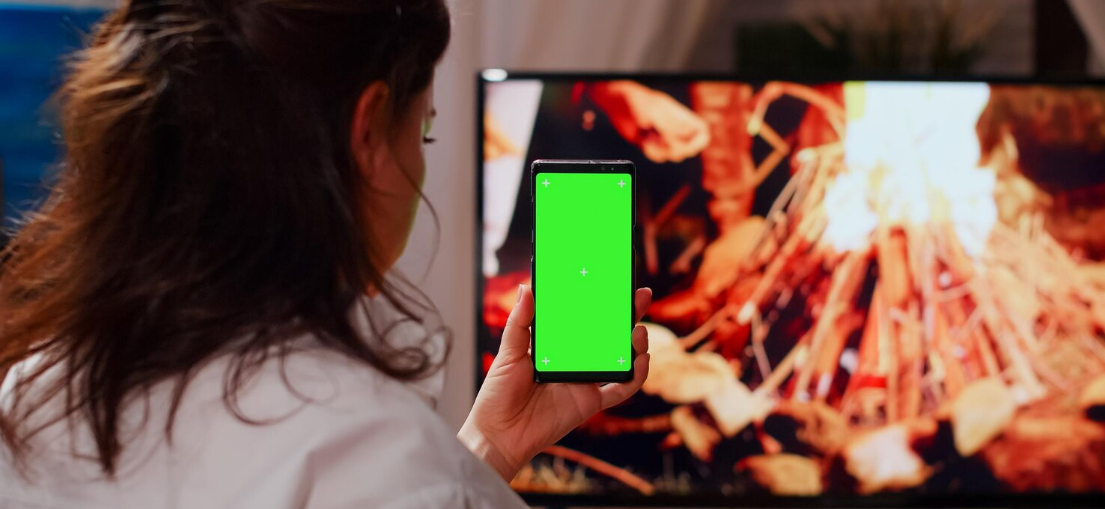
The biggest change is the transformation of the phone into what Amazon calls a “second screen.” In practice this means users can browse shows, search movies, manage watchlists, and launch content directly from their smartphone while the TV keeps playing. Sitting on a sofa with a phone in hand — a familiar posture in modern living rooms — suddenly becomes part of the Fire TV workflow.
Watching this unfold, it’s hard not to notice how natural the idea feels. Many people already scroll through their phones while watching television. Amazon seems to be leaning into that habit rather than fighting it. Whether that will deepen engagement with its platform is still unclear, but the logic feels straightforward.
There’s also the matter of speed. Amazon claims the rebuilt app runs roughly 20 to 30 percent faster than before. That improvement comes from reworking the underlying code rather than simply refreshing the design. Navigating menus now feels smoother, with fewer moments of hesitation between taps. It’s a subtle change, but small delays often shape whether an app feels pleasant or frustrating.
One afternoon in a typical living room illustrates the difference. A user scrolling through recommendations on their phone can add a show to a watchlist instantly. Later that evening, walking back into the room, the same show appears waiting on the television screen. The experience feels less like controlling a device and more like continuing a conversation with it.
The redesign also aligns with a broader update coming to Fire TV hardware interfaces later this year. Both the app and the TV menus share the same rounded edges, colorful gradients, and spacing. The consistency suggests Amazon is trying to create a seamless ecosystem, though there’s a hint of corporate ambition beneath the surface. Companies like Apple and Google have long pursued similar cross-device harmony.
Another feature quietly tucked into the update is expanded control over apps and shortcuts. Users can now pin up to twenty streaming apps on the Fire TV home screen, far more than the previous limit of six. That small change might matter more than it sounds. Streaming households often juggle Netflix, Disney+, Prime Video, sports services, and niche platforms, turning television menus into cluttered mazes.
Of course, Amazon’s timing is interesting. The company has been tightening restrictions on illegal streaming apps used on modified Fire TV Sticks. Recently, attempts to install certain piracy-related apps have triggered a blunt message: installation blocked due to unlicensed content. The crackdown sits in the background of this friendly new mobile update, reminding viewers that convenience and control often travel together.
There’s also the looming role of Alexa. In some regions, Amazon’s upgraded AI assistant — Alexa+ — is already being woven into Fire TV devices. Viewers can ask the system for recommendations based on mood, actors, or genre. It’s possible that, over time, the mobile app will become another gateway for that voice-driven discovery.
Still, questions linger. Streaming platforms already compete for attention in crowded households. Adding another layer — the phone as a second screen — could either simplify the experience or complicate it. Human habits are unpredictable that way.
Yet there’s something quietly clever about the direction Amazon is taking. Instead of inventing a brand-new device, the company is repurposing the one people already hold in their hands all evening.
The Fire TV Stick may remain hidden behind the television. But the smartphone beside it — glowing softly on the coffee table — is becoming part of the story.

Follow Live Media News on Google News
Get Live Media News headlines in your feed — and add Live Media News as a preferred source in Google Search.
Stay updated
Follow Live Media News in Google News for faster access to breaking coverage, reporting, and analysis.
- Search any trending topic on Google (for example: Greece news).
- On the results page, find the Top stories section.
- Tap Preferred sources and select Live Media News.