


Ford is preparing to launch an affordable electric truck next year with a starting price of $30,000, aiming to compete directly with Chinese automakers while maintaining profitability. The company announced Tuesday that the affordable EV truck will leverage innovative manufacturing techniques including 3D-printed components, Formula 1 engineering expertise, and an internal efficiency bounty program to achieve this ambitious price target.
The announcement comes as Ford seeks to recover from a $19.5 billion financial hit in December and the discontinuation of its battery-electric F-150 Lightning production. The automaker’s new EV strategy centers on making electric vehicles accessible to a broader customer base without sacrificing profit margins.
Universal Platform Powers Affordable EV Strategy
According to Ford, the new affordable electric truck will be built on a Universal EV Platform that the company has been developing through a skunkworks team led by Alan Clarke, a 12-year Tesla veteran. This platform represents Ford’s first “clean sheet” electric vehicle design built from the ground up, marking a strategic departure from previous EVs like the Mustang Mach-E and Lightning that utilized existing infrastructure.
The Universal EV Platform will initially underpin the midsized truck before potentially supporting additional vehicle types including sedans, crossovers, three-row SUVs, and small commercial vans. Clarke stated in a media briefing that the platform “is built around efficiency” and “affordability to be able to make long-range electric vehicle travel affordable to more people.”
Formula 1 Expertise Drives Aerodynamic Innovation
Ford assembled a specialized team of approximately 450 people in Long Beach, California, and 200 in Palo Alto, drawing talent from Formula 1, Apple, Lucid Motors, Rivian, and Tesla. Additionally, the team includes engineers from Auto Motive Power, a startup Ford acquired in 2023 to enhance its charging technology capabilities.
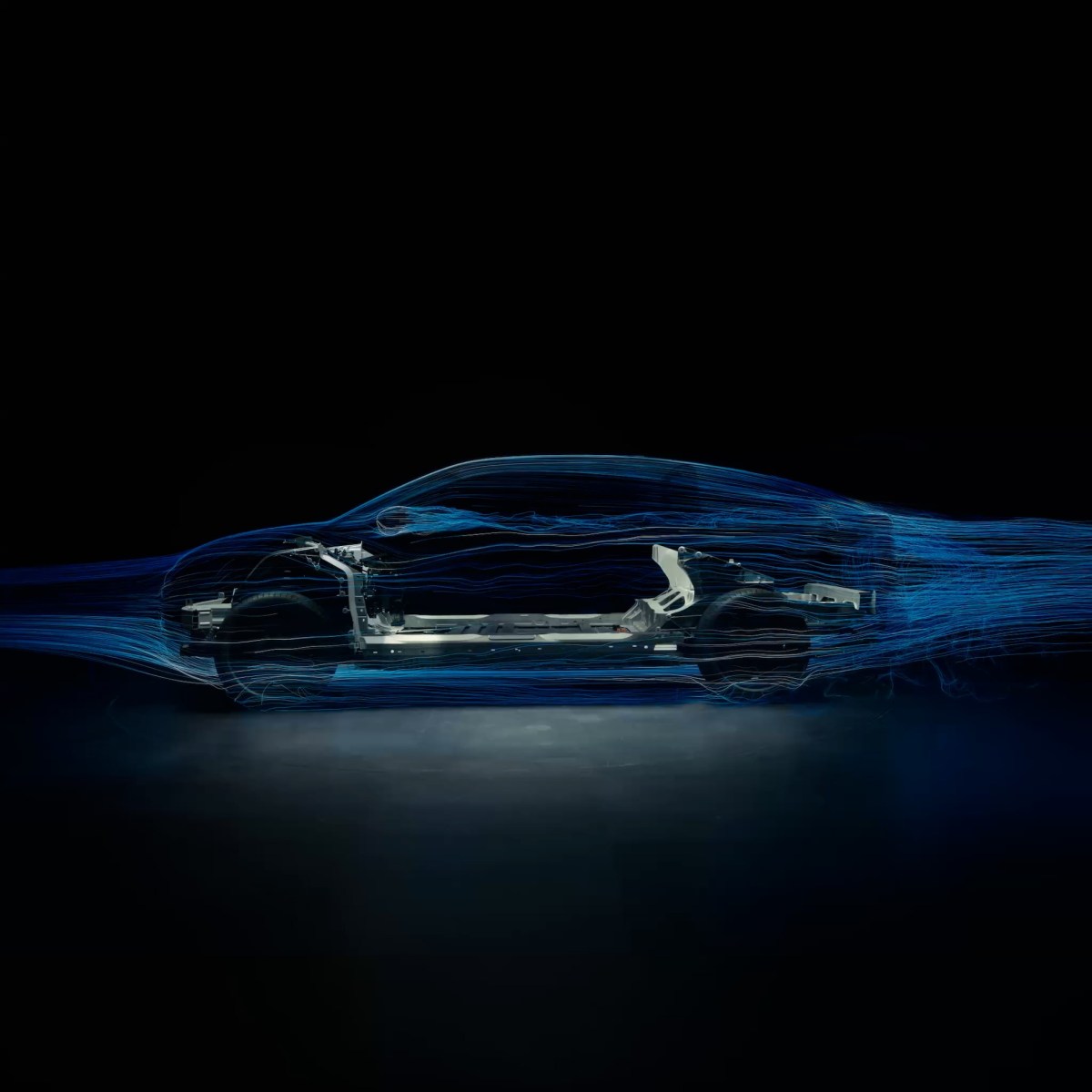
The former Formula 1 engineers utilized 3D-printed and machined Lego-like components for rapid prototyping and wind tunnel testing throughout the development process. This approach allowed the team to test aerodynamics early and frequently, rather than waiting until the design was nearly complete as Ford traditionally did.
The result is a midsized EV truck that Ford claims is 15% more aerodynamically efficient than any other pickup truck currently available. However, the company has not yet disclosed specific details about range, features, or charging times for the upcoming vehicle.
Bounty Program Targets Efficiency Gains
Clarke implemented an efficiency-focused bounty program that assigns numerical metrics to every aspect of the Universal EV Platform, including vehicle mass, aerodynamic drag, and individual parts. This system encourages engineers to understand how their daily decisions impact the final product and customer experience.
In practice, Ford might select a more expensive component if it reduces overall vehicle weight and improves efficiency. Clarke explained that the company has “been very focused on making sure that the cost that we’re moving from the product doesn’t remove value.” For example, even base trim models will feature power-folding mirrors, typically a premium feature, because they decrease aerodynamic drag while using a single motor for both adjustment and folding functions.
Battery and Electronics Architecture Redesign
The focus on efficiency extends to the battery system, which typically accounts for approximately 40% of an electric vehicle’s total cost. By creating a lighter and more efficient vehicle, Ford can utilize a smaller battery pack, reducing overall expenses while maintaining performance.
Clarke indicated the affordable EV truck will deliver about 15% more range than an equivalent gas-powered pickup, approximately 50 additional miles. Meanwhile, Ford has adopted manufacturing techniques popularized by Tesla, including aluminum unicastings and transitioning from a 12-volt to a 48-volt power system for certain vehicle functions.
The company also restructured the vehicle’s electronic architecture using a zonal approach similar to Tesla and Rivian. Instead of distributing dozens of electronic control units throughout the vehicle, Ford consolidated multiple functions into five main modules, according to Luccas Di Tullio, a software engineer who previously worked at Auto Motive Power.
This consolidation reduced the wire harness length by 4,000 feet and weight by 22 pounds compared to Ford’s first-generation electric vehicles. Di Tullio noted the same philosophy extended to power electronic components, with a single module managing power distribution, battery management, and providing AC power to homes during outages.
Software Control and Future Flexibility
Ford developed proprietary software for the five main electronic control units down to the application layer, giving the company complete control over vehicle functions beyond infotainment. Clarke emphasized that because Ford owns the software to the lowest level, it becomes highly portable across different vehicle types on the platform.
The company invested $2 billion in its Louisville factory last August, abandoning Henry Ford’s traditional moving assembly line for a new production system expected to accelerate manufacturing by 15%. The factory will produce vehicles using lithium iron phosphate batteries with technology licensed from Chinese manufacturer CATL.
Ford has not announced a specific launch date for the $30,000 electric truck beyond confirming it will arrive next year. The company also has not disclosed whether the ambitious price point and profit margin targets will withstand current market conditions and supply chain challenges.

Follow Live Media News on Google News
Get Live Media News headlines in your feed — and add Live Media News as a preferred source in Google Search.
Stay updated
Follow Live Media News in Google News for faster access to breaking coverage, reporting, and analysis.
- Search any trending topic on Google (for example: Greece news).
- On the results page, find the Top stories section.
- Tap Preferred sources and select Live Media News.