


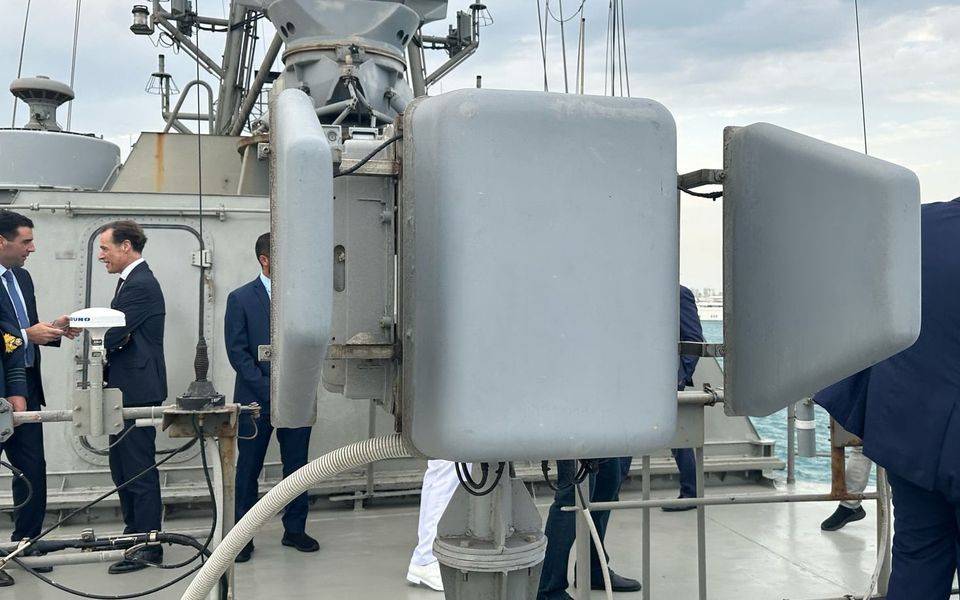
Bulgaria has expressed strong interest in acquiring more than 100 Greek anti-drone systems known as “Centaur” through the European SAFE regulation framework, according to recent reports. The Centaur system, developed by Hellenic Aerospace Industry (HAI), represents Greece’s growing presence in the European defense technology sector. This potential deal highlights increasing demand for anti-drone capabilities as unmanned aerial threats continue to evolve across military and civilian domains.
Additionally, Cyprus is considering purchasing the Greek anti-drone system to safeguard critical infrastructure and integrate it with its recently acquired Barak MX defense platform. The interest from both Bulgaria and Cyprus underscores the strategic importance of counter-drone technology in regional security planning.
Evolution of the Greek Anti-Drone System
The Centaur was originally designed as a ground-based anti-drone defense platform by Hellenic Aerospace Industry. However, the system underwent significant modifications following emergency operations in the Red Sea, where naval vessels required enhanced protection against unmanned aerial threats. This operational experience drove the adaptation of the technology for maritime deployment.
Currently, two of Greece’s four MEKO frigates are equipped with the anti-drone system. Furthermore, the Hellenic Navy plans to install the Centaur on four FDI frigates, expanding its naval counter-drone capabilities across the fleet. This deployment strategy reflects the growing recognition of drone threats in modern naval warfare.
Technical Capabilities and Upgrades
HAI is developing an upgraded version of the Centaur featuring enhanced detection and neutralization capabilities. According to available information, the new iteration will include active radar systems with an operational range of 40 kilometers. This extended detection range significantly improves early warning capabilities against incoming drone threats.
Moreover, the enhanced anti-drone system will incorporate potential “hard kill” kinetic methods as a final layer of defense. These kinetic options would activate if primary electronic jamming countermeasures fail to neutralize the threat. The multi-layered approach provides redundancy and increases the overall effectiveness of the defense system.
European Defense Cooperation Framework
Bulgaria’s interest in procuring the system through the European SAFE regulation demonstrates the increasing integration of European defense acquisition mechanisms. The SAFE framework facilitates collaborative defense purchases among European Union member states, promoting interoperability and shared capabilities. This approach allows smaller nations to access advanced defense technologies while supporting European defense industries.
Meanwhile, the potential deals with Bulgaria and Cyprus could establish Greece as a significant exporter of counter-drone technology within Europe. The Hellenic Aerospace Industry’s success in developing and deploying the Centaur positions Greek defense manufacturers competitively in the growing anti-drone market. European nations face mounting pressure to develop indigenous solutions to unmanned aerial threats rather than relying solely on non-European suppliers.
Growing Counter-Drone Market
The interest from multiple countries reflects broader trends in military procurement priorities worldwide. Drone warfare has fundamentally transformed modern conflicts, as demonstrated in Ukraine, the Middle East, and other theaters. Consequently, nations are investing heavily in systems capable of detecting, tracking, and neutralizing unmanned aerial vehicles of various sizes and capabilities.
In contrast to traditional air defense systems designed for manned aircraft and missiles, specialized anti-drone systems address unique challenges posed by small, low-flying, and often inexpensive unmanned platforms. The Centaur’s combination of electronic warfare and potential kinetic options addresses this specific threat profile. Critical infrastructure protection has become a priority for Cyprus and other nations facing potential asymmetric threats.
The timeline for finalizing potential contracts with Bulgaria and Cyprus remains unclear, as authorities have not confirmed specific delivery schedules or financial details. Further technical evaluations and negotiations through the European SAFE framework will likely determine the scope and timing of any final agreements.

Follow Live Media News on Google News
Get Live Media News headlines in your feed — and add Live Media News as a preferred source in Google Search.
Stay updated
Follow Live Media News in Google News for faster access to breaking coverage, reporting, and analysis.
- Search any trending topic on Google (for example: Greece news).
- On the results page, find the Top stories section.
- Tap Preferred sources and select Live Media News.