


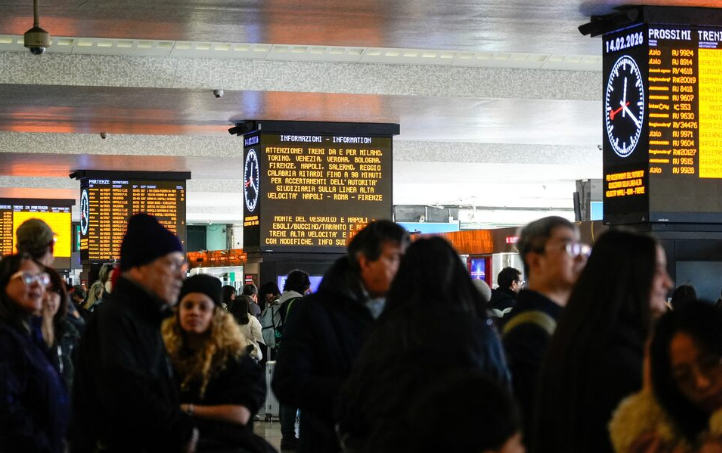
Train services across central Italy experienced significant disruptions on Saturday after suspected sabotage targeted railway infrastructure during the ongoing Winter Olympics. Delays exceeding one hour affected high-speed rail connections between Naples and Rome, as well as routes heading north toward Florence, leaving thousands of passengers stranded at major stations.
The incidents mark the latest in a series of railway sabotage attacks coinciding with the Milan-Cortina d’Ampezzo Winter Olympics, which run from February 6-22. Transport Minister Matteo Salvini condemned the acts as criminal attacks targeting both Italian workers and the nation itself.
Investigation Reveals Deliberate Criminal Activity
Authorities discovered burnt cables on a section of the high-speed line connecting Rome and Naples on Saturday morning. Additionally, investigators identified two other possible acts of vandalism on the Rome-Florence corridor, according to national police reports.
National police confirmed that preliminary investigations indicated these were “definitely criminal acts.” Railway police and political police departments began preparing a comprehensive report to be submitted to Rome prosecutors within hours for the formal opening of a criminal investigation.
Railway Sabotage During Olympics Raises Security Concerns
The Saturday disruptions follow similar railway sabotage incidents that occurred the previous weekend and midweek. Last Saturday, the first full day of the Winter Olympics, rail infrastructure near Bologna sustained damage that caused delays of up to two and a half hours on high-speed, Intercity, and regional services.
An anarchist group claimed responsibility for the Bologna attack, raising concerns about coordinated efforts to disrupt transportation during the international sporting event. However, authorities have not confirmed whether the same group is behind the subsequent incidents.
Minister Condemns Attacks on Critical Infrastructure
In a statement, Minister Salvini emphasized the severity of the railway sabotage, calling them “hateful criminal acts aimed at workers and at Italy.” He expressed hope that no one would downplay or attempt to justify these crimes, noting they put lives at risk.
The repeated targeting of Italy’s railway network during the Olympics has highlighted vulnerabilities in critical transportation infrastructure. Meanwhile, security forces have intensified monitoring of rail lines and key transportation hubs throughout the country.
Impact on Transportation and Olympic Visitors
The disruptions have affected both domestic travelers and international visitors attending Olympic events in Milan and Cortina d’Ampezzo. Italy’s high-speed rail network typically serves as a crucial link between major cities and the Alpine venues hosting Winter Games competitions.
Additionally, the attacks have strained resources as railway operators work to maintain service reliability while authorities investigate the criminal acts. The combination of increased Olympic-related travel and security concerns has created operational challenges for Italy’s transportation system.
Prosecutors are expected to formally open a criminal investigation in the coming days based on evidence gathered by railway and political police units. The outcome of the investigation may determine whether enhanced security measures will be implemented on Italy’s rail network for the remainder of the Olympics, though authorities have not yet announced specific timelines or additional protective protocols.

Follow Live Media News on Google News
Get Live Media News headlines in your feed — and add Live Media News as a preferred source in Google Search.
Stay updated
Follow Live Media News in Google News for faster access to breaking coverage, reporting, and analysis.
- Search any trending topic on Google (for example: Greece news).
- On the results page, find the Top stories section.
- Tap Preferred sources and select Live Media News.