


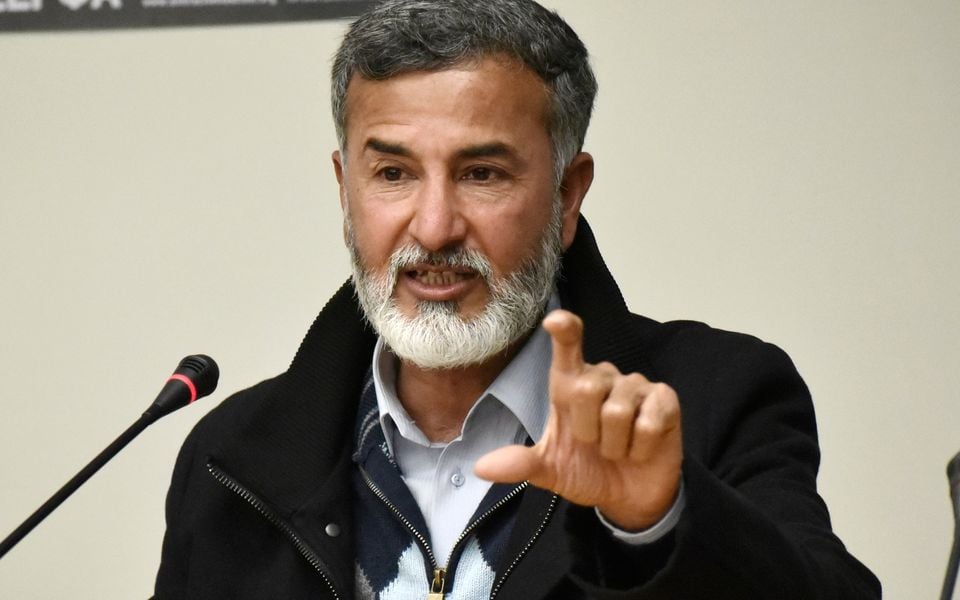
Greek authorities have initiated proceedings to revoke the asylum status of Javed Aslam, a prominent Pakistani community leader in Athens, as part of an expanded government review of international protection cases. The move against Aslam, who has headed the Pakistani Unity Organization since the mid-2000s and lived in Greece for approximately 30 years, was reported Monday as part of a broader crackdown on asylum revocations.
According to the Migration Ministry, 33 third-country nationals from Syria, Pakistan, Egypt, and Iraq have had asylum revocation procedures initiated against them in the past two weeks alone. The review follows a directive by Migration Minister Thanos Plevris to reassess existing asylum files under stricter criteria.
Background on Asylum Status Revocation in Greece
Aslam has been a visible figure in Greek civil society, advocating for labor rights, anti-racism initiatives, and immigration reform. He has frequently appeared in Greek media and participated in public demonstrations addressing migrant issues. However, some of his public statements have drawn criticism from conservative groups, particularly remarks made during an anti-racism rally about migrants being willing to defend themselves against threats.
Additionally, in 2007, Greece’s Council of Appeals Court judges unanimously rejected Pakistan’s request to extradite him to Islamabad on human-trafficking charges. His long presence in Greece and advocacy work have made him a well-known representative of the Pakistani community in Athens.
Legal Process and Timeline
The Asylum Service has officially notified Aslam of the planned revocation and granted him 15 working days to submit written objections before a final decision is issued, according to reports. If he contests the decision, he maintains the right to file an appeal, which would trigger a second-instance review of his case under Greek law.
Meanwhile, the ministry emphasized that asylum revocation in Greece can occur under three specific circumstances. Protection may be withdrawn if an individual is deemed a threat to national security, considered a danger to society following a final criminal conviction, or if conditions in their country of origin have improved significantly enough that international protection is no longer justified.
Sharp Increase in Greece Asylum Revocations
Official data reveal a dramatic shift in Greece’s asylum policy enforcement in recent years. Between 2013 and 2020, only 19 international protection statuses were revoked across the entire period. In contrast, 583 revocations occurred between 2021 and 2025, representing a more than 30-fold increase.
The acceleration has been particularly pronounced in the past year. In 2025 alone, authorities recorded 196 revocations—far exceeding the total for the entire 2013-2020 period. The ministry reported that an additional 47 asylum revocation cases have already been launched in 2026, suggesting the trend will continue.
Policy Context and Implications
The ministry characterized the actions as part of a stricter policy line pursued in recent years regarding international protection. This harder stance on asylum status reflects broader shifts in Greek immigration policy, with authorities conducting more thorough reviews of existing protection grants.
However, human rights advocates have raised concerns about the rapid increase in revocations and whether all cases receive adequate individual assessment. The cases span multiple nationalities, with migrants from Syria, Pakistan, Egypt, and Iraq among those facing potential loss of protection status.
Aslam’s case is expected to proceed through the standard legal channels, with a final determination pending after the objection period closes. The outcome may set a precedent for other high-profile community leaders holding asylum status in Greece, though authorities have not confirmed the specific grounds for his revocation proceedings.

Follow Live Media News on Google News
Get Live Media News headlines in your feed — and add Live Media News as a preferred source in Google Search.
Stay updated
Follow Live Media News in Google News for faster access to breaking coverage, reporting, and analysis.
- Search any trending topic on Google (for example: Greece news).
- On the results page, find the Top stories section.
- Tap Preferred sources and select Live Media News.