


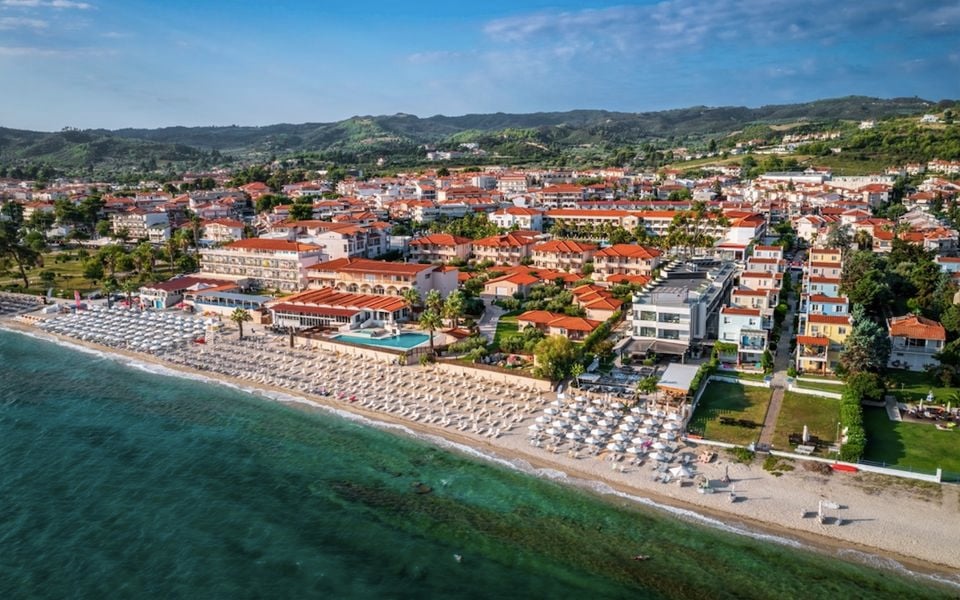
Greek and Serbian police forces will launch joint summer patrols in popular tourist destinations this year, marking an expansion of cross-border law enforcement cooperation. According to Greece’s Citizen Protection Ministry, the collaborative patrols will take place in Halkidiki in northern Greece and the island of Zakynthos, both favored destinations for Serbian visitors seeking Mediterranean holidays.
The ministry announced the initiative on Tuesday following high-level talks in Athens between Greek Citizen Protection Minister Michalis Chryssohoidis and Serbia’s Minister for Interior Affairs, Ivica Dacic. The agreement also includes provisions for Greek officers to conduct reciprocal patrols in Serbia, creating a bilateral exchange program aimed at enhancing security for tourists from both nations.
Enhanced Tourist Safety Through Joint Patrols
The joint patrols represent a growing trend among European nations to deploy mixed police teams in areas with high concentrations of foreign tourists. Serbian officers will work alongside their Greek counterparts to assist Serbian-speaking visitors, help resolve issues, and provide a familiar point of contact for travelers unfamiliar with Greek language and customs.
Halkidiki, with its three distinctive peninsulas and pristine beaches, has long attracted visitors from the Balkans, particularly Serbia. Meanwhile, Zakynthos, known for its dramatic cliffs and crystal-clear waters, has seen increasing numbers of Serbian tourists in recent years, making these locations strategic choices for the police cooperation program.
Broader Security Cooperation Framework
However, the joint patrols initiative represents only one component of a much wider security partnership between Greece and Serbia. According to the ministry statement, discussions between the two ministers covered cooperation against organized crime, migration management, and combating arms trafficking connected to the ongoing conflict in Ukraine.
Additionally, the meeting addressed shared challenges facing both countries as part of the broader Balkan region. Greece serves as a key entry point to the European Union, while Serbia maintains important transit routes, making collaboration on cross-border crime particularly relevant for both nations.
Growing Trend of International Police Partnerships
The Greek-Serbian arrangement follows similar bilateral policing agreements Greece has established with other countries in recent years. These partnerships typically involve officers from nations with significant tourist populations in Greece working temporarily alongside Greek police during peak summer months.
In contrast to traditional consular assistance, the joint patrol model places foreign officers directly on the streets where tourists congregate. This approach allows for immediate language assistance, cultural mediation, and faster response to incidents involving foreign nationals, according to proponents of such programs.
Strategic Timing for Summer Tourism Season
The timing of the announcement reflects preparation for the upcoming Mediterranean tourism season, when Greek islands and coastal regions experience their highest visitor numbers. Serbian tourists represent a growing market segment for Greek tourism, particularly in northern regions geographically closer to Serbia and more accessible by road.
Meanwhile, the reciprocal element of the agreement, which will see Greek officers deployed in Serbia, suggests both countries recognize mutual benefits in protecting their citizens abroad. The ministry statement did not specify which Serbian locations would host Greek officers or provide detailed timelines for deployment.
Authorities have not confirmed specific start dates for the joint patrols or disclosed how many officers from each country will participate in the summer program. Further operational details are expected to be announced as the tourist season approaches and deployment logistics are finalized.

Follow Live Media News on Google News
Get Live Media News headlines in your feed — and add Live Media News as a preferred source in Google Search.
Stay updated
Follow Live Media News in Google News for faster access to breaking coverage, reporting, and analysis.
- Search any trending topic on Google (for example: Greece news).
- On the results page, find the Top stories section.
- Tap Preferred sources and select Live Media News.