


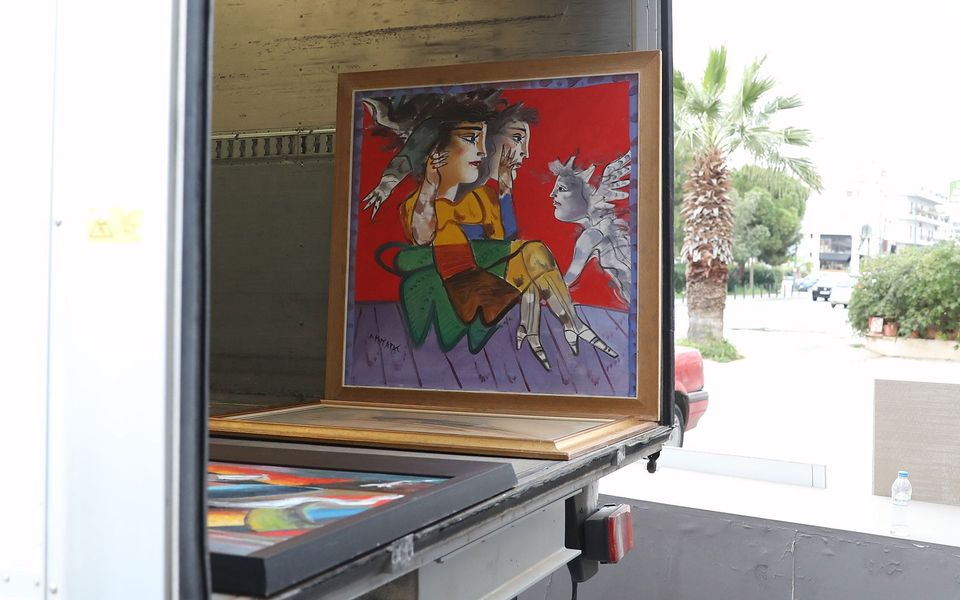
A prominent Greek gallerist accused of art and antiquities fraud was released on bail Tuesday after appearing before an investigating magistrate in Athens. The defendant posted €50,000 bail and was released under strict conditions following raids on his galleries and storage facilities in Elliniko, Kolonaki, and Glyfada, according to court officials.
Authorities imposed a comprehensive set of restrictions on the gallerist, including mandatory monthly police reporting, a travel ban, and a prohibition on buying, selling, or possessing antiquities. He is permitted to handle paintings only if they are accompanied by authenticity certificates.
Art Fraud Charges and Defense
The gallerist faces multiple felony charges stemming from the investigation, including embezzlement of ancient and modern cultural objects, failure to declare monuments, art fraud, and repeated commercial deception. These charges carry significant penalties under Greek law, which provides strong protections for cultural heritage and antiquities.
During his testimony, the defendant denied any wrongdoing and maintained that many of the works in question had been stored in his family’s collections for decades. He insisted that no one had been defrauded through his business operations.
Disputed Venetian Gospel at Center of Case
One focal point of the antiquities fraud investigation involves a 1745 Venetian Gospel that authorities have described as a museum-quality artifact. The gallerist defended his ownership of the rare religious text, stating he obtained it through legal channels and invited archaeology officials to verify its provenance.
Additionally, the defendant suggested he was being targeted because of his professional success. “I have three different galleries and I am being smeared on TV because of my success,” he said during his testimony before the magistrate.
Employee Released Without Conditions
Meanwhile, an employee of the galleries who was accused of handling a stolen antiquity was also brought before the investigating magistrate. However, authorities released the employee without imposing any bail or reporting conditions, suggesting prosecutors view the gallerist as the primary suspect in the art fraud case.
The investigation highlights ongoing concerns about illegal trafficking of cultural heritage objects in Greece, a country with extensive archaeological sites and a rich artistic tradition. Greek authorities have intensified enforcement efforts in recent years to combat the black market trade in antiquities and fraudulent art sales.
Legal Protections for Cultural Heritage
In contrast to many countries, Greece maintains strict regulations governing the sale and possession of antiquities and significant cultural objects. Items classified as monuments must be declared to authorities, and unauthorized possession or trade can result in serious criminal charges.
The case also raises questions about authentication practices in the Greek art market. The requirement that the gallerist handle only certified paintings reflects concerns about the circulation of works with questionable provenance or authenticity in commercial galleries.
The investigation into the art and antiquities fraud allegations is expected to continue as prosecutors review evidence seized during the raids. The timeline for a potential trial has not been announced, and authorities have not confirmed whether additional suspects may be implicated in the case.

Follow Live Media News on Google News
Get Live Media News headlines in your feed — and add Live Media News as a preferred source in Google Search.
Stay updated
Follow Live Media News in Google News for faster access to breaking coverage, reporting, and analysis.
- Search any trending topic on Google (for example: Greece news).
- On the results page, find the Top stories section.
- Tap Preferred sources and select Live Media News.