


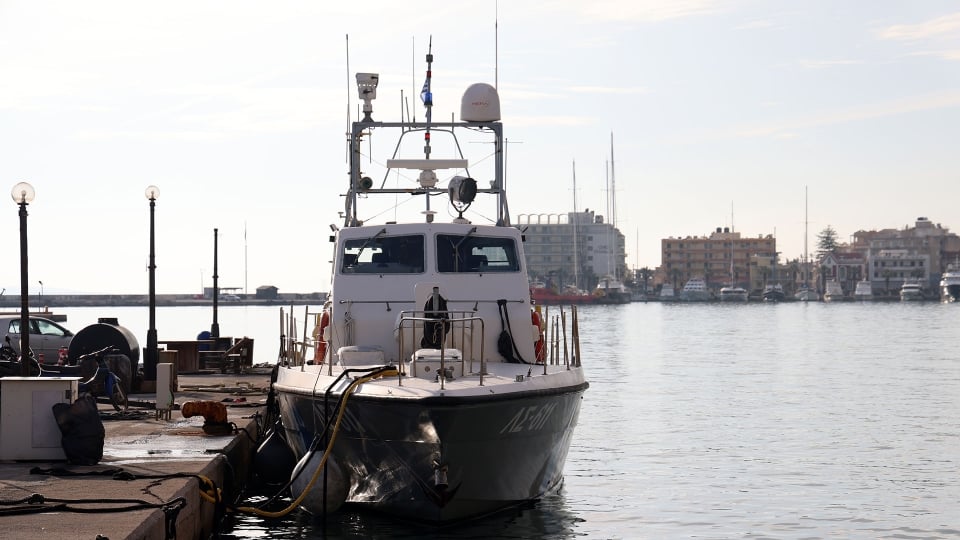
Greek authorities have ordered divers to raise a migrant boat from the seabed following a deadly Chios shipwreck that claimed 15 lives earlier this month. The decision to recover the vessel comes as part of an ongoing investigation into the fatal collision between the migrant boat and a coast guard patrol vessel off the eastern Aegean Sea island on February 3.
The Chios prosecutor heading the investigation approved the request from lawyers representing a Moroccan man charged with steering the migrant boat. The defendant faces allegations of causing the collision that resulted in the deaths of 15 migrants, charges which he has denied. His legal team has challenged the coast guard’s version of events surrounding the tragedy.
According to the coast guard, the incident involved an inflatable speedboat approximately 8 meters in length carrying about 39 people, including men, women and children. The vessel sank roughly 1.5 nautical miles off Chios’ eastern coast while approaching from Turkish waters. All passengers were Afghan nationals except for the Moroccan man now facing charges.
Conflicting Accounts of the Chios Shipwreck Emerge
The coast guard maintains that the migrant vessel deliberately changed course and rammed the patrol boat after being detected. Officials claim they repeatedly signaled the smaller craft to stop using lights and a foghorn before the collision occurred in darkness.
However, survivors have disputed this narrative entirely. They deny that any warning signals were given and reject claims that their boat altered its course. Instead, witnesses suggest the coast guard vessel struck their boat, essentially running over it.
Health officials examining the victims reported that most died from severe head and upper body injuries. The nature of these injuries has become a focal point in the dispute over what actually transpired during the fatal encounter.
Missing Camera Evidence Complicates Investigation
A critical piece of evidence that could have clarified the circumstances surrounding the collision remains unavailable. The coast guard patrol vessel was equipped with a camera that was switched off at the time of the incident, leaving investigators without video documentation of the events.
The absence of camera footage has intensified scrutiny of the case. Additionally, the decision to raise the sunken migrant boat reflects the prosecution’s recognition that physical evidence will be essential to determining the truth amid contradictory testimonies.
The center-right Greek government has publicly supported the coast guard’s account of the incident. Nevertheless, officials have committed to conducting an impartial investigation into the deadly collision. Meanwhile, Greece’s Ombudsman has independently called for a thorough and unbiased probe into the circumstances that led to the migrants’ deaths.
Recovery Operation to Provide Physical Evidence
The upcoming salvage operation represents a significant development in the investigation. Forensic examination of the raised vessel could potentially reveal impact patterns, damage locations and other physical evidence that may corroborate or contradict either version of events.
In contrast to witness testimony, which can be subjective and disputed, the physical condition of both vessels involved could provide more objective insights. Investigators will likely analyze collision angles, the extent and location of damage, and other material evidence once the boat is recovered from the seabed.
The case has drawn attention to broader questions about coast guard operations and migrant interdiction procedures in the Aegean Sea. Secondary concerns include transparency in such incidents and the protocols for evidence collection when confrontations occur at sea.
Authorities have not announced a specific timeline for the salvage operation or indicated when the investigation might conclude. The prosecution will likely need to complete forensic analysis of the recovered vessel before determining whether to proceed with the current charges or modify them based on new evidence.

Follow Live Media News on Google News
Get Live Media News headlines in your feed — and add Live Media News as a preferred source in Google Search.
Stay updated
Follow Live Media News in Google News for faster access to breaking coverage, reporting, and analysis.
- Search any trending topic on Google (for example: Greece news).
- On the results page, find the Top stories section.
- Tap Preferred sources and select Live Media News.