


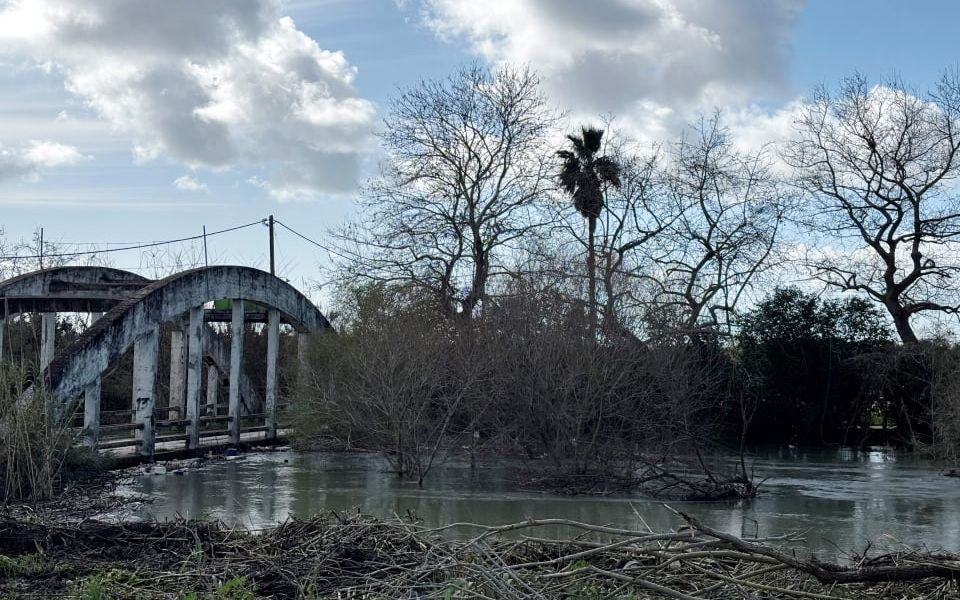
Western Greece is facing severe infrastructure damage and evacuations as heavy rainfall continues to batter the region, marking the third consecutive wave of storms to strike areas already waterlogged from previous downpours. The persistent weather conditions have triggered landslides, road subsidence, and flooding across multiple locations, according to local reports. Greek authorities have been forced to evacuate settlements and close roads as the ground becomes increasingly unstable under the relentless precipitation.
Two settlements located on the foothills of Mount Taygetos, the highest mountain range in the Peloponnese region, were evacuated after ground subsidence caused significant damage to buildings and road infrastructure. The village of Machalas in Messinia has emerged as one of the worst-hit locations, experiencing particularly severe impacts from the ongoing storms.
Landslides and Road Damage Across Western Greece
The island of Corfu has reported widespread landslides and road subsidence affecting multiple sections of its road network. These incidents have complicated transportation and raised safety concerns for residents and travelers alike. Meanwhile, the Agnanta area near Arta has experienced similar ground instability issues as the saturated soil gives way under continued rainfall.
In Preveza, flooding was reported in the town of Louros after a local river burst its banks, inundating nearby farmland and threatening agricultural operations. The overflow has caused concerns about crop damage and the displacement of farming communities in the affected areas. Additionally, emergency services have been working to assess the full extent of the water damage in the region.
Villages Cut Off by Storm Damage
The village of Mazaraki in Ilia has been completely isolated after a major landslide blocked approximately 700 meters of roadway. This has left residents without direct access to neighboring communities and emergency services. However, authorities have not confirmed when the road will be cleared or restored to safe operating conditions.
The cumulative impact of three consecutive storm waves has overwhelmed the region’s capacity to manage water runoff and soil stability. The earlier storms had already saturated the ground, leaving little ability for the soil to absorb additional rainfall. In contrast to typical seasonal precipitation, this extended period of heavy rain has created conditions conducive to widespread geological failures.
Heavy Rainfall Strains Infrastructure Throughout Greece
The persistent heavy rainfall in western Greece highlights the vulnerability of infrastructure in mountainous and coastal regions to extreme weather events. Local authorities are coordinating evacuation efforts and road closures to minimize risks to public safety. The concentration of incidents in western areas reflects both the intensity of the current weather system and the accumulated effects of prior storms.
Emergency response teams have been deployed across affected areas to monitor conditions and assist displaced residents. The ground subsidence phenomena reported in multiple locations indicate that the threat extends beyond immediate flooding to longer-term structural concerns. Furthermore, the geographical diversity of incidents—from islands to mountain villages—demonstrates the widespread nature of the current weather emergency.
Meteorological services have not yet confirmed when the current weather pattern will subside or whether additional storm systems are expected in the coming days. Authorities continue to monitor ground conditions in evacuated areas to determine when residents may safely return to their homes, though no specific timeline has been announced for the restoration of damaged infrastructure or the reopening of blocked roads.

Follow Live Media News on Google News
Get Live Media News headlines in your feed — and add Live Media News as a preferred source in Google Search.
Stay updated
Follow Live Media News in Google News for faster access to breaking coverage, reporting, and analysis.
- Search any trending topic on Google (for example: Greece news).
- On the results page, find the Top stories section.
- Tap Preferred sources and select Live Media News.