


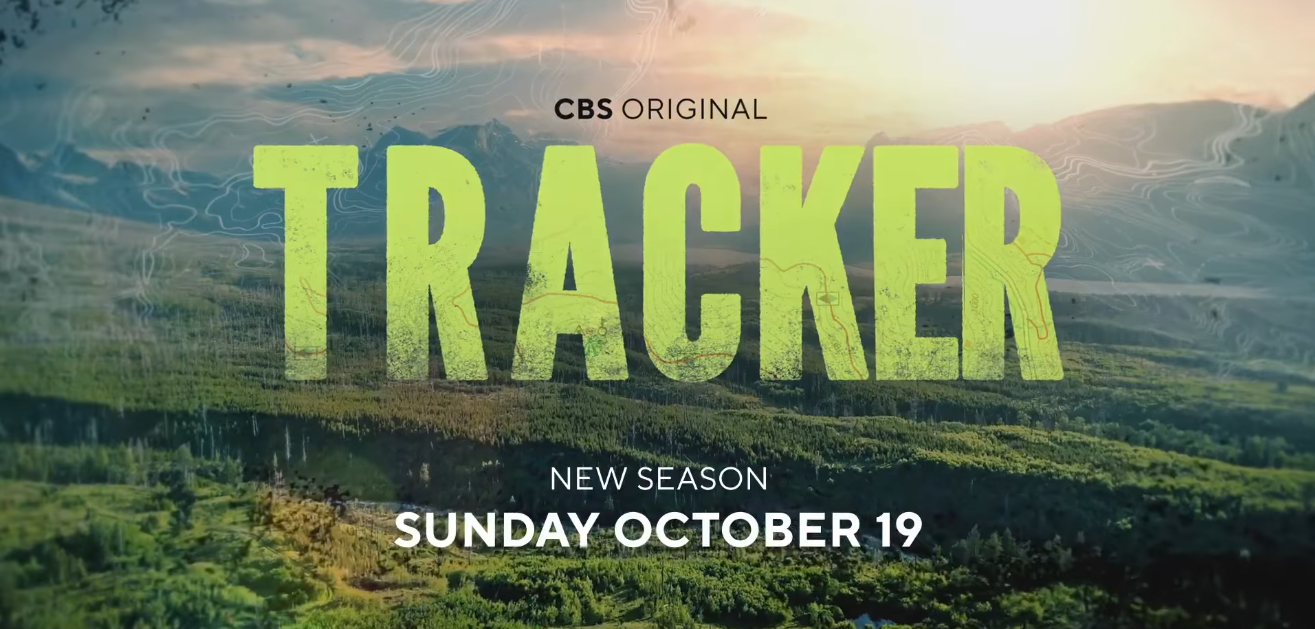
Even as the third season of Tracker progresses, there’s something a little unnerving about how composed Colter Shaw still seems. Dusty highways, peaceful forests, and anonymous motel rooms are familiar landscapes, but the tone feels heavier now, as though the show no longer pretends that its hero can leave unaltered.
This change isn’t made very clear in Season 3. It infiltrates. As it develops, it seems as though the cases are reflections of something unresolved within Colter himself rather than merely puzzles to be solved.
| Category | Details |
|---|---|
| Series Title | Tracker |
| Season | Season 3 |
| Genre | Action Drama |
| Lead Actor | Justin Hartley (Colter Shaw) |
| Based On | The Never Game by Jeffery Deaver |
| Showrunner | Ben H. Winters |
| Production | 20th Television |
| Filming Location | British Columbia, Canada |
| Season 3 Premiere | October 19, 2025 |
| Network | CBS |
| Notable Episode | “Breakaway” (Episode 13, March 22, 2026) |
| Reference | https://www.cbs.com/shows/tracker/ |
It’s difficult to ignore how “Breakaway,” the Detroit episode, depicts that change. A disorganized movie set, a missing stuntman, and a city that seems both vibrant and dilapidated. The crew is moving with a sort of distracted urgency, and the production lot is disorganized with cables running across the concrete. It appears authentic. Too real, almost. The episode is grounded in something gritty compared to previous seasons, and that realism appears to be deliberate.
Hale Ripley, a stuntman who vanishes after voicing concerns about safety, is at its core. It’s a different story on paper. However, the details are uncomfortable. The trailers contain drugs. silent dangers. A producer whose past seems too complicated to be explained. This season, Tracker may be more inclined toward moral ambiguity, allowing its stories to feel unresolved even after the mystery is solved.
That change is evident in Justin Hartley’s performance. He still plays Colter with poise, but there are fleeting, nearly imperceptible moments when his composure falters. A long look was maintained. a pause before speaking. These are not overt gestures. They are more convincing because they seem unintentional. Colter seems to be carrying more than he acknowledges, and Season 3 seems eager to examine that burden.
Quietly, the supporting cast members are also changing. Reenie Greene, who is still calm and astute, feels a little more emotionally invested, as though the lines between work and personal life are beginning to blur. When Randy steps in with his technical expertise, he brings a different energy—one that is less polished and more responsive. It’s difficult to ignore how the team dynamic has changed, becoming less regimented and more spontaneous, when observing their interactions.
Then there’s the family thread, which is constantly present. Even when Russell, Colter’s brother, is not on screen, the tension is always present. It’s still unclear if the show plans to end that relationship or maintain it as a constant source of conflict. However, its impact is ubiquitous, influencing Colter’s approach to every case and decision.
The way the show addresses motivation in Season 3 is what really sticks out. At first presented as a disappearance connected to danger, Hale Ripley’s story gradually reveals something different. debt. a tense bond with his son. silent, unacknowledged sacrifices. The plot is reshaped by these details rather than merely explained. All of a sudden, the case seems more like a portrait of desperation than a mystery.
Colter stands next to an abandoned warehouse by the river at one point in the episode; this is the kind of location that seems forgotten even in daylight. The atmosphere is motionless. It appears that the structure is unstable. It’s difficult to ignore how frequently Tracker situates its characters in these transitional states—half-completed, half-forgotten, and slightly perilous. Even though the show never explicitly states it, it reflects the characters’ emotional states.
Though not in an ostentatious manner, Season 3 also leans more toward action. Hale’s old Dodge Charger is involved in a car chase that feels more chaotic than planned as it kicks up dust in an empty lot. It’s messy, but it’s quick. There’s a feeling that anything could go wrong at any time. And the season as a whole seems to be defined by this unpredictability.
Tracker is occupying an intriguing cultural space. It doesn’t have to and isn’t attempting to reinvent television. Rather, it seems to be a reaction to what viewers are longing for: realistic, character-driven, and slightly unsettling stories. These kinds of shows used to rule network TV, but they are now less common and have been replaced by either lighter procedural formats or high-concept spectacles. Season 3 appears to be more assured of Tracker’s identity, which falls somewhere in the middle.
There are still unanswered questions. Is it possible for the show to keep its darker tone without becoming less appealing? Will Colter’s inner struggles eventually become the main focus, or will they only be hinted at rather than examined? The authors seem to be pushing the envelope without fully committing.
It’s difficult to watch Season 3 without feeling like the show is evolving in ways that aren’t fully apparent just yet. They have sharper cases. The stakes seem more intimate. Additionally, there seems to be more weight attached to the brief silences that occur between moments. Something is changing. Silently, but clearly.

Follow Live Media News on Google News
Get Live Media News headlines in your feed — and add Live Media News as a preferred source in Google Search.
Stay updated
Follow Live Media News in Google News for faster access to breaking coverage, reporting, and analysis.
- Search any trending topic on Google (for example: Greece news).
- On the results page, find the Top stories section.
- Tap Preferred sources and select Live Media News.