


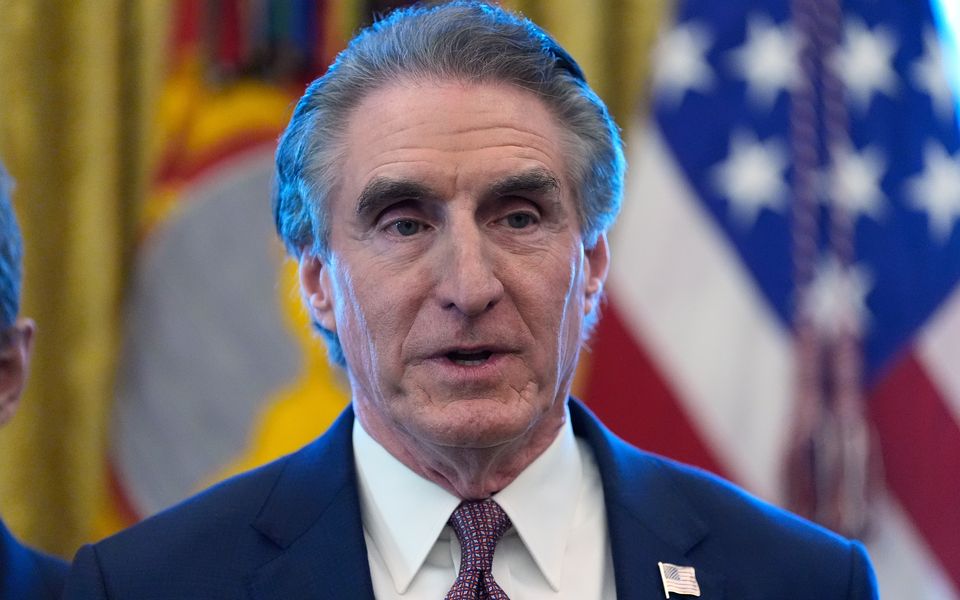
US Secretary of the Interior Doug Burgum publicly endorsed a major natural gas exploration agreement in Greece, celebrating the finalization of exclusive lease contracts signed by a Chevron-led consortium. The Greece natural gas exploration deal, announced Monday, covers four deep-sea blocks south of the Peloponnese peninsula and Crete, spanning approximately 47,000 square kilometers. Burgum, who also serves as head of the US National Energy Dominance Council, took to social media Tuesday to highlight the agreement’s significance for transatlantic energy cooperation.
According to Burgum’s statement on X, the deal represents the culmination of diplomatic efforts that included two trips to Greece in the previous year. The Secretary praised the agreement for promoting “reliable and affordable energy that supports our shared security and prosperity,” while emphasizing its potential to create American jobs and strengthen Europe’s energy independence.
Chevron Leads International Consortium in Greece Natural Gas Exploration
The consortium, led by US oil major Chevron and partnering with Helleniq Energy, Greece’s largest oil refiner, secured the exploration rights after winning an international tender last year. The agreement grants exclusive rights to search for natural gas deposits in strategically important waters south of Greece. The exploration area encompasses deep-sea territory that energy experts believe may hold significant hydrocarbon reserves.
However, the project still requires parliamentary approval before operations can commence. Greek lawmakers must ratify the lease contracts before the consortium can begin seismic research activities, which are tentatively scheduled for later this year, according to government sources.
Timeline and Exploration Parameters
Greek authorities have outlined a measured timeline for the Greece natural gas exploration initiative. The consortium will have up to five years to identify and assess potential recoverable deposits in the designated blocks. Additionally, officials indicated that any test drilling operations are not expected to begin before 2030-2032, reflecting the extensive preparatory work required for deep-sea exploration.
The extended timeline underscores the technical complexities involved in offshore energy exploration at significant depths. Meanwhile, the phased approach allows for comprehensive environmental assessments and regulatory compliance before advancing to extraction stages.
Strengthening Energy Security Through Bilateral Partnership
Secretary Burgum characterized the agreement as a “historic” development that reflects strong bilateral ties between the United States and Greece. In his statement, he emphasized that “energy addition is key to economic and national security,” highlighting the strategic importance of diversifying Europe’s energy sources. The Secretary specifically congratulated US Ambassador Kimberly Guilfoyle, Greek Prime Minister Kyriakos Mitsotakis, Energy Minister Stavros Papastavrou, and the companies involved.
In contrast to previous decades when Greece had limited offshore energy exploration, the country has recently accelerated efforts to develop its hydrocarbon potential. This shift comes amid broader European efforts to reduce dependence on energy imports and enhance supply security following recent geopolitical disruptions.
Economic and Geopolitical Implications
The natural gas exploration project carries significant implications for regional energy markets and transatlantic economic relations. Energy analysts suggest that successful discoveries could position Greece as a potential energy hub in the Eastern Mediterranean. Furthermore, American involvement through Chevron strengthens US commercial presence in the region while supporting allied nations’ energy objectives.
The initiative also aligns with broader US policy goals of promoting energy partnerships with European allies. However, environmental groups have not yet issued comprehensive assessments of the project’s potential ecological impact on Mediterranean marine ecosystems.
Parliamentary debate and voting on the lease contracts are expected in the coming weeks, though Greek authorities have not confirmed a specific legislative timeline. The approval process will determine whether seismic research can proceed as planned later this year, setting the stage for what could become a transformative energy project for Greece and the wider region.

Follow Live Media News on Google News
Get Live Media News headlines in your feed — and add Live Media News as a preferred source in Google Search.
Stay updated
Follow Live Media News in Google News for faster access to breaking coverage, reporting, and analysis.
- Search any trending topic on Google (for example: Greece news).
- On the results page, find the Top stories section.
- Tap Preferred sources and select Live Media News.