


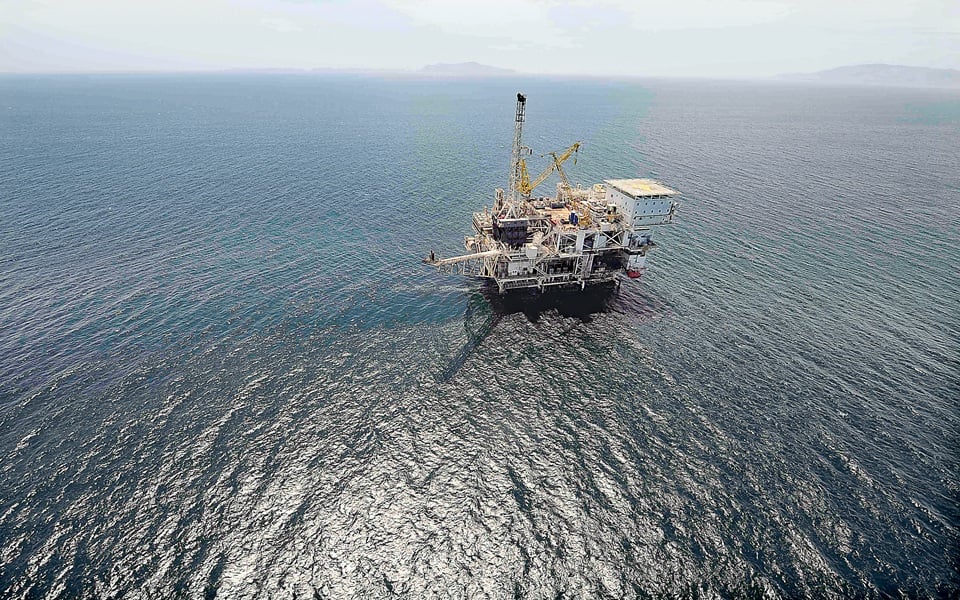
Greece is poised to solidify its position as a strategic US energy partner with the signing of major hydrocarbon exploration lease contracts on Monday. The Chevron and Helleniq Energy joint venture will formalize agreements for four marine areas off Peloponnese and Crete at the Acropolis Museum, according to reports. The ceremony, scheduled for noon, marks a significant milestone in Greece’s expanding role in regional energy infrastructure.
The joint venture was named preferred investor for these blocks in October, following a competitive tender process. The maritime concessions include South Peloponnese, A2, South Crete I, and South Crete II, covering extensive underwater territories in the eastern Mediterranean.
Strategic Energy Hub Development
The selection of the Acropolis Museum as the signing venue underscores the geostrategic importance of the agreement. Greek officials view the location choice as symbolic of Athens’ growing centrality in the energy architecture that Washington is establishing across Europe and the Eastern Mediterranean. The ceremony elevates the commercial transaction to a statement of geopolitical alignment.
Additionally, Greece now hosts the two largest US oil companies in its hydrocarbon sector, with both ExxonMobil and Chevron holding significant exploration rights. This dual presence reflects American confidence in Greece’s energy potential and strategic value. The country’s participation in natural gas flow reengineering through the Vertical Corridor further enhances its position as a critical energy transit point.
Investment Commitments and Timeline
According to Kathimerini, the minimum guaranteed costs for the first exploration phase exceed €20 million. This initial phase will focus on two-dimensional seismic surveys to map potential hydrocarbon deposits beneath the seabed. The surveys represent the foundational step in determining the commercial viability of these offshore blocks.
The second phase, involving three-dimensional data collection, carries costs of approximately €24 million. However, the most substantial financial commitment comes in the third phase, where drilling operations are projected to require €100 million in investment. These phased expenditures demonstrate the long-term commitment required for offshore hydrocarbon exploration.
Meanwhile, seismic surveys are scheduled to commence in late 2025. Chevron will charter a specialized survey vessel capable of covering an extensive area of 47,000 square kilometers across the four concession blocks. The scale of this survey operation reflects both the size of the exploration area and the technological sophistication required for deepwater assessment.
Greece’s Role in US Energy Strategy
The agreements position Greece as a pivotal player in American energy security objectives for Europe. Washington has prioritized diversifying European energy sources away from Russian dependence, particularly following geopolitical tensions. Greece’s geographic location and maritime infrastructure make it an ideal partner for facilitating alternative energy supplies to southeastern Europe.
In contrast to its historical role as primarily an energy consumer, Greece is transforming into a production and transit hub. The country’s involvement in liquefied natural gas infrastructure and potential hydrocarbon production creates multiple pathways for energy diversification. This transformation aligns with broader NATO and EU energy security goals.
Furthermore, the presence of major American energy companies brings technical expertise and capital that Greece’s domestic industry requires. Helleniq Energy’s partnership with Chevron allows the Greek company to participate in sophisticated offshore operations while sharing financial risks. The collaboration model may serve as a template for future energy sector development in the region.
The timing of the agreement also coincides with renewed interest in eastern Mediterranean gas resources. Discoveries off Cyprus, Israel, and Egypt have demonstrated the region’s hydrocarbon potential, though commercial development has faced various challenges including territorial disputes and infrastructure limitations.
The actual commencement of seismic surveys later this year will provide the first concrete data on whether these Greek offshore blocks contain commercially viable hydrocarbon reserves. Results from the initial survey work are expected to determine whether Chevron and Helleniq Energy proceed to the more expensive drilling phase.

Follow Live Media News on Google News
Get Live Media News headlines in your feed — and add Live Media News as a preferred source in Google Search.
Stay updated
Follow Live Media News in Google News for faster access to breaking coverage, reporting, and analysis.
- Search any trending topic on Google (for example: Greece news).
- On the results page, find the Top stories section.
- Tap Preferred sources and select Live Media News.