


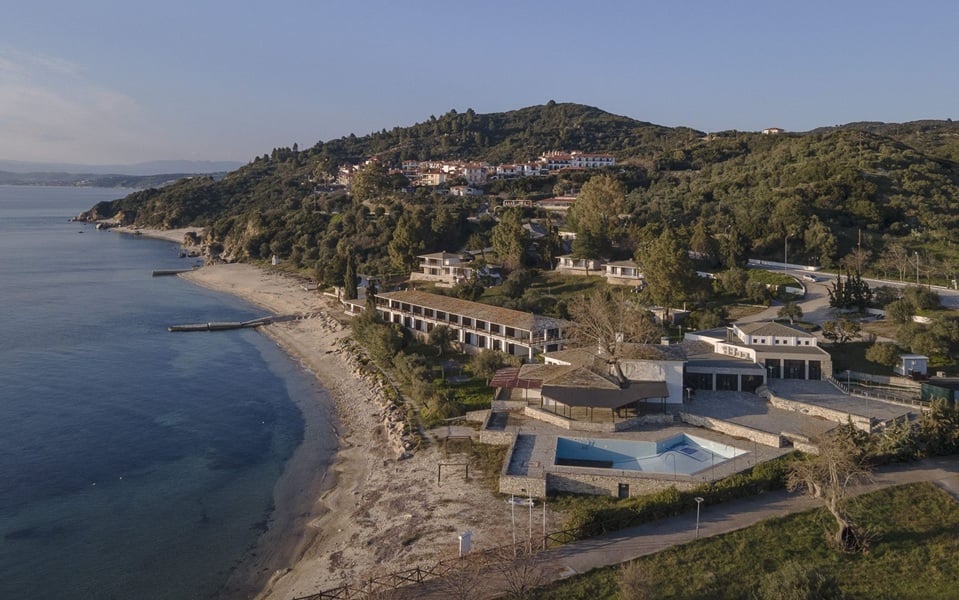
Greece is moving forward with plans to revitalize its historic Xenia hotel properties through long-term lease agreements, transforming abandoned state-owned assets into operational venues. The Public Properties Company (ETAD) has completed the concession agreement for Xenia Ouranoupoli and is now preparing tenders for additional properties, including the next target of Xenia Vytina. These iconic hotels, built during the mid-20th century in prime locations across Greece, represent a significant opportunity for state asset utilization and private investment.
According to sources familiar with the initiative, ETAD is currently preparing the tender for Xenia Vytina, a currently abandoned building situated in an excellent location within the area. The property joins a growing portfolio of Xenia hotels being returned to productive use after years of dormancy. Finance Minister Kyriakos Pierrakakis has emphasized asset utilization as a priority since taking office, focusing on attracting investments and generating new wealth from underperforming state properties.
Current Status of Xenia Hotel Portfolio
The state’s Xenia hotel utilization program has already achieved substantial progress across multiple properties. ETAD currently manages a portfolio that includes hotels at various stages of the concession process. Of the properties under management, 10 Xenia hotels have already been successfully leased to private operators, including locations in Arachova, Kastoria, Ancient Olympia, Nafplio, Cape Sounio, Lagonisi, Edessa, Serres, Portaria and Chios.
Additionally, seven more properties are in the advanced stages of contract finalization. These include Ouranoupoli, Kastania, Andros, Iraklio, Platamonas, Tsangarada and Xanthi. The completion of these agreements will significantly expand the number of operational Xenia properties available to tourists and visitors throughout Greece.
Remaining Properties Available for Development
Beyond Vytina, eight additional Xenia hotels remain available for utilization under the government’s asset development program. These properties are located in Kozani, Kalentzi, Thassos, Drama, Komotini, Epidaurus and Delphi. Each site offers potential investors access to established infrastructure in strategically important tourism destinations across the country.
The Xenia brand carries historical significance in Greek tourism, representing a network of state-built hotels designed to promote travel and accommodate visitors during Greece’s tourism development era. However, many properties fell into disrepair as state resources diminished and maintenance became challenging. The current initiative aims to restore these assets to their former prominence while generating revenue for the state.
Investment Strategy and Economic Impact
The long-term lease model allows private investors to renovate and operate the properties while the state retains ownership of the valuable real estate. This approach has become increasingly popular for governments seeking to maximize returns from public assets without permanent divestment. Meanwhile, successful concessions can create employment opportunities and boost local economies in the regions where these hotels operate.
Finance Minister Pierrakakis’s emphasis on dormant asset utilization reflects broader government efforts to improve fiscal performance and attract foreign investment. The Xenia properties represent just one component of a larger strategy to monetize underperforming state holdings. In contrast to outright sales, the concession model preserves state ownership while enabling private sector expertise and capital to revitalize the properties.
The timeline for completing the remaining Xenia hotel concessions has not been officially announced, though the preparation of the Vytina tender suggests momentum in the program. Authorities continue evaluating expressions of interest for the available properties as they work to finalize agreements for those already in advanced negotiation stages.

Follow Live Media News on Google News
Get Live Media News headlines in your feed — and add Live Media News as a preferred source in Google Search.
Stay updated
Follow Live Media News in Google News for faster access to breaking coverage, reporting, and analysis.
- Search any trending topic on Google (for example: Greece news).
- On the results page, find the Top stories section.
- Tap Preferred sources and select Live Media News.