


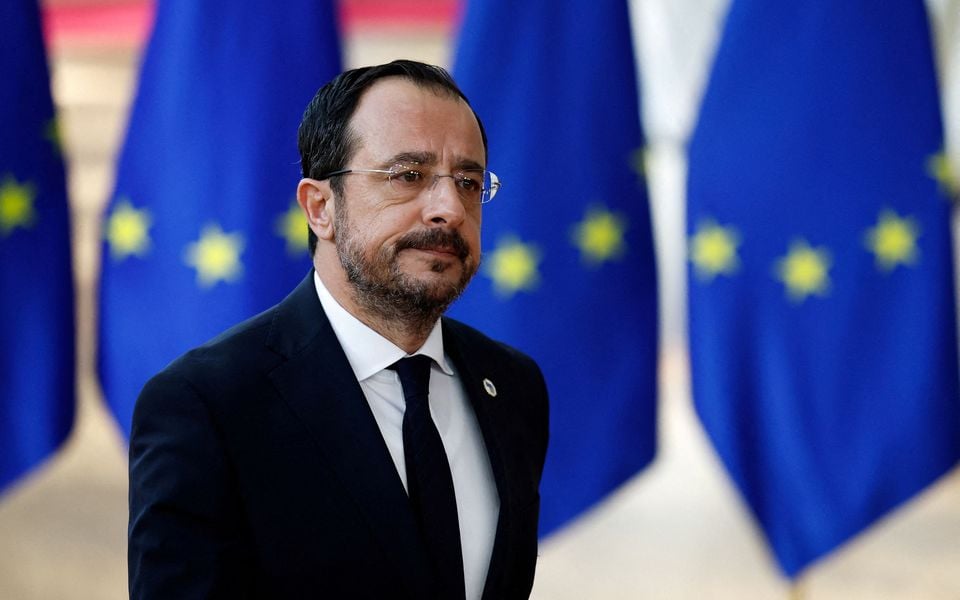
Cyprus has reported strong economic performance for the final quarter of 2025, with GDP growth reaching 4.5%, the second highest rate in the European Union. President Nikos Christodoulides praised the Cyprus economic growth figures, attributing the success to responsible government policies that have created conditions for improved public services and citizen welfare.
According to the Statistical Service of Cyprus, the fourth quarter GDP growth rate significantly exceeded the European average. President Christodoulides commented on the announcement through social media, emphasizing that the results represent a vote of confidence in the island nation’s economic management.
Government Response to Cyprus Economic Growth
The president stated that the upward trajectory of the economy enables the government to invest in critical areas affecting daily life. These priority sectors include healthcare, education, social welfare programs, and housing policy initiatives, according to his official statement.
Finance Minister Makis Keravnos provided additional context for the positive economic indicators. He noted that the October-December figures demonstrate continued momentum despite challenging conditions in the international economic environment.
Inflation Reaches Historic Lows
Additionally, the finance minister highlighted that inflation has reached zero levels, a development he described as crucial for economic stability. This low inflation environment strengthens purchasing power for Cypriot citizens and helps stabilize prices across goods and services markets.
The combination of strong GDP growth and minimal inflation presents a favorable economic picture for the Republic of Cyprus. However, authorities acknowledge that external factors continue to pose potential challenges to sustained growth.
Economic Policy and Investment Strategy
President Christodoulides emphasized that the Cyprus economic growth results stem directly from deliberate policy choices made by his administration. The government has focused on creating an environment conducive to both domestic investment and foreign economic activity.
Meanwhile, the steady economic performance provides fiscal space for expanded public investment. The government has indicated priorities in social sectors that directly impact quality of life for residents across the island.
In contrast to some European Union member states experiencing slower growth or economic contraction, Cyprus has positioned itself among the bloc’s top performers. The 4.5% growth rate places the country well above typical EU economic expansion rates for the same period.
Regional Economic Context
The strong performance comes amid broader uncertainty in global markets and geopolitical tensions affecting the Eastern Mediterranean region. Despite these headwinds, Cypriot economic indicators have remained resilient, according to government officials.
The finance ministry’s assessment points to structural factors supporting continued economic momentum. These include diversification efforts across various economic sectors and ongoing reforms designed to enhance competitiveness.
Furthermore, the low inflation environment provides particular benefits for household budgets and business planning. Stable prices reduce uncertainty and support both consumer spending and business investment decisions.
The government has not yet released detailed breakdowns of which economic sectors contributed most significantly to the fourth quarter growth. Additional analysis from the Statistical Service of Cyprus is expected to provide more granular data on the drivers behind the strong performance.
Authorities have not announced specific timelines for additional economic policy measures or indicated whether the current growth trajectory is expected to continue at similar rates into 2026. Future economic projections will likely depend on evolving international conditions and domestic policy implementation.

Follow Live Media News on Google News
Get Live Media News headlines in your feed — and add Live Media News as a preferred source in Google Search.
Stay updated
Follow Live Media News in Google News for faster access to breaking coverage, reporting, and analysis.
- Search any trending topic on Google (for example: Greece news).
- On the results page, find the Top stories section.
- Tap Preferred sources and select Live Media News.