


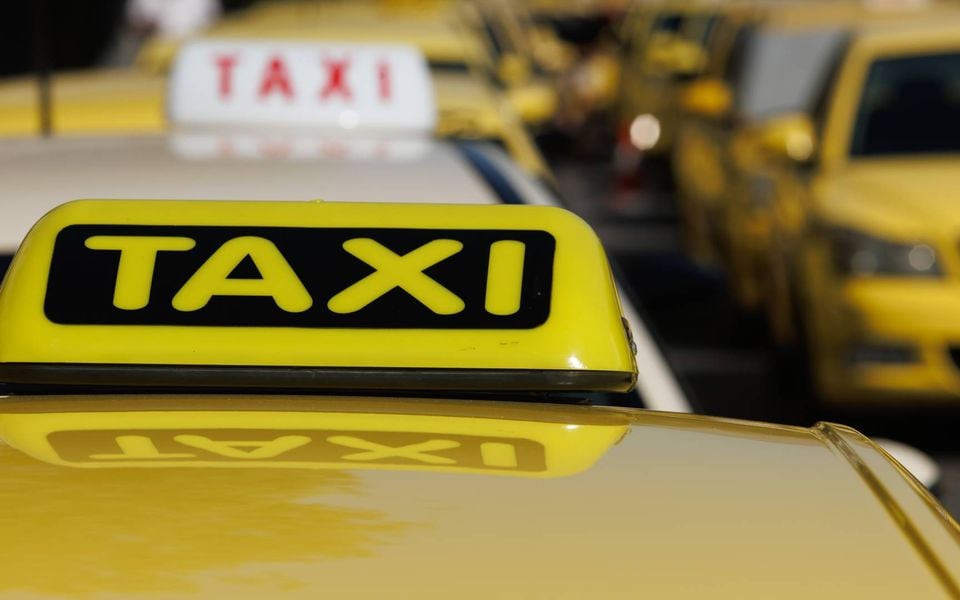
Athens taxi drivers initiated a three-day strike on Tuesday, while Greece’s nationwide taxi federation announced an additional 48-hour work stoppage for Wednesday and Thursday. The coordinated labor actions aim to protest pending legislation that would fundamentally transform the taxi industry in Greece’s largest cities through mandated vehicle electrification and market liberalization measures.
The controversial bill, currently under public consultation and having received more than 800 comments, would require all new taxi registrations in Athens and Thessaloniki to be zero-emission vehicles starting in January 2026. Additionally, the legislation would allow private hire vehicles with drivers to operate, a provision that taxi operators strongly oppose.
Taxi Drivers Oppose Electric Vehicle Mandate
Taxi drivers have expressed strong opposition to what they characterize as a forced transition to electric vehicles. Paris Orfanos, secretary of the taxi drivers’ union, emphasized that operators have already invested significantly in new fleets and achieved emissions reductions through conventional means.
The primary concern centers on Athens’ inadequate charging infrastructure to support a widespread shift to electric taxis. According to drivers, only 31 fast charging stations currently exist throughout the Greek capital, a number they consider grossly insufficient to meet the demands of a fleet operating around the clock.
Infrastructure Challenges and Timeline Concerns
The January 2026 implementation deadline has intensified concerns among taxi operators about the feasibility of the transition. Industry representatives argue that the government has not provided adequate time or infrastructure development to support such a fundamental change in vehicle requirements.
Meanwhile, approximately 270 taxi owners face immediate vehicle replacement requirements under current regulations this year. However, the proposed legislation includes provisions for temporary exemptions, though the specific terms and duration of these exemptions remain subject to finalization.
Private Hire Vehicles Spark Additional Controversy
In addition to the electric vehicle mandate, the bill’s provisions regarding private hire vehicles with drivers have emerged as a critical sticking point. Taxi operators describe this market liberalization as crossing a “red line” that would undermine their industry by essentially equating unlicensed operators with licensed taxi services.
This aspect of the legislation reflects broader debates occurring in cities worldwide about ride-sharing services and traditional taxi operations. Greek taxi drivers contend that allowing private hire vehicles would create unfair competition without the regulatory requirements and overhead costs they must bear.
Public Consultation Process Continues
The substantial number of public comments submitted during the consultation period demonstrates the significant interest and concern surrounding the proposed changes. The more than 800 submissions suggest widespread engagement from industry stakeholders, environmental advocates, and potentially affected workers.
Additionally, the consultation process provides an opportunity for taxi operators to formally document their objections and propose alternative approaches to reducing emissions in the transportation sector. Environmental groups may simultaneously be advocating for maintaining or strengthening the zero-emission vehicle requirements.
Authorities have not yet announced a final vote date on the legislation or indicated whether modifications will be made in response to the public consultation feedback and ongoing strike actions. The resolution of this dispute will likely depend on negotiations between government officials, taxi federations, and other stakeholders in the coming weeks.

Follow Live Media News on Google News
Get Live Media News headlines in your feed — and add Live Media News as a preferred source in Google Search.
Stay updated
Follow Live Media News in Google News for faster access to breaking coverage, reporting, and analysis.
- Search any trending topic on Google (for example: Greece news).
- On the results page, find the Top stories section.
- Tap Preferred sources and select Live Media News.