


Greece is launching a sweeping response to water scarcity with an infrastructure program valued at approximately €10 billion through 2040, marking one of the largest public works initiatives in the nation’s recent history. The first phase, estimated at €3.5 billion, is already underway and focuses primarily on the Athens metropolitan area, where authorities have declared a state of emergency to expedite critical water infrastructure projects. Government officials say the program reflects a shift in how water scarcity is perceived, moving from a seasonal concern to a fundamental infrastructure challenge requiring comprehensive intervention.
At the center of the initiative is EYDAP, the Athens water and sewerage utility, which is preparing approximately €2.5 billion in projects over the next decade. According to official statements, these works will concentrate on upgrading internal water supply networks to reduce leakage, developing wastewater treatment centers in eastern Attica, installing recycling and reuse units for irrigation purposes, and introducing digital water meters across residential and commercial properties.
Major Water Infrastructure Projects Taking Shape
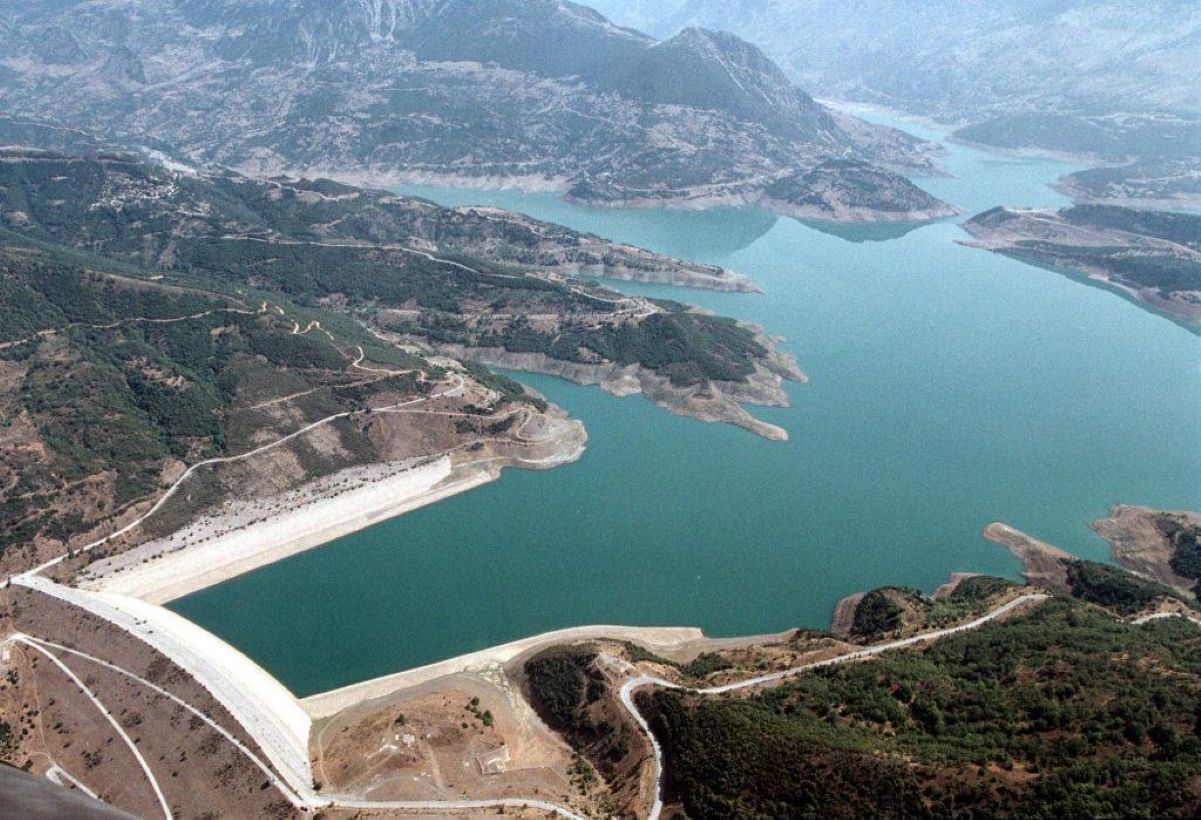
The Greek state plans to allocate an additional €1 billion for large-scale works directly tied to addressing drought conditions. Among the most significant is the “Eurytos” project, budgeted at €535 million and expected to be tendered in late 2026. Officials have indicated they may employ accelerated procurement procedures similar to those used for emergency reconstruction following Storm Daniel, potentially through closed invitations for expressions of interest.
Projects are being matured and prepared for tender through a special project preparation unit operating under the Growthfund, Greece’s sovereign wealth fund. Meanwhile, EYDAP has outlined contingency plans should delays occur, including locating desalination plants for seawater or brackish water at an estimated cost of roughly €500 million, along with additional boreholes near the Mornos canal, a major water supply artery for Athens.
Legislative Reforms to Expand Utility Reach
The Ministry of Environment and Energy is preparing comprehensive water management legislation expected to be submitted to Parliament in the second quarter of 2026, though sources suggest the timetable may shift slightly. The proposed bill would significantly expand the operational scope of Greece’s two main water utilities beyond their current boundaries.
Under the plan, EYDAP would absorb local water supply and irrigation providers across Attica, Boeotia, Fokida and Evia. Similarly, EYATH, the Thessaloniki-based utility, would expand into Thessaloniki and Halkidiki in northern Greece. Both companies would gain authority to establish irrigation subsidiaries allowing private investor participation with minority stakes, while the utilities would maintain at least 51% ownership.
By absorbing smaller regional providers, both utilities would expand their regulated asset base, a move analysts believe could increase their market valuations and attract greater investor interest. According to sources familiar with recent international roadshows, interest in EYDAP shares has already been expressed among institutional investors.
Construction Groups Position for Water Scarcity Contracts
The substantial scale of upcoming contracts has prompted major construction and infrastructure groups to position themselves strategically. AKTOR recently announced an exclusive cooperation memorandum with SUEZ INTERNATIONAL, a global leader in water works and management. Sources with knowledge of the agreement indicate the partnership is targeting projects focused on reducing water losses, expanding recycling systems, constructing dams and reservoirs, and potentially participating in irrigation management under the expanded utility framework.
Other prominent Greek construction groups are also preparing to compete for the new generation of water infrastructure projects. These include GEK TERNA, AVAX and METKA, all of which have signaled growing interest in infrastructure tied to climate resilience and sustainability objectives.
The legislative proposal is expected to advance through Parliament later this year, though the exact timetable remains subject to adjustment. Major project tenders, including the Eurytos initiative, are anticipated to move forward in late 2026, with award decisions likely extending into 2027.

Follow Live Media News on Google News
Get Live Media News headlines in your feed — and add Live Media News as a preferred source in Google Search.
Stay updated
Follow Live Media News in Google News for faster access to breaking coverage, reporting, and analysis.
- Search any trending topic on Google (for example: Greece news).
- On the results page, find the Top stories section.
- Tap Preferred sources and select Live Media News.