


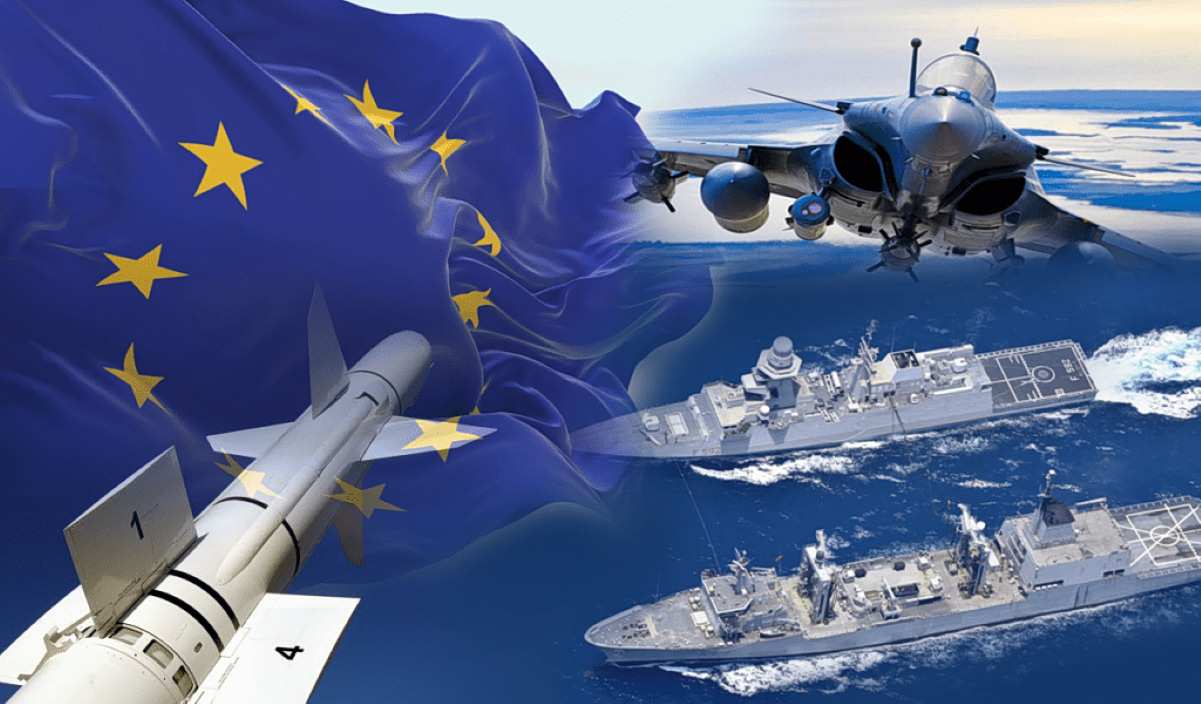
Sixteen of nineteen national defense investment plans submitted by European Union member states have received final approval, unlocking access to initial funding under the bloc’s Security Action for Europe program. The European Commission’s SAFE initiative aims to bolster continental defense capabilities amid growing security concerns, with approved plans now totaling over 110 billion euros in committed investments.
On Tuesday, February 17, EU finance ministers greenlit the national defense plans of eight additional member states, releasing 74 billion euros in funding. The approved proposals came from Estonia, Greece, Italy, Latvia, Lithuania, Poland, Slovakia, and Finland, according to Euronews.
Poland Leads European Defense Investment Plans
Poland emerged as the program’s most ambitious participant, requesting more than 43 billion euros on its own. This substantial figure represents roughly half of the 150 billion euros available through SAFE and underscores Warsaw’s commitment to military modernization.
The final ministerial approval enables participating countries to sign loan agreements with the European Commission and receive advance payments. These pre-financing disbursements may reach up to 15 percent of each member state’s total requested funding, providing immediate resources for defense procurement initiatives.
Earlier Approvals and Pending Applications
The February decision followed an earlier approval round that covered projects worth 38 billion euros from Belgium, Bulgaria, Denmark, Spain, Croatia, Cyprus, Portugal, and Romania. Additionally, three member states—the Czech Republic, France, and Hungary—are still awaiting Commission clearance before their proposals advance to final ministerial approval.
In total, nineteen member states have applied for SAFE funding since the program launched. The initiative represents a central pillar of the EU’s broader “Readiness 2030” plan, which aims to mobilize up to 800 billion euros for defense spending by the end of the decade.
Strategic Objectives Behind SAFE Program
The Security Action for Europe program seeks to strengthen the continent’s strategic autonomy while accelerating joint procurement of critical military capabilities. Priority areas include ammunition, missiles, drones, air defense systems, and cybersecurity technologies, according to the European Commission.
However, the program includes specific requirements designed to boost Europe’s defense industrial base. Most funded equipment must be European-made, with non-European components limited to 35 percent of total costs. This provision aims to reduce dependence on foreign suppliers and stimulate domestic manufacturing capacity.
Financial Structure and Implementation
SAFE offers favorable financing conditions particularly beneficial for member states with lower credit ratings. Meanwhile, subsequent funding installments beyond the initial pre-financing payments will depend on regular progress reports and implementation milestones submitted to EU authorities.
The program’s structure ensures accountability while providing flexibility for participating nations to address their specific defense priorities. Nevertheless, member states must demonstrate measurable progress to unlock additional tranches of approved funding.
Broader Context of European Defense Cooperation
The SAFE initiative emerges against a backdrop of heightened security concerns across Europe. In contrast to previous decades of declining defense budgets, EU member states are now prioritizing military modernization and capability development.
Greece’s participation in the program aligns with its ongoing efforts to strengthen defense ties with partners such as France. The country has been actively pursuing military upgrades including naval vessel acquisitions and air defense enhancements.
The remaining three national defense plans from the Czech Republic, France, and Hungary are expected to receive European Commission evaluation in the coming weeks. Once cleared, these proposals will proceed to EU finance ministers for final approval, potentially adding billions more to the program’s total committed funding.

Follow Live Media News on Google News
Get Live Media News headlines in your feed — and add Live Media News as a preferred source in Google Search.
Stay updated
Follow Live Media News in Google News for faster access to breaking coverage, reporting, and analysis.
- Search any trending topic on Google (for example: Greece news).
- On the results page, find the Top stories section.
- Tap Preferred sources and select Live Media News.