


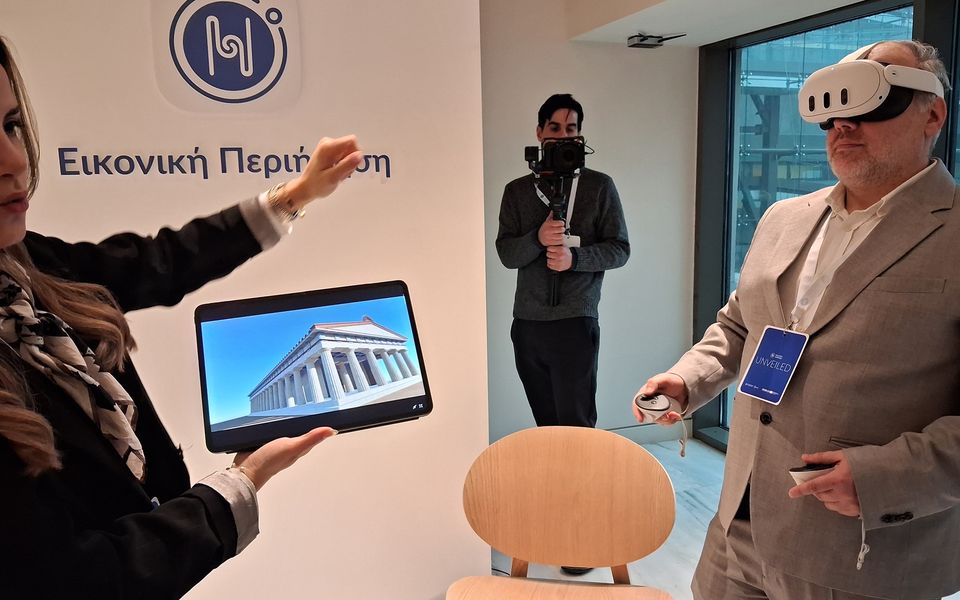
Greece is launching a comprehensive digital transformation of its cultural sector with the introduction of Hellenic Heritage, an electronic ticketing system that will expand coverage from 30 to 108 archaeological sites and museums. The new platform, set to debut in April, was recently unveiled by the Culture Ministry’s Organization of Cultural Resources Management and Development in the presence of Prime Minister Kyriakos Mitsotakis and will eventually serve over 350 monuments and museums nationwide.
The initiative centers on the hh.gr platform, which will serve as the official gateway to Greece’s cultural heritage. According to ministry officials, the electronic ticketing system will feature time-slot booking capabilities to manage visitor flow more effectively at popular destinations.
Digital Innovation Enhances Archaeological Site Access
The Hellenic Heritage platform introduces several innovative features designed to modernize the visitor experience. A new Hellenic Heritage Pass will allow tourists to access multiple sites and museums through a single purchase, with passes organized by theme, region, or group categories. Additionally, specialized services have been developed for school excursions and professional tour operators.
Accessibility represents a key priority in the new system. The platform integrates the “Eumaios” database, which tracks accessibility conditions at monuments and archaeological sites across the country. During the booking process, persons with disabilities will be able to request specific accommodations including elevators, lift platforms, or wheelchairs.
Augmented Reality and Digital Tours Expand Cultural Offerings
Beyond traditional ticketing services, the electronic ticketing system will incorporate cutting-edge technology at major landmarks. Augmented and virtual reality applications will be implemented at prominent sites including the Ancient Agora, Cape Sounio, the Rotunda in Thessaloniki, Ancient Olympia, Delos, and the Asclepeion of Kos.
Furthermore, digital tours will be available for 40 sites and museums in eight languages, including International Sign. This multilingual approach aims to make Greek cultural heritage more accessible to international visitors and those with hearing impairments.
Membership Programs and Exclusive Experiences
The Hellenic Heritage Members card will offer free registration with complimentary access to less-frequented archaeological sites and various discounts. Meanwhile, the Hellenic Heritage Experience program will facilitate private tours at select locations. According to reports, the exclusive tour program currently operates at the Acropolis and the Museum of Modern Greek Culture, with potential expansion to the Palace of the Grand Master of the Knights of Rhodes and the Temple of Aphaia in Aegina.
The platform will also feature a digital cultural magazine offering travel recommendations and specialized tools for tourism professionals. According to Angeliki Maragaki, production director of the Cultural Resources Management and Development Organization, the Acropolis alone recorded more than 3 million ticket sales in 2025, underscoring the critical importance of efficient digital infrastructure.
Government Support and Investment
Prime Minister Kyriakos Mitsotakis described Hellenic Heritage as the “central portal for national culture” during the presentation. He emphasized that with Greece possessing unique cultural treasures, the application must achieve global caliber and position itself as a leader among international counterparts.
Culture Minister Lina Mendoni stated that Hellenic Heritage “serves the ‘experience economy’ and the creation of a powerful, distinct identity.” Nikoletta Valakou, president of ODAP, stressed that the initiative “signals a new era for Greece’s cultural heritage.” The project receives backing from a budget exceeding 27 million euros.
The full rollout of the Hellenic Heritage platform and its expanded electronic ticketing system is scheduled for April, though specific launch dates for individual features have not been confirmed by authorities. The success of the implementation will depend on seamless integration across hundreds of sites and effective management of the high visitor volumes at Greece’s most popular cultural destinations.

Follow Live Media News on Google News
Get Live Media News headlines in your feed — and add Live Media News as a preferred source in Google Search.
Stay updated
Follow Live Media News in Google News for faster access to breaking coverage, reporting, and analysis.
- Search any trending topic on Google (for example: Greece news).
- On the results page, find the Top stories section.
- Tap Preferred sources and select Live Media News.