


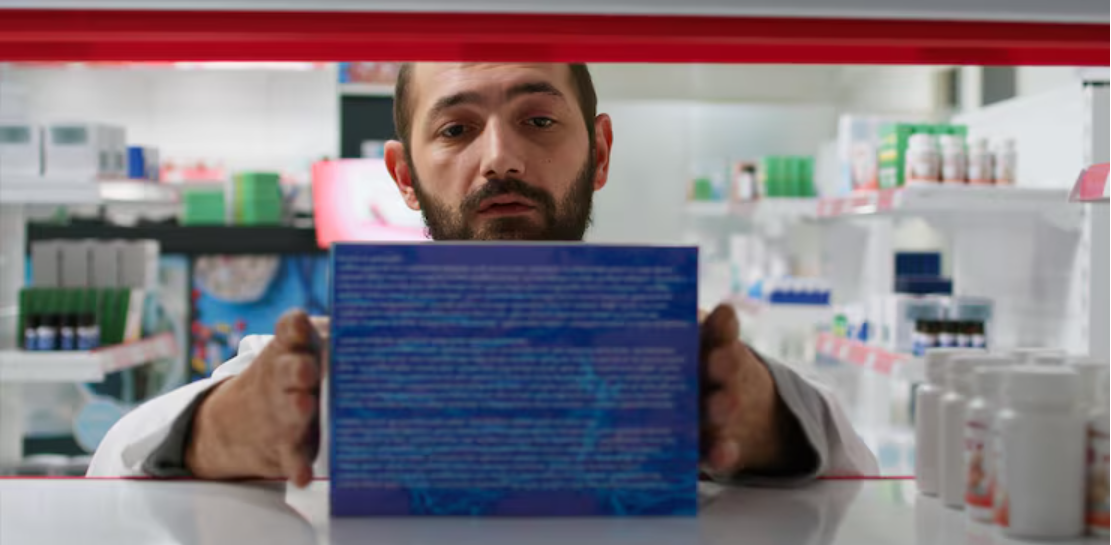
A Walgreens store in a suburban area of Illinois late on a weekday afternoon appears largely unchanged from twenty years ago. Above aisles filled with toothpaste and cough syrup, fluorescent lights hum softly. A small line forms close to the pickup window as a pharmacist works behind a glass counter, scanning prescriptions. Nothing about this seems revolutionary at first glance. However, there appears to be a quiet but important development going on behind the scenes.
The century-old pharmacy chain Walgreens, which was formerly primarily known for its local pharmacies, is making an exceptionally rapid push into telehealth and weight-loss medications. Investors seem cautiously interested. Meanwhile, consumers are still learning what it means when a pharmacy starts acting more like a startup in the field of digital health.
| Category | Details |
|---|---|
| Company | Walgreens Boots Alliance |
| Founded | 1901 |
| Headquarters | Deerfield, Illinois, United States |
| Industry | Pharmacy, Healthcare Services, Retail |
| CEO | Tim Wentworth |
| Key Strategic Focus | Telehealth services, weight-loss medication access, digital healthcare |
| Major Products | Prescription drugs, healthcare services, retail pharmacy goods |
| Market Presence | Over 8,000 stores across the United States |
| Key Competitors | CVS Health, Amazon Pharmacy, Walmart Health |
| Official Website | https://www.walgreensbootsalliance.com |
Walgreens seems to think that the conventional pharmacy model—rows of pill bottles and retail shelves—might not be sufficient anymore.
The business had to deal with an uncomfortable reality for years. Pharmacy foot traffic has been declining. Prescription drugs were delivered by online merchants. In the meantime, insurance reimbursement rates reduced profits in ways that pharmacists gripe about in private behind the counter. Executives at Walgreens appear to have come to the conclusion that survival calls for more than just filling prescriptions more quickly. They may be experimenting with telehealth as a solution.
The concept seems simple: prescriptions can be issued almost instantly after patients consult doctors remotely, frequently via an app or online portal. However, the change is subtle when you walk into a Walgreens today. Digital consultations are now mentioned on posters next to the pharmacy counter. QR codes can be found next to health displays. a subtle indication that the company wants consumers to view Walgreens as a healthcare entry point rather than just a store.
Executives may be examining the outcomes of other retail behemoths that failed to make technological advancements. I think of Blockbuster. Sears does as well. There are many businesses in retail history that appeared to be permanent until they abruptly stopped being.
Simultaneously, Walgreens is being drawn into uncharted territory by the surge of weight-loss medications.
The demand for drugs like GLP-1 treatments, which were first created to treat diabetes, has skyrocketed. Patients express both excitement and incredulity when discussing them. Aware that enthusiasm might be outpacing long-term data, doctors discuss them cautiously. And all of a sudden, pharmacies are in the midst of a cultural shift regarding the treatment of obesity.
Recently, while standing close to the pharmacy shelves in a Chicago Walgreens, one could hear two customers having a quick discussion about these drugs. They weren’t talking softly. Previously only discussed in diet books and late-night infomercials, weight loss is now considered a common medical topic. Walgreens seems committed to seizing that opportunity.
The business has started incorporating telehealth consultations, which link patients with doctors who can assess their eligibility for drugs that help them lose weight. Theoretically, a patient could go from virtual consultation to picking up their prescription quite quickly. Observing this process begs the obvious question: is Walgreens evolving from a retailer to a healthcare platform? It appears that investors are considering that option.
Walgreens has not been exempt from the difficulties faced by pharmacy chains in recent years. The business is under pressure due to store closures, declining margins, and increased competition. In that regard, telehealth and the treatment of obesity might seem more like necessity than innovation. The larger cultural context must also be taken into account.
The healthcare industry is evolving. Convenience is what patients want more and more—appointments made via apps, prescription drugs delivered right to their door, and late-night health advice on smartphones. In certain respects, Walgreens is merely reacting to preexisting behavior. However, the strategy remains uncertain.
The cost of weight-loss medications is high, insurance coverage varies greatly, and long-term demand is still unpredictable. Some analysts suspect that the current enthusiasm may cool if supply constraints persist or side-effects become more widely discussed. On the other hand, some think that as doctors become more at ease prescribing these drugs, the market for them may grow significantly.
It’s difficult to ignore how rapidly the discourse has changed when observing the industry. Pharmacies used to compete primarily on price and convenience ten years ago. These days, they are racing into digital health ecosystems, data platforms, and telemedicine. Walgreens is joining that race a little later than some of its rivals, but maybe with more urgency.
Executives in Deerfield corporate offices are probably looking at data that most consumers never see, such as declining prescription margins, rising healthcare costs, and changing consumer behavior. These spreadsheets most likely convey a clear message: the traditional pharmacy model is struggling. Thus, Walgreens is trying new things.
consultations via telehealth. programs for losing weight. tools for digital patient engagement. By themselves, none of these strategies ensure success. However, taken as a whole, they point to a business attempting to reshape its position in the healthcare sector before the sector passes it.
There’s a subtle tension in the air as we watch this happen. The local Walgreens still has a subtle shampoo and antiseptic odor. The pharmacy counter has not changed in appearance. However, behind that comfortable environment, the business model might be evolving in ways that consumers are hardly aware of.
And it’s still very much up in the air whether this pivot succeeds or just postpones a more significant reckoning.

Follow Live Media News on Google News
Get Live Media News headlines in your feed — and add Live Media News as a preferred source in Google Search.
Stay updated
Follow Live Media News in Google News for faster access to breaking coverage, reporting, and analysis.
- Search any trending topic on Google (for example: Greece news).
- On the results page, find the Top stories section.
- Tap Preferred sources and select Live Media News.