


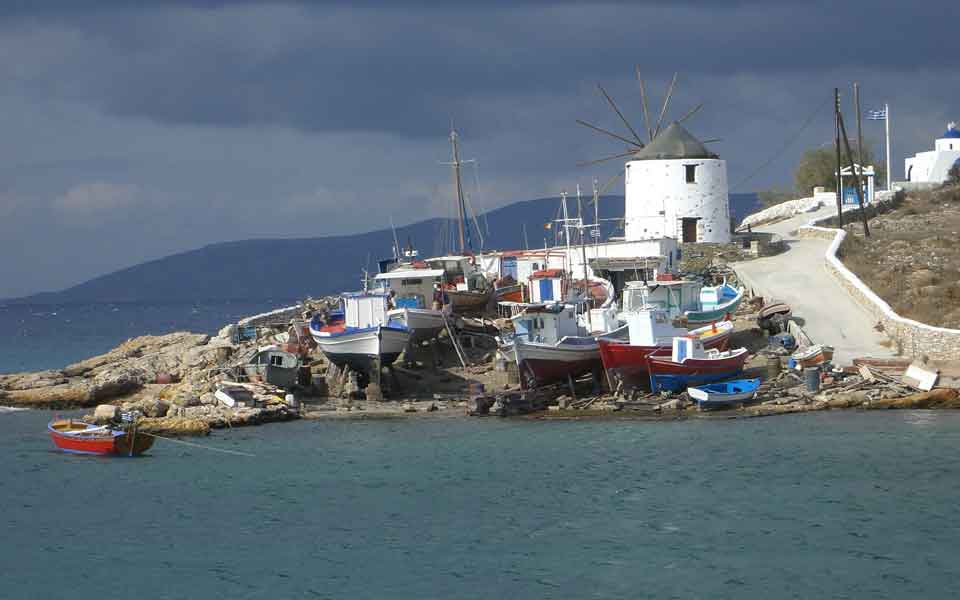
Greece’s Finance Ministry has abandoned plans to lease two popular beaches on the small Cycladic island of Ano Koufonissi, preserving free public access to the island’s main coastal areas. The decision reverses an earlier proposal to grant commercial development rights for Pori and Italida beaches, which would have introduced paid sun loungers and umbrellas to spaces currently enjoyed freely by visitors and residents alike.
The ministry halted the leasing process following vocal opposition from local government officials responsible for Koufonissi and nearby islands including Iraklia, Schinoussa and Donoussa. According to reports, the entire island near Naxos forms part of the European Natura 2000 network, designating it as an environmentally protected zone under EU conservation regulations.
Commercial Beach Development Plans Meet Local Resistance
The initial proposal sought to lease 500 square meters on each of the two beaches to a private developer. The application reportedly included plans to establish beach bars alongside the lounger and umbrella facilities, though Environment Ministry officials had objected specifically to the bar component while approving the broader beach concession concept.
However, the plans alarmed Naxos municipal authorities, who oversee administrative matters for Koufonissi despite lacking formal authority to block Finance Ministry decisions regarding beach leases. The controversy highlights ongoing tensions between central government revenue initiatives and local concerns about preserving community character and environmental integrity.
Over-Tourism Pressures on Small Greek Islands
Ano Koufonissi represents a broader pattern affecting previously quiet Greek destinations that have experienced dramatic visitor increases in recent years. The island, once relatively unknown to international tourists, has faced growing pressures from over-tourism that threaten both its natural environment and the quality of life for permanent residents.
The Greek government has actively pursued beach concession programs as revenue-generating measures, granting private operators rights to develop coastal areas across the country. These initiatives have frequently sparked controversy among communities that value traditional free beach access, a longstanding feature of Greek coastal culture.
Environmental Protections Clash With Beach Lease Programs
The Natura 2000 designation covering Koufonissi adds another layer of complexity to commercial development proposals. This European network aims to protect biodiversity and habitat across member states, imposing restrictions on activities that might harm protected ecosystems.
Additionally, the beach leasing controversy reflects wider debates about balancing tourism revenue with sustainable development in Greece’s island communities. While commercial beach operations generate tax income and employment opportunities, critics argue they privatize public resources and fundamentally alter the character of traditional destinations.
Meanwhile, local authorities continue to advocate for greater decision-making power over beach access and coastal development within their jurisdictions. The current system grants the Finance Ministry primary authority over beach concessions, leaving municipal governments with limited influence despite their proximity to affected communities and intimate knowledge of local conditions.
Preserving Free Beach Access
In contrast to many Mediterranean destinations where beach clubs and paid facilities dominate prime coastal areas, Greece has historically maintained extensive free public beach access. The reversal of the Koufonissi beach lease plans signals potential government responsiveness to concerns about eroding this tradition, particularly in environmentally sensitive locations.
The Finance Ministry’s decision to scrap the Koufonissi beach development represents a rare instance where local opposition successfully influenced central government beach policy. Whether this signals a broader policy shift or remains an isolated case specific to the island’s protected status remains unclear, as authorities have not announced any systematic changes to the national beach concession program.

Follow Live Media News on Google News
Get Live Media News headlines in your feed — and add Live Media News as a preferred source in Google Search.
Stay updated
Follow Live Media News in Google News for faster access to breaking coverage, reporting, and analysis.
- Search any trending topic on Google (for example: Greece news).
- On the results page, find the Top stories section.
- Tap Preferred sources and select Live Media News.