


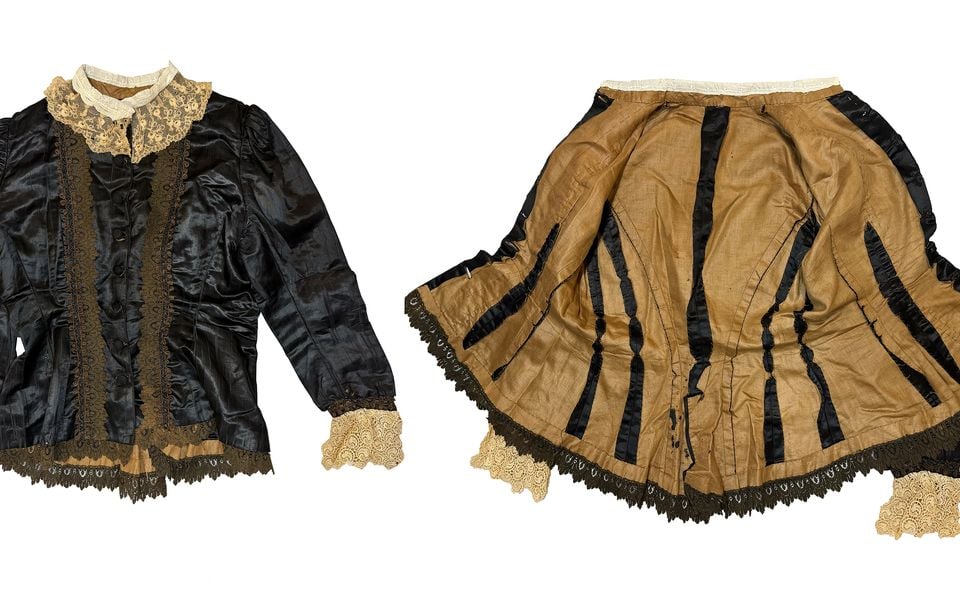
The Greek island of Naxos is set to showcase how traditional weaving heritage can illuminate modern cultural preservation through an innovative art exhibition and discussion. On February 14, the “Rewoven – Memory is Woven Again” exhibition will open at the 1st High School of Naxos, featuring seven contemporary artists who draw inspiration from a 133-year-old bridal jacket to explore the art of weaving in Naxos.
The exhibition centers on a family heirloom from 1893, according to organizers, with artists Evgenia Vereli, Chrysanthi Koumianaki, Mariandrie, Maria Foka, Malvina Panagiotidi, Elektra Stamboulou and curator Sevastiana Konstaki creating works using paper, fabric, plaster, clay, metal, video and perfumes. The event will also feature a panel discussion on preserving tradition through modern design and promoting craftsmanship.
Cultural Heritage Meets Contemporary Design
The initiative represents a creative response to concerns about development pressures on the Cycladic islands. As rapid development threatens the vulnerable landscape, ecosystem and local communities, this project demonstrates how cultural traditions can guide sustainable futures. Notably, the effort is organized entirely by a group of accomplished women working to preserve Naxian identity.
According to reports, journalist and cultural curator Efi Falida will moderate the February 14 discussion. Panelists include Phoebe Giannisi, architect and professor at the University of Thessaly; Victoria Kalantzopoulou, president of the Association for the Education of Young Women; Xenia Politou, curator at the Benaki Museum’s Department of Modern Greek Culture; and Maria Polykreti, president of the cultural organization “Polykriti.”
Preserving Traditional Weaving Through Modern Art
The concept originated with Polykreti, a cultural ambassador for Naxos who founded the “An Evening Under the Olive Tree” festival. This annual autumn festival takes place at the medieval Kambones estate near Melanes, featuring centuries-old olive trees and a 16th-century farmhouse. The property, which Polykreti’s great-grandfather purchased from Venetian Duke Michel Sanudo at the end of the 19th century, was visited by chef Anthony Bourdain during filming for his show “Parts Unknown.”
Additionally, the festival includes tastings, musical performances and educational programs primarily targeting local residents. By scheduling events off-season, organizers ensure the focus remains on community engagement rather than tourism. The weaving exhibition represents an expansion of Polykreti’s cultural institution beyond its original scope.
Weaving as Cultural Identity
Traditional weavers on the island held that “threads unite,” referring not only to the physical intertwining of fibers but also to the way weaving brings communities together. Naxos has maintained strong cultural traditions partly due to its thriving agricultural sector and stable year-round population. Furthermore, recent discoveries by Dr Demetrios Athanasoulis, director of the Ephorate of Antiquities of Cyclades, suggest the island’s past may reshape understanding of medieval painting history.
However, the exhibition addresses broader questions about maintaining Naxian cultural identity in contemporary times. Through the art of weaving in Naxos, the project explores how handwork traditions can be preserved, disseminated and celebrated. The contemporary artistic interpretations aim to create new narratives while honoring traditional techniques.
Future of Traditional Crafts in Modern Context
In contrast to purely historical preservation, the “Rewoven” exhibition reframes traditional weaving methods through modern artistic practices. The seven participating artists transform the historical bridal jacket into inspiration for contemporary works across multiple media. This approach demonstrates how ancient crafts can remain relevant and inspire new creative expressions.
Meanwhile, the discussion component will examine practical strategies for sustaining traditional craftsmanship in an era of rapid change. The panel brings together expertise in architecture, education, museum curation and local cultural leadership. Their diverse perspectives will address both theoretical and practical aspects of heritage preservation through design innovation.
The exhibition is scheduled to open on February 14 at the 1st High School of Naxos, with the panel discussion taking place the same day. Organizers have not announced a closing date for the exhibition, though the initiative signals an ongoing commitment to exploring cultural heritage through contemporary artistic practice.

Follow Live Media News on Google News
Get Live Media News headlines in your feed — and add Live Media News as a preferred source in Google Search.
Stay updated
Follow Live Media News in Google News for faster access to breaking coverage, reporting, and analysis.
- Search any trending topic on Google (for example: Greece news).
- On the results page, find the Top stories section.
- Tap Preferred sources and select Live Media News.