


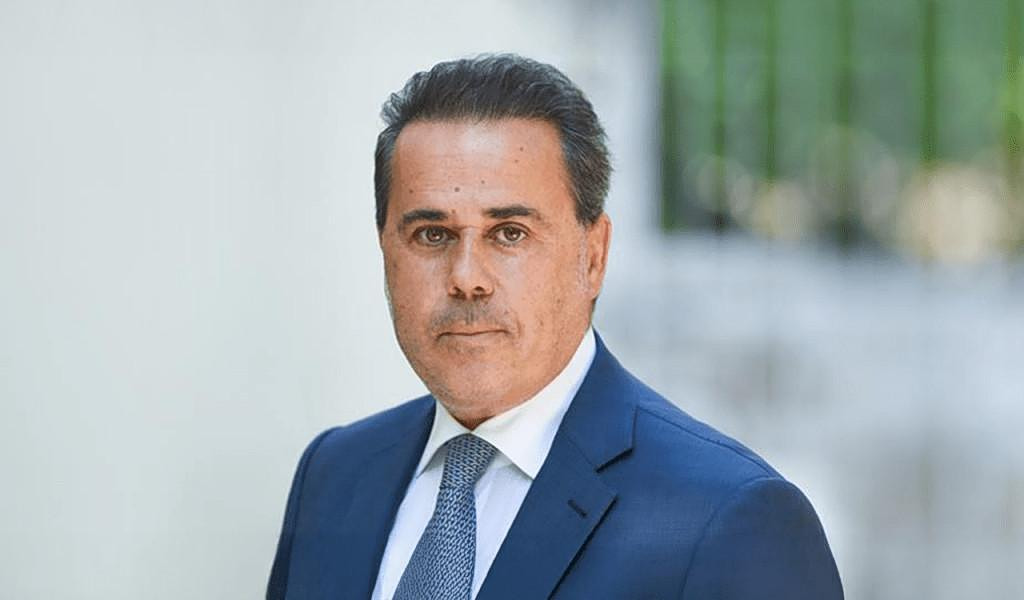
Greece has finalized a landmark offshore hydrocarbon exploration agreement with Chevron and Helleniq Energy to significantly expand natural gas and oil exploration around Crete and the Peloponnese. According to Greek Minister of Environment and Energy Stavros Papastavrou, the strategic deal doubles the country’s exploration area and reinforces Greece’s role in European energy security.
The agreement was signed at the Greek Prime Minister’s office with the Prime Minister in attendance. It expands Greece’s offshore hydrocarbon exploration territory from 48,000 to 96,000 square kilometers, marking a substantial increase in the nation’s energy development footprint.
Strategic Importance of Offshore Hydrocarbon Exploration
Papastavrou emphasized that the partnership with Chevron carries both economic and geopolitical significance. The minister told Live News that bringing one of the world’s largest energy companies to Greece supports the country’s sovereign rights and helps counter regional challenges from neighboring states.
Additionally, the deal is designed to contribute to broader European energy security objectives. Greece aims to position itself as a reliable energy partner and potential production hub for the continent at a time when Europe seeks to diversify its energy sources.
Timeline and Financial Returns
The offshore hydrocarbon exploration agreement encompasses seismic and geological research, evaluation, and eventual production phases. According to ministry statements, this comprehensive process is expected to take at least five years before commercial operations begin.
Commercial production from Greek hydrocarbon deposits is projected to commence between 2027 and 2028. The timeline reflects the complex nature of offshore exploration and the rigorous assessment required before extraction can begin.
However, the financial structure of the deal promises substantial returns for Greece. Papastavrou indicated that at least 40 percent of revenues will flow directly to the Greek government, in addition to returns from the state’s stake through Helleniq Energy.
Environmental Standards and International Collaboration
The project will adhere to strict environmental and operational standards, according to assurances provided by Chevron. Meanwhile, the agreement strengthens Greece’s relationships with major international energy companies beyond Chevron, including ongoing collaboration with ExxonMobil in the region.
In contrast to previous energy projects that faced delays or complications, Papastavrou described this partnership as planned, structured, and executed with calm deliberation. The minister highlighted that the approach ensures both economic benefits and energy security advantages for Greece.
Greece as European Energy Hub
The environment minister stated that Europe continues to need hydrocarbons as part of its energy mix, and Greece can serve as a production hub to meet this demand. This positioning represents a long-term strategic opportunity for the country to play a more prominent role in regional energy markets.
Furthermore, the offshore hydrocarbon exploration deal is viewed as offering both national and European strategic value. Beyond immediate financial gains, the agreement is expected to deliver sustained economic growth and contribute to energy independence across the continent.
The multi-year exploration and assessment phase will now proceed under the partnership framework. Authorities have not confirmed specific timelines for individual project milestones beyond the projected 2027-2028 commercial production start date, with progress dependent on geological findings and regulatory approvals throughout the exploration process.

Follow Live Media News on Google News
Get Live Media News headlines in your feed — and add Live Media News as a preferred source in Google Search.
Stay updated
Follow Live Media News in Google News for faster access to breaking coverage, reporting, and analysis.
- Search any trending topic on Google (for example: Greece news).
- On the results page, find the Top stories section.
- Tap Preferred sources and select Live Media News.