


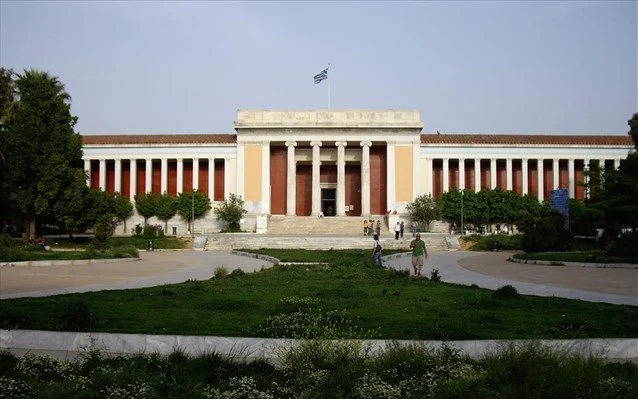
Greece is preparing to return a small collection of confiscated Egyptian antiquities to Cairo, marking another step in international efforts to repatriate cultural artifacts to their countries of origin. The Greek Culture Ministry announced Tuesday that six ancient statuettes currently housed in the National Archaeological Museum in Athens will be handed over to Egyptian officials in the near future. The decision underscores growing cooperation between the two Mediterranean nations on heritage protection and the fight against illicit trafficking of ancient objects.
According to the Culture Ministry statement, the Egyptian antiquities will be transferred to Egyptian authorities in Athens, though officials did not provide specific details about the nature of the artifacts or how they came to be seized in Greece. The ministry described the items as ancient statuettes but did not disclose their age, historical significance, or the circumstances surrounding their confiscation.
Cultural Diplomacy and Egyptian Antiquities
The announcement coincided with a diplomatic visit to Cairo by Greek Culture Minister Lina Mendoni, who held discussions with Egypt’s Minister of Tourism and Antiquities Sherif Fathy. During the meeting, the two officials addressed multiple areas of bilateral cooperation in the cultural heritage sector. The talks focused on sharing expertise in antiquities conservation, planning joint archaeological excavations in both countries, and strengthening measures to combat the illegal trade in cultural artifacts.
Greece and Egypt both face ongoing challenges with the illicit antiquities market, which has long threatened the preservation of their rich archaeological heritage. The return of these statuettes represents a practical example of the commitment both nations have made to recovering and protecting cultural property. Additionally, it reflects a broader international trend toward repatriation of artifacts that were removed from their countries of origin through illegal means.
International Cooperation Against Artifact Trafficking
The collaboration between Greece and Egypt extends beyond simple artifact returns. Both countries possess extensive archaeological sites and museums that attract millions of visitors annually, making heritage conservation a priority for tourism and national identity. However, they also remain targets for looters and smugglers who seek to profit from the illegal antiquities trade.
Meanwhile, international cooperation on cultural heritage protection has intensified in recent years. Countries worldwide have increasingly recognized the importance of returning stolen or illegally exported artifacts to their places of origin. Greece itself has been active in seeking the return of cultural treasures, most notably the Parthenon Marbles currently held by the British Museum in London.
In contrast to some high-profile repatriation disputes that can take decades to resolve, the return of these Egyptian antiquities appears to be proceeding smoothly. The willingness of Greek authorities to return the confiscated items demonstrates a cooperative approach to cultural heritage issues between the two nations. Furthermore, the planned exchange of conservation expertise and joint archaeological projects suggests a long-term partnership that goes beyond individual artifact returns.
Strengthening Mediterranean Heritage Protection
The agreement to return the statuettes also highlights the special relationship between Greece and Egypt as custodians of ancient Mediterranean civilizations. Both countries have developed significant expertise in archaeological research, excavation techniques, and artifact preservation. By sharing knowledge and resources, they can better protect their cultural heritage from threats including looting, environmental damage, and the challenges of mass tourism.
Greek authorities have not yet announced the specific timeline for when the handover will take place, stating only that it will occur “presently.” Egyptian officials have not publicly commented on the return or provided additional information about the significance of the six statuettes. The exact circumstances under which the artifacts were seized in Greece remain unclear, as authorities have not disclosed whether they were intercepted during smuggling attempts or recovered through other means.

Follow Live Media News on Google News
Get Live Media News headlines in your feed — and add Live Media News as a preferred source in Google Search.
Stay updated
Follow Live Media News in Google News for faster access to breaking coverage, reporting, and analysis.
- Search any trending topic on Google (for example: Greece news).
- On the results page, find the Top stories section.
- Tap Preferred sources and select Live Media News.