


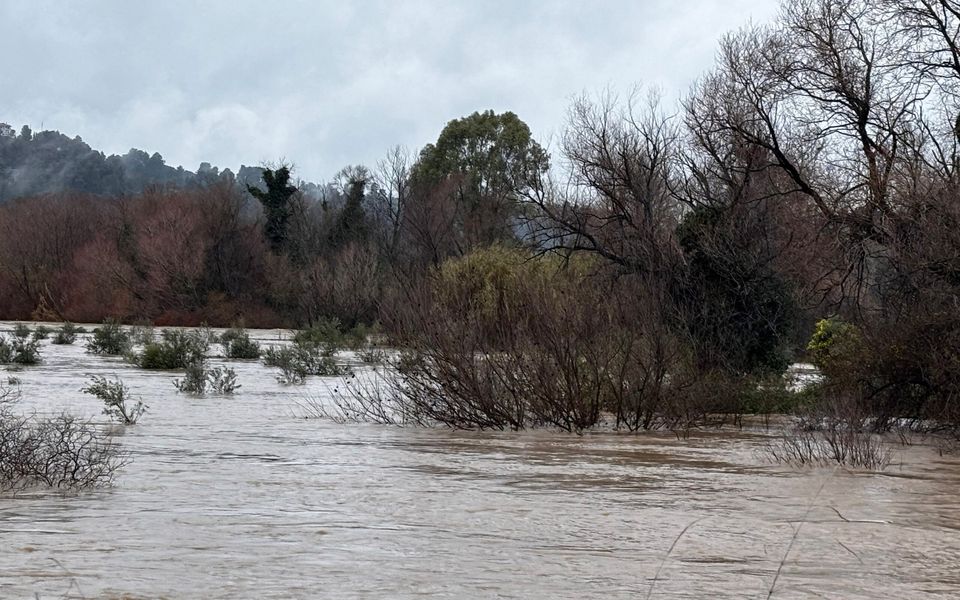
Civil protection authorities in central Greece have issued an urgent warning to residents living near the Acheloos river to avoid the riverbanks due to a planned water release from the Stratos dam. The alert comes as heavy rainfall continues to impact the region, necessitating the controlled discharge of excess water to manage rising reservoir levels.
According to the warning, residents in areas surrounding the Acheloos river near Kastraki received text messages on their mobile phones alerting them to the imminent water release. The messages specifically cautioned people to stay away from the river banks as water levels are expected to rise significantly following the discharge from Stratos dam.
Controlled Water Release from Stratos Dam
The Stratos dam, one of the major hydroelectric facilities on the Acheloos river, is preparing to release overflow in response to recent heavy precipitation in central Greece. Such controlled releases are standard operational procedures designed to prevent potential dam failures and manage water resources effectively during periods of intense rainfall.
Dam operators typically conduct these releases when reservoir capacity approaches critical thresholds. The advance warning system allows authorities to notify communities downstream, providing them with crucial time to take necessary safety precautions.
Safety Measures and Public Response
The text message alert system represents an important component of Greece’s civil protection infrastructure. However, the effectiveness of such warnings depends heavily on public compliance with safety instructions issued by authorities.
Residents have been specifically urged to keep children and pets away from the riverbanks during this period. Additionally, those engaged in agricultural activities near the Acheloos river should secure equipment and livestock that might be affected by rising water levels.
Heavy Rainfall Impacts Central Greece
The planned water release comes amid a period of sustained heavy rainfall affecting central Greece. Meanwhile, meteorological conditions in the region have raised concerns about flooding risks in low-lying areas adjacent to the river system.
The Acheloos river, Greece’s second-longest river, flows through several communities in the central and western parts of the country. In contrast to dry summer months, winter and spring periods often bring increased precipitation that can strain water management infrastructure.
Historical Context of Dam Management
Greek authorities have managed similar situations in previous years when heavy rainfall required controlled water releases from dams across the country. Nevertheless, each incident requires careful coordination between dam operators, civil protection services, and local communities to ensure public safety.
The Stratos dam has been a critical component of Greece’s hydroelectric power generation and flood control systems since its construction. Proper management of water releases remains essential for balancing energy production needs with flood prevention objectives.
Community Preparedness
Local authorities in the Kastraki area and surrounding communities have not confirmed additional evacuation measures at this time. The current focus remains on ensuring residents maintain safe distances from the riverbanks during the water release period.
Emergency services in the region are reportedly on standby to respond to any incidents that may arise from the increased water flow. Additionally, municipal officials continue to monitor weather forecasts and coordinate with dam operators regarding the timing and duration of the water release.
Authorities have not yet announced the specific timing or expected duration of the water release from Stratos dam. Residents in affected areas along the Acheloos river are advised to monitor official communications channels for updates as weather conditions and reservoir levels continue to be assessed.

Follow Live Media News on Google News
Get Live Media News headlines in your feed — and add Live Media News as a preferred source in Google Search.
Stay updated
Follow Live Media News in Google News for faster access to breaking coverage, reporting, and analysis.
- Search any trending topic on Google (for example: Greece news).
- On the results page, find the Top stories section.
- Tap Preferred sources and select Live Media News.