


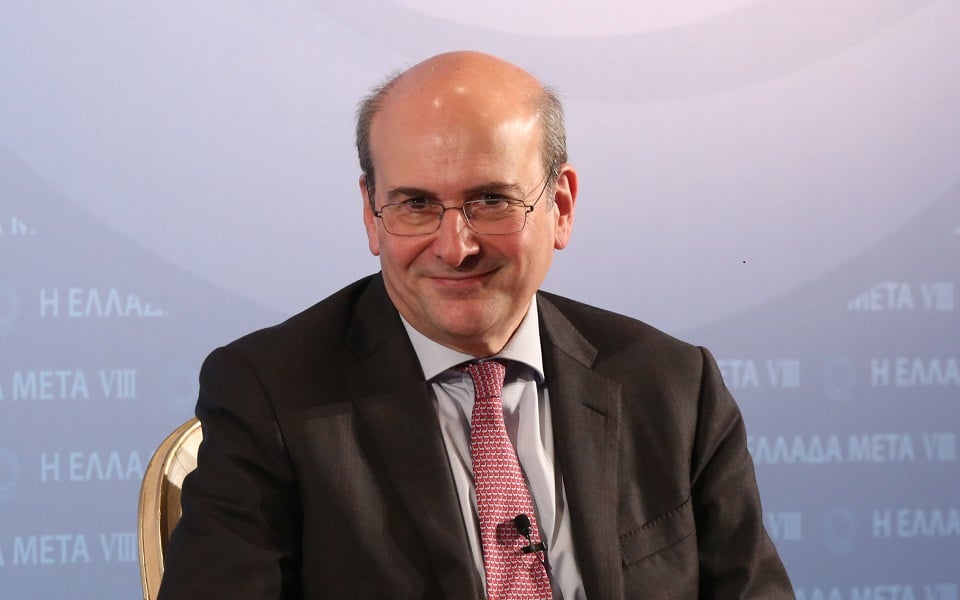
Greece is set to announce a new increase in the minimum wage before Easter in early April, Deputy Prime Minister Kostis Hatzidakis confirmed on Tuesday. The announcement comes as the government continues its efforts to boost income levels while managing budgetary constraints, with the Greece minimum wage increase representing another step in supporting workers amid ongoing economic challenges.
Speaking during an interview on SKAI TV, Hatzidakis outlined the timeline for the upcoming wage adjustment. The new increase will build upon the previous raise that brought the minimum wage from €650 to €880 per month, according to the deputy prime minister.
Greece Minimum Wage Increase Amid Budget Pressures
The current minimum wage level places Greece in 11th position among European Union countries that have established a minimum wage. However, Hatzidakis emphasized that the government faces significant fiscal limitations when implementing further increases.
“We are exhausting the budget margins,” the deputy prime minister noted during the interview. He stressed that the New Democracy government does not claim to have extraordinary solutions for raising incomes, acknowledging that such simple remedies do not exist in economic policy.
Government Economic Strategy Beyond Wage Policy
Additionally, Hatzidakis highlighted that wage increases represent just one component of the government’s broader strategy to improve living standards. He pointed to recent increases in take-home pay resulting from income tax reductions as another mechanism supporting workers.
The government’s approach includes multiple pro-growth policies designed to enhance economic conditions, according to the deputy prime minister. These measures encompass support for healthy entrepreneurship, continued tax cuts, environmental improvements, and both wage and pension increases implemented within feasible fiscal limits.
In contrast to opposition parties, Hatzidakis argued that the current administration pursues realistic policies rather than proposing what he characterized as magic recipes. The government maintains that sustainable economic growth requires balanced policies that account for budgetary realities.
EU Funding and Future Financial Support
Meanwhile, the deputy prime minister addressed concerns about Greece’s financial support from the European Union following the conclusion of the Recovery Fund. He directly challenged assessments suggesting that Greece would face substantially reduced EU support during the next budgetary period from 2028 to 2034.
“The support will be almost the same as currently,” Hatzidakis said, countering speculation about diminished European assistance. This clarification aims to reassure both businesses and citizens that Greece will continue receiving significant backing from Brussels for development initiatives and reforms.
Balancing Wage Growth with Economic Stability
The upcoming minimum wage increase reflects the government’s ongoing effort to balance worker compensation with economic sustainability. Greece has made substantial progress in raising the minimum wage in recent years, though officials acknowledge the challenges of maintaining fiscal discipline while addressing cost-of-living pressures.
However, economists note that minimum wage policy must be calibrated carefully to avoid negative impacts on employment, particularly among small businesses that constitute a significant portion of the Greek economy. The government’s measured approach suggests awareness of these competing priorities.
The exact amount of the April minimum wage increase has not yet been disclosed, with authorities expected to announce specific figures closer to the Easter holiday. The timing and scale of the adjustment will likely depend on consultations with social partners and final budgetary assessments conducted in the coming weeks.

Follow Live Media News on Google News
Get Live Media News headlines in your feed — and add Live Media News as a preferred source in Google Search.
Stay updated
Follow Live Media News in Google News for faster access to breaking coverage, reporting, and analysis.
- Search any trending topic on Google (for example: Greece news).
- On the results page, find the Top stories section.
- Tap Preferred sources and select Live Media News.